

University is no longer a privilege, but the minimum qualification!
Having a degree in the UK no longer means that you have opportunities denied to the bulk of the population.
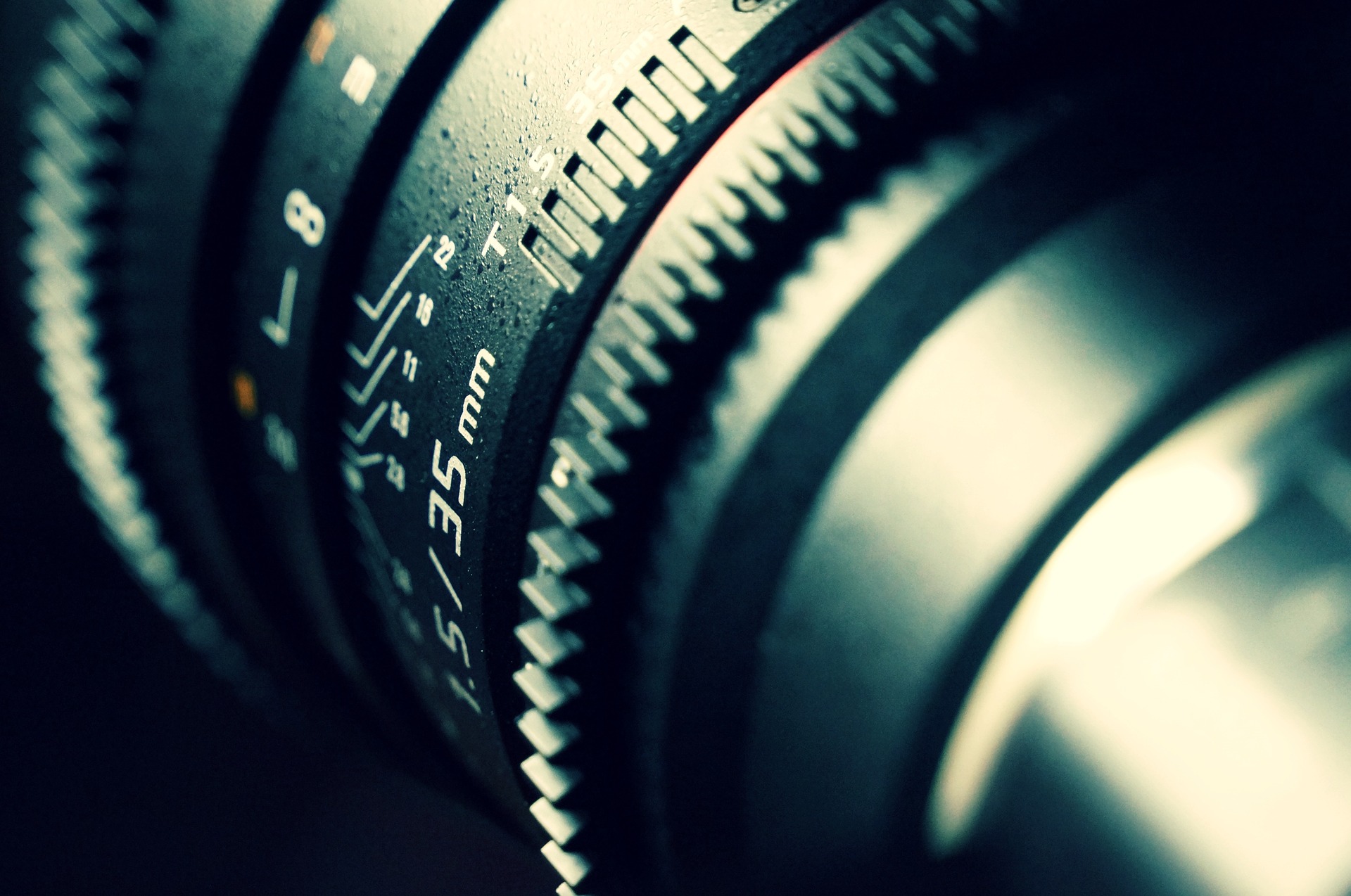
+ book review, how to, video
by Abwilkins
Steve Stockman’s How to Shoot Video That Doesn’t Suck is a very basic guide to filmmaking. Nonetheless, you find yourself being drawn in. Gaining in the process a vastly better understanding of how professional films are made. Well that is, if like me, you have little knowledge of filmmaking business. This book in particular focuses on small-scale film productions like those on YouTube and family movies.1
Stockman’s compelling voice really draws you in. As it is one of those Morgan Freeman type voices, simply made for narration.1
*Spoiler alert* (if such a things is really needed)
Stockman repeats four golden rules throughout How to Shoot Video That Doesn’t Suck. One, Keep film clips short. Two avoid using the zoom. Three remove anything that is not essential from the final cut. Lastly, avoid using the cameras special effects. He goes into a lot of detail on why these rules are a must and his arguments are compelling. Especially when he covers the psychological tricks used by filmmakers to keep the audience’s attention.1
How to Shoot Video That Doesn’t Suck goes into the basics of running a small film production. From the big things, such as planning with storyboards, choosing locations and which actors to hire. To the small things, such as how to use microphones, lighting and cameras when shooting. Many of the lesson are relevant to your everyday blogger as well as to your hollowed blockbuster.1
Unfortunately, Stockman ends up repeating himself a bit too much. He should have followed this own advice on removing anything that was not relevant to the final cut. Although this is what probably makes the books so easily to follow given the constant repetition.1
Furthermore, he omits which equipment and software to use when filming. Although there are plenty of videos out there on this topic.1
On this rare occasion, I am going to say that the How to Shoot Video That Doesn’t Suck should have been a documentary. Before you go writing in the comments. I am well aware that the average book contains as much as a TV series. Nonetheless, as the saying goes, a picture is worth a thousand words. It would have been much better for Stockman to shown the filming techniques instead of simply describing them. Moreover, it would have saved so much time. To illustrate the point take a look at the trailer for the book on YouTube. It covers much of the book’s content in less than four minutes.2
By Arran Wilkins © 2021 (text only)
Having a degree in the UK no longer means that you have opportunities denied to the bulk of the population.
When you search for anything to do with social media marketing, you will notice the abundance of three-hour audiobooks.
The book is a very basic guide to filmmaking. Gaining in the process a vastly better understanding of how professional films are made.
“How to Drive” aims to help people to learn to drive safely. With a mixture of first-hand accounts and know how, in an upbeat fashion.
Have you ever tried to get your head around early modern English history? Yes, I know it is a next to impossible, but with the right material, it can be done.
A blended of do’s and don’ts for cooking, restrain guide, and personal stories from Anthony Bourdain’s time as chief.
Something went wrong. Please refresh the page and/or try again.
(1) Stockman, Steve. How to Shoot Video That Doesn’t Suck: Advice to Make Any Amateur Look Like a Pro (Custom Productions, Inc., 2013) Amazon Audible, Available at: https://www.audible.co.uk/pd/How-to-Shoot-Video-That-Doesnt-Suck-Audiobook/B00H57VUL4?ref=a_library_t_c5_libItem_&pf_rd_p=7bf74090-5cb9-4f5e-bc6f-6ea28d055287&pf_rd_r=T43QB5MYYDCSK2WFQX8Z [Accessed on 25th April 2021].
(2) YouTube (2011) How to Shoot Video that Doesn’t Suck: OFFICIAL Book Trailer Available at: https://www.youtube.com/watch?v=jF0z9k93Y9Q [Accessed on 29th April 2021].
Stockman, Steve. How to Shoot Video That Doesn’t Suck: Advice to Make Any Amateur Look Like a Pro (Custom Productions, Inc., 2013) Amazon Audible, Available at: https://www.audible.co.uk/pd/How-to-Shoot-Video-That-Doesnt-Suck-Audiobook/B00H57VUL4?ref=a_library_t_c5_libItem_&pf_rd_p=7bf74090-5cb9-4f5e-bc6f-6ea28d055287&pf_rd_r=T43QB5MYYDCSK2WFQX8Z [Accessed on 25th April 2021].
(Image) Robert Lischka. Pixabay. Pixabay License. Accessed at: https://pixabay.com/photos/sony-lens-walimex-camera-1455038/ [Accessed on 5th April 2021].

The Highway Code is one of the most boring audiobooks out there. By the way did I mention you can get it in audiobook form, no really. Unfortunately, it sounds like one of those information films, where everyone wished they could be somewhere else. Although what should I expect from a legal document. It is hardly going to be a riveting listen. It was only saved from entering my worst audiobooks list by being incredibly useful. Since it contains laws that all drivers need to know.2
I went on the hunt for something better. However, every audiobook I came across was around an hour long. You might as well watch a YouTube video at that length. The truth is that audiobooks that are less than two hours are really audio-dissertations and not audiobooks.
As I calculated a couple of years ago, that an average audiobooks covers 31 pages every hour. I did this by dividing the pages by run time, for several books. Therefore, audiobooks of less than two hours should be less than 62 pages long.

Then I came across How to Drive by Ben Collins better known as the Stig from Top Gear. I will refer to Collins from here on out as the Stig, simply because I can. More importantly, How to Drive aims to help people to learn to drive safely. Therefore, I can highly recommend it for anyone learning to drive. With a mixture of first-hand accounts and know how, in an upbeat fashion. Well compared to The Highway Code.1
How to Drive should be the very last book you would expect from the stig. Nor from any racing driver for that matter.1
The Stig’s identity was kept secret for my most of my childhood, and now I could find out who here really was. Although it would seem that, the Stig is equally proud of his stunt driving on multiple Hollywood film sets like James Bond. Well this is the stig.1
How to Drive is split into four parts, but with parts one and two being the most important for learner drivers:1
Part 1 provides a short history of driving and the diving test. Going into the limitations of the driving test for preparing people for the open road.1
Part 2 goes over every part of controlling the car, from the brakes to engine power. Covering how to operate the car in such a way to maximise both speed and safety.1
Part 3 covers how to drive on the open road, with step-by-step guides and examples. The stag provides a common sense guide regularly pointing out hazards that could be fatal.1
The first half of Part 4 covers how to drive in hazardous conditions like snow and mud.1
The second half of part 4 goes into stunt and rally driving. The Stig uses examples of driving in James Bond and The Fast and the Furious film sets to show how they can done.1
I would not recommend How to Drive, if you have driven for thousands of miles without a problem. As the audiobook is primary aimed at learner drivers or those who have trouble driving. Unless you are looking for a refresher.1
The narration by the Stig, is ok, but not that good for someone who has spent many years on a hit TV show. Although he never uttered a single word, well until now!1
By Arran Wilkins © 2021 (text only)
At university, they made preparing for exams and seminars a doddle. Later on, they educated me on how to apply for jobs.
Biography
(1) Collins, Ben. How to Drive (Audible Original, 2017) Amazon Audible, Available at: https://www.audible.co.uk/pd/How-to-Drive-Audiobook/B071ZQTN48?ref=a_library_t_c5_libItem_&pf_rd_p=7bf74090-5cb9-4f5e-bc6f-6ea28d055287&pf_rd_r=B6C0WQ5HQCCR0G2RYXFG [Accessed on 6th April 2021].
(2) Waterson, Matthew. The Highway Code (Drivinged, 2013) Amazon Audible, Available at: https://www.audible.co.uk/pd/The-Highway-Code-Audiobook/B00UB3IZXA?ref=a_library_t_c5_libItem_&pf_rd_p=7bf74090-5cb9-4f5e-bc6f-6ea28d055287&pf_rd_r=NXAF78XW89A3DA6E0W7Z [Accessed on 9th April 2021].
(Image one) strikers. Pixabay. Pixabay License. Accessed at: https://pixabay.com/photos/miniature-car-model-toy-automobile-1802333/ [Accessed on 5th April 2021].
(Image two) Anindo Rudro. Pixabay. Pixabay License. Accessed at: https://pixabay.com/photos/miniature-cars-photography-2437613/ [Accessed on 5th April 2021].
(Image three) kunal mukherjee. Pixabay. Pixabay License. Accessed at: https://pixabay.com/photos/miniature-car-rain-5141627/ [Accessed on 5th April 2021].

+ book review, history, learning, Stuarts, tudors
by Abwilkins
Have you ever tried to get your head around early modern English history? Yes, I know it is a next to impossible, but with the right material, it can be done. Which is where A History of England from the Tudors to the Stuarts by Robert Bucholz comes in. So is it any good? 1
Things do not start promisingly, with the very first lecture feeling like one of those 1980s “how to” documentaries. Where the presenter stands there for ages and says why you should be interested in, let say sailing. There is no easier way to bore the listener than by telling them to do something they already wanted to do. Especially since only those who are interested in English history would be listening. The next three lectures are not much better, providing only a basic understanding of feudal society and hierarchy. However if you are already familiar with early modern history, I would recommend skipping to lecture five. 1
I would recommend Bucholz taking a look at Ann Handley’s book Everybody Writes. As she recommends in Chapter 15, cutting off the beginning, until something substantial is reached in the text. This way unnecessary waffle is avoided. Although to be fair, historians are not primary chosen on their ability to write and communicate. 2
All of a sudden, Bucholz realise he is running out of time to set the scene for the main story. He crams in over a hundred years from 1377 to 1485 in lectures five and six. This a bit of an achievement, even if it makes for two very hard to follow lectures. To put this into perspective later lectures cover roughly 8.4 years a much more digestible amount. To illustrate the point, try explaining something as complex as World War Two in just over 3 minutes in some detail. Just to cover 1939-40, let alone the rest of the war, you would have to cover the following: 1
I think I have proved my point.
It would have been much better to condense the first four lectures into one or two lectures. Intern leaving four or five lectures to cover from 1377 to 1485 instead of just lectures five to six. 1

A History of England from the Tudors to the Stuarts really begins with lecture seven, with the Tudors. I would suggest starting the course here, saving yourself three hours. From here on out Bucholz provides a brilliant series of lectures. His big achievement is to keep thing simple and easy to understand. With the lectures, avoiding becoming too bogged down in minor details, instead focusing on the big picture. This is a breath of fresh air, as so many books expect a certain amount of pre-gained knowledge. This intern makes it hard for people to break into new subjects. This in essence is A History of England brilliance. 1
The course can be split into two parts, the chronological and social history. The chronological history, e.g. covering historical events in order, is the more traditional form of history. It usually covers the English monarchy and their dealings with the nobility and foreign powers. Bucholz use chronological history in lectures seven to nineteen and lectures twenty-eight to forty-four. However, the remaining lectures break with tradition by covering the lives of ordinary people. This makes the lecture series more round and interesting. Bucholz use does this in lectures two to four, lectures twenty to twenty-seven, and lectures forty-six to forty-seven. 1
I would recommend speeding the course up to 135% as Bucholz narration is a bit slow. This is not a big loss since the book is over 24 hours long, therefore reducing the run time to a more manageable 18 hours. Otherwise, Bucholz delivery is perfectly respectable. 1
Yes, A History of England from the Tudors to the Stuarts is simply excellent, weaving together complex historical events into a coherent narrative. Well as long as you start at lecture seven. 1
By Arran Wilkins © 2021 (text only)
I have been looking for an audiobook that explains the Napoleonic period. So I tried Andrew Roberts’s epic, Napoleon the Great.
“Forgotten Voice of the Great War” is a collection of fascinating real life stories. Coming from a time of great upheaval, so different from our own.
Prime Minister William Pitt ‘the Younger’ led Britain to war with Revolutionary France following the French Revolution.
Firstly, maps and diagrams are a simple must for showing where the soldiers were and to whom they were facing.
“Emperors of Rome” by Garrett G Fagan covers the history of Roman Emperors, with a brief overview of each Emperor’s rises and fall.
“Hue 1968” describes the battle that took place in Hue during the Tet Offensive in 1968 through the eyes of participants who were there.
Something went wrong. Please refresh the page and/or try again.
(1) Bucholz, Robert. A History of England from the Tudors to the Stuarts (The Great Courses, 2013) Amazon Audible, Available at: https://www.audible.co.uk/pd/A-History-of-England-from-the-Tudors-to-the-Stuarts-Audiobook/B00D97Q8QQ?ref=a_library_t_c5_libItem_&pf_rd_p=7bf74090-5cb9-4f5e-bc6f-6ea28d055287&pf_rd_r=3JC2HZBEA7QCNKRT7KHS [Accessed 25th March 2021].
(2) Handley, Ann (Author). Barrett, Cynthia (Narrator). Everybody Writes: Your Go-To Guide to Creating Ridiculously Good Content (Audible Studios, 2014). Amazon Audible, Available at: https://www.audible.co.uk/pd/Everybody-Writes-Audiobook/B00PKOXT0Y?ref=a_library_t_c5_libItem_&pf_rd_p=7bf74090-5cb9-4f5e-bc6f-6ea28d055287&pf_rd_r=EPRP0TNAYD8DYZXMWETF [Accessed 15th April 2021].
See Chapter 15: If You Take a Running Start, Cover Your Tracks.
(Image one) Schäferle. Pixabay. Pixabay License. Accessed at: https://pixabay.com/photos/photo-monk-memory-middle-ages-2529307/ [Accessed 25th March 2021].
(Image two) Peter H. Pixabay. Pixabay License. Accessed at: https://pixabay.com/photos/gallery-art-mural-baroque-3114279/ [Accessed 25th March 2021].

+ book review, cooking, food, how to, memoirs
by Abwilkins
Anthony Bourdain’s Kitchen Confidential is the audiobook equivalent of a binge worthy TV show. You can listen Kitchen Confidential for hours without a problem, it just that good. A blended of do’s and don’ts for cooking, restrain guide, and personal stories from Bourdain’s time as chief. This mixture keeps the content fresh and interesting, no pun intended. I must admit I have not listened to any other audiobooks related to cooking before.1
* Unfortunately, Kitchen Confidential is simply not suited to children given the book adult content and large amount swearing.1 *
Bourdain improbable portrayals of chiefs as a hard nutty bunch, does make Kitchen Confidential entertaining. Nevertheless, at the same time it does seems a bit exaggerated. He admits that when he started out he was willing to excessively brag, things do not seemed to have changed.1
The personal stories further enhance the entertainment value. Even if at times, Kitchen Confidential unfortunately just turns into a list of people and cooking procedures. The stories offer a new and unique view on the restaurant business. Such as the days of the week and course to go for to get the best restaurant experience.1
Unfortunately, Kitchen Confidential is somewhat let down by Bourdain slow narration. I would highly recommend speeding up the audio to overcome this problem. Outside of this Bourdain narration is up there with any professional actors.1
By Arran Wilkins © 2021 (text only)

Since Astrophage is so similar to earth life, being made largely of water. Especially with so many scientists working on the Astrophage problem.
They follow a main character on a space adventurer battling against the odds to save themselves or the human race, after becoming lone survivors.
Follow Hornblower, as he rises through the ranks of the Royal Navy, with many perilous encounters along the way.
It combines a brilliant comedy duo with the story of the Appalachian Trial. I must stress before we go any further, that I would not recommend watching the film
Arkham County is such a mixed bag, that if someone turned it into a movie, it would be either an instant classic or a stunning flop.
Commonly bad audiobooks suffer from bad narration usually provided without enthusiasm, in a boring and dull manor.
Something went wrong. Please refresh the page and/or try again.
(1) Bourdain, Anthony. Kitchen Confidential (Bloomsbury Publishing Plc, 2020) Amazon audible, Available at: https://www.audible.co.uk/pd/Kitchen-Confidential-Audiobook/1526629445?ref=a_library_t_c5_libItem_&pf_rd_p=7bf74090-5cb9-4f5e-bc6f-6ea28d055287&pf_rd_r=EDMT8RQVPFX5EPA4G96S [Accessed on 21st February 2021].
(Image one) Alexas_Fotos. Pixabay. Pixabay License. Available at: https://pixabay.com/photos/chefs-figures-funny-cook-1661131/ [Accessed on 21st February 2021].
(Image two) Alexas_Fotos. Pixabay. Pixabay License. Available at: https://pixabay.com/photos/cooking-coffee-figures-funny-947776/ [Accessed on 21st February 2021].

Have you found yourself searching in vain for a great comedy, to get that comedy fix? Well I would recommend trying Bill Bryson’s A Walk in the Woods, one of those instant classics. It combines a brilliant comedy duo with the story of the Appalachian Trial. I must stress before we go any further, that I would not recommend watching the film of the same title first. Simple put the film is a poor substitute for the real thing.3
Most of the comedy in A Walk in the Woods’s comes from the comical mishaps suffered by Bryson and Stephen Katz while hiking on the Trail. The single best thing being Katz’s down to earth witty retorts to the comical situations they found themselves in. It is as good as any good Hollywood buddy comedy. Another word of warning, the same cannot be said for Katz’s previous appearance in Bryson’s book Neither Here nor There. Katz plays a very minor role without any of this clever wit coming through.2

Things go downhill when Bryson takes the reader off to one side to explain a particular facet of the Appalachian Trial. These moments are not bad par say; they just do not live up to standard of the rest of the book. They still benefit largely from Bryson’s dry wit, but have little else going for them. You will be very familiar with his wit if you have read any of his books. Unfortunately, at times his wit can come across as a tad complaining. A Walk in the Woods would have benefited from having much of this material left out.1
Regrettably, the 2015 film of the same name was a very poor imitation of the book. The film comes across as a mere slapstick portrayal of events. With Bryson and Katz not being taken seriously, losing much of the comedy in the process. With the film lacking any gravity or irony to the situations that they find themselves in. Unfortunately, I feel that most of Bryson’s dry wit does not come across in the scenes. If the film had taken the material seriously, it could have worked.3
By Arran Wilkins © 2021 (text only)
The true story of Richard W. Miller is unique and one of a kind. Normally it would be hard to find a real life spy comedy, but look no further.
Sherlock Holmes: The Voice of Treason is a very entertaining listen, but it does not count as a Sherlock Holmes story.
Biography
(1) Bryson, Bill (Author). Roberts, William (Narrator). A Walk in the Woods (Audible Studios. 2005) Amazon audible, Available at: https://www.audible.co.uk/pd/A-Walk-in-the-Woods-Audiobook/B004FT9S3M?qid=1613055294&sr=1-1&ref=a_search_c3_lProduct_1_1&pf_rd_p=c6e316b8-14da-418d-8f91-b3cad83c5183&pf_rd_r=5B396KYXTPMMP750A0YY [Accessed on 11st February 2021].
(2) Bryson, Bill (Author). Roberts, William (Narrator). Neither Here nor There (Audible Studios. 2009) Amazon audible, Available at: https://www.audible.co.uk/pd/Neither-Here-nor-There-Audiobook/B004FTEVPW?ref=a_library_t_c5_libItem_&pf_rd_p=7bf74090-5cb9-4f5e-bc6f-6ea28d055287&pf_rd_r=9JFXVS16KR1RP578NSF1 [Accessed on 11st February 2021].
Bryson, Bill (Author). Roberts, William (Narrator). A Walk in the Woods (Audible Studios. 2005) Amazon audible, Available at: https://www.audible.co.uk/pd/A-Walk-in-the-Woods-Audiobook/B004FT9S3M?qid=1613055294&sr=1-1&ref=a_search_c3_lProduct_1_1&pf_rd_p=c6e316b8-14da-418d-8f91-b3cad83c5183&pf_rd_r=5B396KYXTPMMP750A0YY [Accessed on 11st February 2021].
(3) Kwapis, Ken (Directors). Redford, Robert. And Nolte, Nick.etal (Actors). A Walk in the Woods (Entertainment One, 2015) Amazon Prime Video, Available at: https://www.amazon.co.uk/Walk-Woods-Robert-Redford/dp/B088WNS8T8/ref=sr_1_1?dchild=1&keywords=A+Walk+in+the+Woods&qid=1610283874&sr=8-1 [Accessed on 11st February 2021].
Bryson, Bill (Author). Roberts, William (Narrator). A Walk in the Woods (Audible Studios. 2005) Amazon audible, Available at: https://www.audible.co.uk/pd/A-Walk-in-the-Woods-Audiobook/B004FT9S3M?qid=1613055294&sr=1-1&ref=a_search_c3_lProduct_1_1&pf_rd_p=c6e316b8-14da-418d-8f91-b3cad83c5183&pf_rd_r=5B396KYXTPMMP750A0YY [Accessed on 11st February 2021].
(Image one) Willfried Wende. Pixabay. Pixabay License. Available at: https://pixabay.com/photos/shoes-leather-hiking-work-shoes-5384571/ [Accessed 10th January 2021].
(Image two) Dariusz Sankowski. Pixabay. Pixabay License. Available at: https://pixabay.com/photos/camera-photographs-souvenir-1130731/ [Accessed 21st February 2021].

Many authors fall into several traps when describing complex historical battles. I will be using the audio version of Waterloo by Tim Clayton to help illustrate the problems.1
The battle of Waterloo is generally considered one of the most important battles in history, as it finally saw the defeat of Napoleon. The French army was defeat by an Anglo-allied army under the Duke of Wellington and the Prussians commanded by Gebhard Leberecht von Blücher. Clayton’s Waterloo is divided into three sections covering the build-up to the campaign, the battles preceding Waterloo, and the battle itself.1
Firstly, maps and diagrams are a simple must for showing where the soldiers were and to whom they were facing. Including such things as the terrain, numbers and types of forces involved, and their movements on the battlefield. Whereas the use of long lists should be avoided where possible. They run the risk of just being an information dump and not very comprehensible.
Just like on the battlefield, the author, just like the general should use everything at their disposal. They should consider maps and diagrams, a vital weapon in their arsenal. It is best to ignore the old fuddy duddies who dislike combined arms and any large-scale use of images in scholarly books. Epically since a picture can tell a thousand words.
Take the example of the audiobook version of Waterloo that has no maps or diagrams, unlike its paper equivalent.2 It is for some reason is less deserving of the clarity brought about by maps and diagrams. As one reviewer commented on the Audible page:3
“Maps & diagrams needed to get the real effect […] For this sort of book even a small movable map would be invaluable.”3
Secondly, the inclusion of too much irrelevant background details during battle scenes can really break up the narrative. Such as an individual back-story or other minutiae, can add context, but are best covered before the battle, not during it. As jumping from action to minutiae and back again can be a bit distracting. It will just come across to the reader as the author going off on one. Although there are moments where such information should be added, but only where it is directly relevant to events in the battle.
Waterloo unfortunately suffers in parts from having too much background details. With numerous officers having their own short biographies, and terrain being painstaking described, even if it adds little to the battle. Much of this detail comes mid-way through the sequence of events in the battle, making the narrative very disjointed.1

Third the need to distinguish clearly who is who, with a consistent and simple way of refereeing to each regiment. Although this problem is rare, and only really encountered when the narrative jumps from one part of the battle to another. Most books covering battles avoid this problem, by limiting the number of individual participants to three or four at any one time.
For example in Waterloo, there could numerous individuals and units covered at any one time.1 Clayton makes life hard for the reader, one minuet referring to a body of troops by their regimental name and the next by their commander’s name.1 This is compounded by Clayton continuously jumping to different parts of the battlefield, e.g. from the Prussians to the British and back again.1
Outside of these problems, Waterloo is a very good and a detailed account of the campaign that brought down Napoleon. If the problems listed above could have been solved, the book might have been a best seller. Waterloo contains many excellent first-hand accounts and a gripping narrative, when it stays on focus.1
By Arran Wilkins © 2021 (text only)
(1) Clayton, Tim (Author). Franks, Phillip (Narrator). Waterloo (Audible Studios, 2014) Amazon audible, Available at: https://www.audible.co.uk/pd/Waterloo-Audiobook/B00NB5PNFI?ref=a_library_t_c5_libItem_&pf_rd_p=7bf74090-5cb9-4f5e-bc6f-6ea28d055287&pf_rd_r=K3C1SCWRZPTE55S3XCP1 [Accessed 2nd March 2021].
(2) Amazon.co.uk, Waterloo: Four Days that Changed Europe’s Destiny Paperback – 5 Feb. 2015. Available at: https://www.amazon.co.uk/Waterloo-Four-Changed-Europes-Destiny/dp/0349123012/ref=tmm_pap_swatch_0?_encoding=UTF8&qid=1614706232&sr=8-2 [Accessed 2nd March 2021].
(You will find the list of diagrams in the book by using the “look inside” tab)
Clayton, Tim (Author). Franks, Phillip (Narrator). Waterloo (Audible Studios, 2014) Amazon audible, Available at: https://www.audible.co.uk/pd/Waterloo-Audiobook/B00NB5PNFI?ref=a_library_t_c5_libItem_&pf_rd_p=7bf74090-5cb9-4f5e-bc6f-6ea28d055287&pf_rd_r=K3C1SCWRZPTE55S3XCP1 [Accessed 2nd March 2021].
(3) Patterson, Alexander. “Maps & diagrams needed to get the real effect” – 25 July 2015 [audible review]. Available at: https://www.audible.co.uk/pd/Waterloo-Audiobook/B00NB5PNFI?qid=1614786285&sr=1-1&ref=a_search_c3_lProduct_1_1&pf_rd_p=c6e316b8-14da-418d-8f91-b3cad83c5183&pf_rd_r=CTW8JQ9MG6MCGQH7181F [Accessed 3rd March 2021].
(Image 1) Dominique Devroye. Pixabay. Pixabay License. Available at: https://pixabay.com/photos/belgium-waterloo-folklore-napoleon-1632048/ [Accessed 3nd March 2021].
(Image 2) Greet Gladine. Pixabay. Pixabay License. Available at: https://pixabay.com/photos/war-napoleon-military-confused-618899/ [Accessed 3nd March 2021].

Arkham County is such a mixed bag, that if someone turned it into a movie, it would be either an instant classic or a stunning flop.1 Arkham County has many flaws that should render it a failure.1 I normally avoid buying books with less than four stars, as they are usually not very good.3 Arkham County has gained many bad reviews such as the review partly shown below.3 However, I took a chance and was pleasantly surprised, with Arkham County having charming wacky take on the horror genre.1
“Astonishingly bad
Incoherent, babbling, disjointed, reliant on entire scenes of groaning noises to denote events,“2
Unfortunately, many of the criticism of Arkham County are justified. With the authors Guy Adams and AK Benedict having simply tried to do too much. They had way too may plot threads and outlandish scene building, for the story to get lost in. It is such a shame that they allowed their imagination go wild and unchecked almost ruining the story. 1

*Spoiler alter*
The biggest problem with Arkham County is the over use of subplots. Epically since many of them have no relevance to the overall plot. They take so long to get through that the ending has to be rushed. The end is such an anti-climax, with the ultimate danger being dealt with so easily, without any real danger. It is almost as bad as the preverbal; it was all just a dream ending. Being such a same after the pre-shadowing and unfolding mystery surrounding this moment over the preceding chapters. That said many of the subplots had good potential, with compelling plots and engaging dialogue. They were easily worthy of a book in their own right.1
To make things worse Adams and Benedict sometime use too little description leaving the listener wondering what on earth was going on. The problems seem to steam from the aim to create both a visual master pierce and a fast flowing adventure. To achieve this description was kept to a minimum to maintain momentum. This makes some sections seen a little rushed, with little enough being spent bringing their ambitious world to life. In fact, I would not be surprised if Arkham County was planned for the big screen. This would nicely explain the lack of description, as this would have originally been conveyed by the visuals.1

The acting and sound effects in Arkham County are spot on and as good as any highly rated TV show. You can so clearly tell people put their heart and soul into the performance. The sound effects somehow manage to partly convey the mad world across to the listener. Unfortunately, two caveats must be added. Firstly, for some reason the sound department provides a pointless musical opening. It is probably were the opening credits would have gone in the movie? Secondly, due to poor casting some of the actors sound so similar, making it hard to tell them apart. Luckily, the similar sounding actors are not placed in the same scene.1
If you can look past Arkham County many flaws, you will find it a very enjoyable listen. The wackiness alone make Arkham County unique and maybe for that reason worth a listen.1
By Arran Wilkins © 2021 (text only)
Clarkson’s Farm is a blast of fresh air compared to The Grand Tour. There was no use of the same old jokes, with the same old set up.
(1) Adams, Guy. And Benedict, AK (Aruther). And Annen, Davidetal. Arkham County: An Audible Original Drama (Audible Original, 2020) Amazon audible, Available at: audible.co.uk/pd/Arkham-County-Audiobook/B08JD8LRJ5?ref=a_library_t_c5_libItem_&pf_rd_p=7bf74090-5cb9-4f5e-bc6f-6ea28d055287&pf_rd_r=B6MV63BR7ZB8KB8Y48PY [Accessed on 25th February 2021].
(2) Lisasarcy. “Astonishingly bad” – 15 October 2020 [audible review]. Available at: https://www.audible.co.uk/pd/Arkham-County-Audiobook/B08JD8LRJ5?ref=a_library_t_c5_libItem_&pf_rd_p=7bf74090-5cb9-4f5e-bc6f-6ea28d055287&pf_rd_r=TSH5SY7VG2VF88TYR7YA [Accessed 2nd March 2021].
(3) audible, Arkham County: An Audible Original Drama. Available at: https://www.audible.co.uk/pd/Arkham-County-Audiobook/B08JD8LRJ5 [Accessed 6th March 2021].
(Image 1) Stefan Keller. Pixabay. Pixabay License. Available at: https://pixabay.com/photos/fantasy-landscape-elephant-man-2995326/ [Accessed 25th February 2021].
(Image 2) Enrique Meseguer. Pixabay. Pixabay License. Available at: https://pixabay.com/photos/steampunk-city-clock-clock-city-3006650/ [Accessed 25th February 2021].
(Image 3) Stefan Keller. Pixabay. Pixabay License. Available at: https://pixabay.com/photos/fantasy-wanderer-sculpture-monument-2925250/ [Accessed 25th February 2021].

Emperors of Rome by Garrett G Fagan covers the history of Roman Emperors, with a brief overview of each Emperor’s rises and fall. However the lecture series is let down by the limited historical knowledge on some Rome Emperors, as Fagan knowledges. Where the historical knowledge allows, Fagan provides a highly engaging and informative set of lectures on Rome’s Emperors. 1
Emperors of Rome is very similar to a documentary series; expect there are no moving pictures. It is comparable in level of detail and scope to a documentary series. However, unlike many documentaries, things are not needlessly drawn out. With the Emperors of Rome, having no adverts with the common repetition of what has already been covered. Then again, many documentaries are free, given the adverts, so it is not clear-cut which is best. So it is just a question of how do you value your time? 1
There are three problems with the Emperors of Rome. First, as mentioned above, the lack of historical knowledge prevents a proper examination of many of the Emperors. As Fagan can only provide a few a details that are curranty known. The result is that the Emperors of Rome is prevented from reaching it potential. Second, some of the Emperors are very forgettable, with mad emperors being strangely very similar to each other. Third, it would have been a better experience if it was combined with Fagan’s other lecture on ancient Rome: The History of Ancient Rome. As Rome and her Emperors are closely intertwined. Furthermore, Fagan in both courses says he will leave out bits as they are covered in the other course. 2
Fagan’s narration in Emperors of Rome is easily to follow, and his lectures are clearly laid out. Whereas not all lecturers are able to master public speaking, even if they have written many books on the subject and have great knowledge on the subject. 1
By Arran Wilkins © 2021 (text only)
Biography
(1) Fagan, Garrett G. Emperors of Rome (The Great Courses, 2013) Amazon audible, Available at: https://www.audible.co.uk/pd/Emperors-of-Rome-Audiobook/B00D8HU1V0?ref=a_library_t_c5_libItem_&pf_rd_p=7bf74090-5cb9-4f5e-bc6f-6ea28d055287&pf_rd_r=68DNW8FZQ7D83F1K66CZ [Accessed on 22nd January 2021].
(2) Fagan, Garrett G. The History of Ancient Rome (The Great Courses, 2013) Amazon audible, Available at: https://www.audible.co.uk/pd/The-History-of-Ancient-Rome-Audiobook/B00DIGWR4A?qid=1613652345&sr=1-1&ref=a_search_c3_lProduct_1_1&pf_rd_p=c6e316b8-14da-418d-8f91-b3cad83c5183&pf_rd_r=QT89WTN664XPMF078JFT [Accessed on 18th February 2021].
Fagan, Garrett G. Emperors of Rome (The Great Courses, 2013) Amazon audible, Available at: https://www.audible.co.uk/pd/Emperors-of-Rome-Audiobook/B00D8HU1V0?ref=a_library_t_c5_libItem_&pf_rd_p=7bf74090-5cb9-4f5e-bc6f-6ea28d055287&pf_rd_r=68DNW8FZQ7D83F1K66CZ [Accessed on 22nd January 2021].
(Image 1) Andrea Albanese. Pixabay. Pixabay License. Available at: https://pixabay.com/photos/colosseum-rome-italy-ancient-rome-2030639/ [Accessed 22nd January 2021].

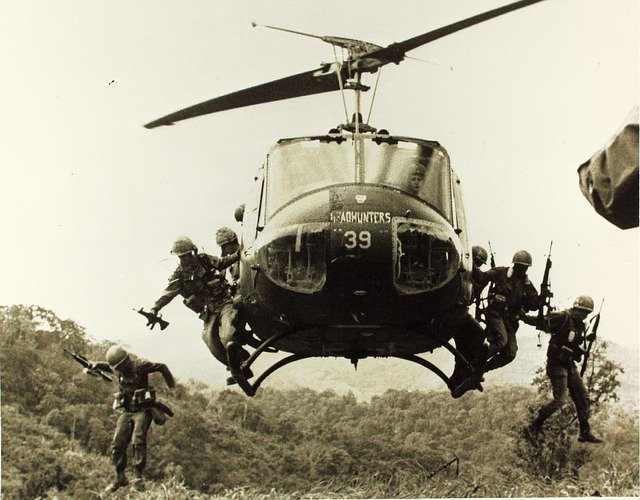
Hue 1968: A Turning Point of the American War in Vietnam written by Mark Bowden was a “New York Times best seller”.2 It describes the battle in Hue that took place during the Tet Offensive in 1968 through the eyes of participants who were there.1 Coming from the author of the “New York Times best seller” Black Hawk Down that was later turned into the movie of the same name.2 Hue 1968 provides a very clear picture of what it would have been like to be an American solider during the fighting.1 However, if you want to learn what happened in the quickest way possible such as for an assignment at university, I would unfortunately recommend finding another book.1
Bowden’s method of storytelling is similar to that of Max Hasting in Nemesis: The Battle for Japan, 1944-45. As both authors use first-hand accounts to make up the majority of their respective books. With the first-hand accounts being weaved together to form the story. This is supplemented with a narrative on the events and the wider situation surrounding war. However, they differ in that Bowden focuses on an individual battle, whereas Hasting focuses on an entire campaign.4
In Hue 1968, Bowden divides the battle into six parts, each covering a distinct pierce of the battle from beginning to end. The first-hand accounts include soldiers and officials on both sides, such as general Westmoreland and President Lyndon B. Johnson. Many of these accounts are spread throughout the course of the book.1
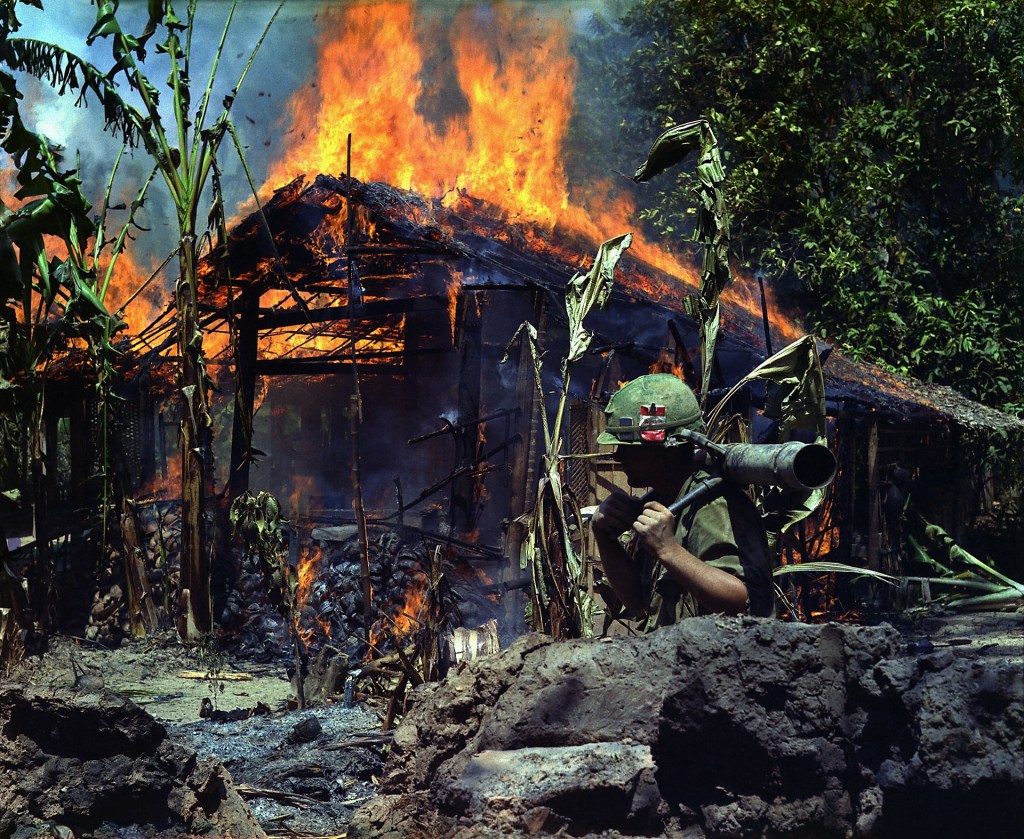
Hue 1968 focuses primarily on the American experience. Although it would have been nice to hear more from the Vietnamese side, as was the case in part one. This would have allowed a more rounded understanding of the battle. Especially since many of the American accounts unfortunately end up over lapping. Around three fourths of the book covers the personal experience of the American military. With the remaining one fourth left for international journalist and small amount for the Vietnamese accounts of the battle. Given that most of the combatants and all the civilians were Vietnamese, it would have been nice for them to get more of a hearing. Although I am probably being too harsh, as the book aims to tell the American side of the battle.1

However, Hue 1968 does suffer from two big problems, regarding the narrative flow. Firstly, when you jump between stories, it sometimes results in a jarring motion. As all of sudden, you find yourself leaping from a high crescendo of one story to a slow build of the next story. As the book, progresses the stories start to fit better together, as the book begins to focus solely on the Americans accounts of the battle. Some of the scene setting comes from the need to remind the reader of what has gone on before. Such as when characters are reintroduced after being dropped chapters ago.1
The voice provided by Joe Barrett comes across as if he could have been one of the American soldiers personally retelling the story. According to Tantor Media, Barrett has won 14 Earphones Awards from AudioFile magazine and has been a finalist for Audie Award eight times.3

To Sum up Hue 1968 is a real good account of the battle that took place at Hue. Mark Bowden is just the communicator for those who were there.1
By Arran Wilkins © 2021 (text only)
Russia has waged an undeclared war against Ukraine ever since their illegal annexation of Crimea in 2014.
Biography
(1) Bowden, Mark. (Author). Barrett, Joe. (Narrator). Hue 1968: A Turning Point of the American War in Vietnam (Audible Studios, 2017) Amazon audible, Available at: https://www.audible.co.uk/pd/Hue-1968-Audiobook/B071XDHBZL?ref=a_library_t_c5_libItem_&pf_rd_p=da5752e8-6ae2-4c79-a3e2-1ab92e079358&pf_rd_r=B6S326FP4KGS9X6YQEY0 [Accessed 6th January 2021].
(2) Audible, Hue 1968 A Turning Point of the American War in Vietnam. Available at: https://www.audible.co.uk/pd/Hue-1968-Audiobook/B071XDHBZL?qid=1614013302&sr=1-1&ref=a_search_c3_lProduct_1_1&pf_rd_p=c6e316b8-14da-418d-8f91-b3cad83c5183&pf_rd_r=HPJQGEPYYZDJCZ474XZ1 [Accessed on 22 February 2021].
Audible, Black Hawk Down. Available at: https://www.audible.co.uk/pd/Black-Hawk-Down-Audiobook/B01M66ACJ3?ref=a_author_Ma_c9_lProduct_1_2&pf_rd_p=82bb5fbf-e002-4fc5-b76c-dcbb48521205&pf_rd_r=XE4PF83Q1CMDAP9CP2GB [Accessed on 22 February 2021].
Amazon.co.uk, Hue 1968: A Turning Point of the American War in Vietnam Kindle Edition. Available at: https://www.amazon.co.uk/Hue-1968-Turning-American-Vietnam-ebook/dp/B0716QHDLM/ref=tmm_kin_swatch_0?_encoding=UTF8&qid=&sr= [Accessed on 22 February 2021].
(3) Tantor Media, Joe Barrett. Available at: https://tantor.com/narrator/joe-barrett.html [Accessed 6th January 2021].
Bowden, Mark. (Author). Barrett, Joe. (Narrator). Hue 1968: A Turning Point of the American War in Vietnam (Audible Studios, 2017) Amazon audible, Available at: https://www.audible.co.uk/pd/Hue-1968-Audiobook/B071XDHBZL?ref=a_library_t_c5_libItem_&pf_rd_p=da5752e8-6ae2-4c79-a3e2-1ab92e079358&pf_rd_r=B6S326FP4KGS9X6YQEY0 [Accessed 6th January 2021].
(4) Hasting, Max (Author). Cameron, Stewart (Narrator). Nemesis: The Battle for Japan, 1944-45 (Audible Studios, 2014) Amazon audible, Available at: https://www.audible.co.uk/pd/Nemesis-Audiobook/B00KQ35W4A?qid=1614011023&sr=1-1&ref=a_search_c3_lProduct_1_1&pf_rd_p=c6e316b8-14da-418d-8f91-b3cad83c5183&pf_rd_r=375YWD754CT9QS3SRYRS [Accessed on 22 February 2021].
Bowden, Mark. (Author). Barrett, Joe. (Narrator). Hue 1968: A Turning Point of the American War in Vietnam (Audible Studios, 2017) Amazon audible, Available at: https://www.audible.co.uk/pd/Hue-1968-Audiobook/B071XDHBZL?ref=a_library_t_c5_libItem_&pf_rd_p=da5752e8-6ae2-4c79-a3e2-1ab92e079358&pf_rd_r=B6S326FP4KGS9X6YQEY0 [Accessed 6th January 2021].
I have many audiobooks to choose from, as I have finished over 200. In that amount, you may not be surprised to find that I ran into audiobooks that I regretted buying. I ended up listening to a few bad audiobooks, as Audible places limits on the numbers of audiobooks that can be returned. Audible does this to prevent people from abusing their system. As otherwise, people could simply return audiobooks after they had finished them and never pay for them. As I wanted my money’s worth, I ended up listening to them.
In my experience, bad audiobooks suffer from two common flaws. Starting off, with bad narration usually provided without enthusiasm, in a boring and dull manor. Just as it is with potentially good movies ruined by bad acting, the same goes with audiobooks. The other flaw being the books themselves, as no amount of good voice acting can save them. The most common flaw with books comes when they are stretched out way too long, to fill an excessive page count.
However most of the time the narration is brilliant and brings the book to life, usually done by a very enthusiastic narrator. Furthermore, the costs of narration if done by a professional actor, will limit the numbers of books that will become audiobooks. The same selective process happens when it comes to which books that are turned into films. Take for example the Lord of the Rings and Harry Potter movie franchise that started out as books.
By the way, this is just my opinion and I do not intended to take away any enjoyment from these who liked these books. Below are the three worst books I have so far come across:
Let us start with the least worst of the three, Victorious Century: The United Kingdom, 1800-1906 by David Cannadine. It is a brilliant example of a good book ruined by poor narration. If you do not believe me, follow the hyperlink in reference for the book above and you can hear a sample of the narration on the purchase page. The narration almost seemed to be design to put you to sleep, with its very monotone and robotic deliverance. You can tell that the narrator has very little enthusiasm for the book, almost as if he was doing a paint by numbers job.1
However if you can look past the narration, the Victorious Century itself is well written and highly informative. Otherwise, it would have been farther down this list, as the narration is the worst that I can remember. Furthermore, I was still able to finish the book, even if I had to use a lot of stops and starts.1
I would give Victorious Century overall 1/5 star rating, being zero stars for the narration, and three starts for the book itself.
London in the Eighteenth Century written by Jerry White suffers from many of the same problems of the previous book but lacks its redeeming features. The book has a much narrower focus than the previous book, being only concerned with the history of London instead of entire country in the 18th Century. The level of detail contained within the book, means that it could easily be used as a time traveller’s guide to the city. Which sounds good, until you realise there was nothing of real interest going on back then, or White just could not find it. Unfortunately, the book just ends up covering insignificant minutiae that quickly gets boring. To like this book you really have to like narratives on everyday life.2
London in the Eighteenth Century is divided into five sections starting with how the city expanded over the century and ending with how the city was governed. Therefore, the book tries to tell its story with mixture of personal accounts and description of what was happening. However saying that, the story is not poorly written, just not very interesting.2
The narration was by Neil Gardner and was slightly better than the previous book, but not by much. His monotone performance completely fails to bring the London in the Eighteenth Century to life, even if the book was good to start with. Nevertheless, it is less monotone than the previous’ book performance.2
I would give London in the Eighteenth Century a 0/5 star rating. Luckily, I was able to return this one.
Now for the worst audiobook by a clear country mile, Becoming a Great Essayist by Jennifer Cognard-Black. It fails at every hurdle, from its audio narrative to its substance. The aim of the audiobook was to help people create great English’s essays. Which seemed to be the very thing I needed, when I was doing my masters dissertation. I had no idea how wrong I could be. I really tried to finish this book, but I just could not do it.3
However, Becoming a Great Essayist provides little more than ideas different for essays. Which could at best inspire you, or worst be of no relevance to you. I was in the latter. I suspect most people will gain little from the book, which is a real shame, given the subject area. Especial given the name of the title and the numbers of students who want to produce good essays. If she had gone through the process of writing essays, from beginning to end, it could have been a different story entirely.3
The Great Courses, who published Becoming a Great Essayist, specialise in producing professional lecture series. Before this, I would not have believed that they could have produce something so uninformative. Especially since professional lecturer series are my go to source for learning, as they are usually jammed packed full of information.3
Unfortunately, Jennifer Cognard-Black’s lectures feel like they are coming from a schoolteacher. Yes, she is passionate, but just like so many schoolteacher before her, she completely fails to make the subject interesting. She unfortunately comes across as a bit wishy-washy and overly proud of her essays. In sort the very type of speech that has put many schoolchildren across the globe to sleep.3
Becoming a Great Essayist is so bad it is almost an achievement. It puts you back in one of those boring meaningless school lessons that you had thought you had left behind.3
I would give Becoming a Great Essayist a -1/5 star rating, it is that bad.
Therefore, what should you look out for to avoid the mistakes I made?
Starting with avoiding bad narration. Listen to sample on the purchase page, and if you start to lose concentration, this book is not for you. Then check what the book is actually about, by reading the reviews and using content page on amazon to get a glimpse of the content behind the title. However if it is a fictional book be careful not find out too much about the story.
By Arran Wilkins © 2021 (text only)
(1) Cannadine, David (Author). Dyer, Kris (Narrator). Victorious Century: The United Kingdom, 1800-1906 (Audible Studios, 2017). Amazon audible, Available at: https://www.audible.co.uk/pd/Victorious-Century-Audiobook/B075Y57GPM?ref=a_library_t_c5_libItem_&pf_rd_p=da5752e8-6ae2-4c79-a3e2-1ab92e079358&pf_rd_r=0TAB0STK1CHZFT03DBFV [Accessed at 23 December 2020].
(2) White, Jerry (Author). Gardner, Neil (Narrator). London in the Eighteenth Century: A Great and Monstrous Thing (Audible Studios, 2019). Amazon audible, Available at: https://www.audible.co.uk/pd/London-in-the-Eighteenth-Century-Audiobook/B07WDDKHKX?qid=1608731624&sr=1-1&ref=a_search_c3_lProduct_1_1&pf_rd_p=c6e316b8-14da-418d-8f91-b3cad83c5183&pf_rd_r=148NH7YE7MD4Y59Y1EN0 [Accessed at 23 December 2020].
(3) Cognard-Black, Jennifer. Becoming a Great Essayist (The Great Courses, 2016). Amazon audible, Available at: https://www.audible.co.uk/pd/Becoming-a-Great-Essayist-Audiobook/B01GW3QJYO?ref=a_library_t_c5_libItem_&pf_rd_p=da5752e8-6ae2-4c79-a3e2-1ab92e079358&pf_rd_r=NX02MJ6ZVYJD369G99S9 [Accessed at 23 December 2020].
In the Gap proved to be a big surprise, not only because it was free, but also because it was really good. Before this, I had wrongly discounted the Audible Original Podcasts from being any good. They come free with any audible membership in the UK. I am speaking with some experience here, as I have completed over 200 audiobooks in the last couple of years. I have long waited for audiobooks to be provided like movies and TV shows are with Netflix and Amazon Prime. It would seems this service is fast approaching, and may already be here.1
The true story of Richard W. Miller as portrayed here is unique and one of a kind. Normally it would be hard to find a real life spy comedy, but look no further. In the Gap tells the story of the first FBI agent to be convicted for spying for the Soviet Union. The plot is almost a Hollywood comedy, where the antagonist wants to prove everyone who has dismissed him, wrong. However, this is the real world, with no guarantee of a happy ending. At times, you are left on the edge of your seat uncertain of what will happened next. The result is a story that comes with highs and lows, from the buffoonery of a comedy to the sad consequences of the hidden intelligence war. Soon you question whether Richard W. Miller was actually guilty of the crimes he was charged with.1

In the Gap is a Docu Soap in all but for its lack of moving pictures. As it includes both acted scenes and documentary style commentary with interviews from those who were there. In the Gap combines the befit of audiobooks and documentaries without many of their drawbacks. As with any audiobook, you can listen while walking or traveling on a bus. Moreover, unlike many documentaries, there are no adverts, no recaps, and no padding to fill out run time.1

The narration and the acting provided by the cast of actors nicely complement the story. Gary Wolf’s portray of Richard W. Miller provided the best performance of In the Gap. Wolf plays Miller as someone who was very uncertain of himself and way out of his depth. Closely followed by the upbeat and witty narration provided by Brittany Pressley. However, she was slightly let down by her overplayed Russian accent when portraying Svetlana Ogorodnikov. The Russian accent would have been better fitted to the hit series ‘Allo ‘Allo!.1
The only down side of In the Gap is the first and second episodes. As they feel like a generic spy documentary, as they lack the charm of Richard W. Miller’s character, as he is yet to be full introduced. It may be worth fast forwarding through these episodes, as they primary serves to provide the backstory. Then again, the first and second episodes are occasionally referred back too in later episodes.1
By Arran Wilkins © 2021 (text only)
(1) Glijansky, Avi (Author). Pressley, Brittany. Wolf, Gary. And Sullivan, Nick. (Narrator). In the Gap: The United States v. Richard W. Miller (Frequency Machine. And Audible Originals. 2020) Amazon audible, Available at: https://www.audible.co.uk/pd/In-the-Gap-Audiobook/B08LKGX9SD?qid=1611768054&sr=1-1&ref=a_search_c3_lProduct_1_1&pf_rd_p=c6e316b8-14da-418d-8f91-b3cad83c5183&pf_rd_r=NRDKZAN6YAEA2CB4EZG5 [Accessed on 27th January 2021].

Audiobooks for me have proven invaluable when it comes to personal development. You probably think I have gone mad listening to so many audiobooks, but trust me I have not. I discovered that I could listen to audiobooks while traveling to and from work and so much more. Furthermore, they proved invaluable in many different aspects of my life. At university, they made preparing for exams and seminars a doddle. Later on, they educated me on how to apply for jobs, and later how to escape the boredom brought about by Covid. I especially liked the ability to leave behind the boredom of mundane tasks by entering the world of ancient Rome or the White House during the Cuban Missile Crisis. Just like that, I have completed 200 audiobooks, it has been no small undertaking, but one that I did not plan to undertake.
Let us get the obvious out of the way; audiobooks are much cheaper than going to university, as it does not cost £9,000 a year. Furthermore you learn a lot more with audiobooks than you do at university, trust me.
Comparing audiobooks to text-based books however is less clear-cut. Yes, you can learn a lot with audiobooks in a short space of time, especial when you speed them up. This can be very useful for passing exams. However not all books are available as audiobooks, and it can be a very limited selection. Furthermore, audiobooks have two further limitations when it comes to completing essays at university. Firstly, the lack of guidance on how to reference audiobooks. To make matters worse all universities’ departments have their own referencing system. Secondly, you do not see the text making it hard to quote, unless you have the kindle book with “Whispersync for Voice” enabled. (For more details see: https://www.amazon.co.uk/gp/feature.html?docId=1000812303) Furthermore, you do not see the author’s references, so you cannot use secondary referencing.
Let us tackle the idea of just googling it, and how it is not the panacea, it seems to be. Unfortunately, you cannot use the internet to find in-depth information on all but a few subjects. Knowledge therefore is still hard to get hold of and its possession is still an advantage. Attempts to find ways around this problem have so far proven unsuccessful. Firstly, anyone can post things on the web, even hoaxes. Secondly, a lot of information is simply not available, as people want to make money out of their hard-earned research. However, audiobooks still suffer from some inaccuracies but to a lesser extent. This can be largely avoided by checking the reviews to avoided bad audiobooks. Conversely, audiobooks are not free and there are a limited number of them in some subjects.
Audiobooks are much easier to listen to now than they were a couple of decades ago. Especially since, you no longer need to buy a CD for each individual book. To make matters worse you would need a portable CD player to make them usable on the move. Now all you need is a phone with an app on it, to start listening to audiobooks strait away. Before the web, you had to go and buy audio CDs from a store with a very limited number of titles available. Whereas now with widespread access to Wi-Fi and mobile data, you can access new audiobooks from almost anywhere instantly. Furthermore, modern phones can easily store large numbers of audiobooks. For example, I can easily have more than 30 audiobooks downloaded on my phone at any one time.
The consumption of audiobooks In the future should soon mirror Netflix and Amazon Prime. As they offer a sizeable number of TV shows and Movies to watch without limit for a monthly fee. There are a few services attempting to offer this, such as Scribd. (For more details see: http://www.scribd.com) However many of their customers complain of limitations being imposed on new releases, if they listen to over a certain number audiobooks.
There is no reason why audiobooks services cannot offer unlimited streaming. Especially when you take into account that movies and TV shows cost more than audiobooks to produce. To demonstrate how absurd this is, let us compare what it takes to produce the different forms of media. Audiobooks take no more than a studio with just one actor following a script combined with some editing to produce an audiobook. Whereas movies and TV shows, in addition require a whole cast of actors doing more than just speaking. Furthermore, behind the camera there is an entire host of people at work operating cameras, using sound equipment, creating sets and so much more.
It would seem that audiobooks are here to stay. Audiobooks will soon replace books for the majority of people, as they fit around daily life better and are more accessible. They are a good way of accessing information when the titles are available, and are at their best for dipping into different subjects. However, the fact remains that many titles are not available as audiobooks so far. Therefore, audiobooks can be limited as a main source of information in any serous research into a topic. Although overtime this may change.
At the current time of writing, I am using Audible’s 24 credit yearly scheme. As for each credit, you can buy one book or two books from a limited selection in a sale. Therefore, you could buy up to 48 books in a sale. By using the 24-credit scheme, you will cut the cost per credit from £7.99 (monthly prescription fee) to £4.59. (See http://www.audible.co.uk for more information)
(I was not paid for this review.)
By Arran Wilkins © 2021
Clements, Jonathan. A Brief History of the Samurai: Brief Histories
Hammond, Kenneth J. From Yao to Mao: 5000 Years of Chinese History
Ravina, Mark J. Understanding Japan: A Cultural History
Churchill, Winston. The Age of Revolution: A History of the English Speaking Peoples, Volume III
Millar, Peter. The Germans and Europe
Reynolds, David. America: Empire of Liberty: The Complete BBC Radio 4 Series
Schama, Simon. A History of Britain: Volume 1
Stoler, Mark A. The Skeptic’s Guide to American History
Tombs, Robert. The English and Their History
Aldrete, Gregory S. History’s Great Military Blunders and the Lessons They Teach
Aldrete, Gregory S. The Decisive Battles of World History
Frankopan, Peter. The Silk Roads: A New History of the World
Hamburg, Gary. The Rise and Fall of Soviet Communism: A History of 20th-Century Russia
Liulevicius, Vejas Gabriel. Turning Points in Modern History
Sixsmith, Martin. Russia: The Wild East: The Complete BBC Radio 4 Series
Mahaffey, James. Atomic Awakening: A New Look at the History and Future of Nuclear Power
Mahaffey, James. Atomic Accidents: A History of Nuclear Meltdowns and Disasters; From the Ozark Mountains to Fukushima
Moore, Kate. The Radium Girls: They Paid with Their Lives. Their Final Fight Was for Justice
Pearce, Fred. Fallout: Disaster, Lies and the Legacy of the Nuclear Age
Fagan, Garrett G. The History of Ancient Rome
Holland, Tom. Rubicon: The Triumph and Tragedy of the Roman Republic
Allison, Robert J. Before 1776: life in the American Colonies
Hadlow, Janice. The Strangest Family: The Private Lives of George III, Queen Charlotte and the Hanoverians
Guelzo, Allen C. The American Revolution
Weir, Alison. Lancaster and York: The Wars of the Roses
Cannadine, David. Victorious Century: The United Kingdom, 1800-1906
Gallagher, Gary W. The American Civil War
Gallagher, Gary W. Robert E Lee and His High Command
Zarefsky, David. Abraham Lincoln: In His Own Words
Arthur, Max. Forgotten Voices of the Great War
Best, Nicholas. The Greatest Day in History: How the First World War Finally Came to an End
Ham, Paul. Passchendaele Requiem for Doomed Youth
Liulevicius, Vejas Gabriel. World War I: The Great War
Paxman, Jeremy. Great Britain’s Great War: A Sympathetic History of Our Gravest Folly
Pigott-Smith, Tim. The Somme
Sebag-Montefiore, Hugh. Somme: Into the Breach
Mieville, China. October: The Story of the Russian Revolution
Bryson, Bill. One Summer: America 1927
MacMillan, Margaret. Six Months That Changed the World: The Paris Peace Conference of 1919
Bevor, Antony. The Second World War
Churchill, Winston. The Second World War: Alone
Churchill, Winston. The Second World War: The Grand Alliance
Churchill, Winston. The Second World War: Triumph and Tragedy
Hastings, Max. Finest Years
Hastings, Max. All Hell Let Loose
Hastings, Max. Nemesis: The Battle for Japan, 1944-45
Jenkins, Roy. Churchill
Johns, Boris. The Churchill Factor: How One Man Made History
Alexievich, Svetlana. The Unwomanly Face of War: An Oral History of Women in World War II
Craig, William. Enemy at the Gates: The Battle for Stalingrad
Mosier, John. Deathride: Hitler vs. Stalin: The Eastern Front, 1941-1945
Kershaw, Ian. The End: Germany, 1944-45
Beevor, Antony. D-Day: The Battle for Normandy
Bevor, Antony. Ardennes 1944: Hitler’s Last Gamble
Eckhertz, Holger. D DAY Through German Eyes: The Hidden Story of June 6th 1944
Eckhertz, Holger. D Day Through German Eyes Book 2: More Hidden Stories from June 6th 1944
Hastings, Max. Das Reich
Hastings, Max. Overlord: D-Day and the Battle for Normandy 1944
Bishop, Patrick. Air Force Blue: The RAF in World War Two – Spearhead of Victory
Hastings, Max. Bomber Command
McKinstry, Leo. Lancaster: The Second World War’s Greatest Bomber
Lewis, Damien. SAS Great Escapes: Seven Great Escapes Made by Real Second World War Heroes
Macintyre, Ben. Operation Mincemeat: The True Spy Story that Changed the Course of World War II
Mckay, Sinclair. The Secret Life of Bletchley Park
Colley, Rupert. The Cold War: History in an Hour
Dobbs, Michael. Six Months in 1945: FDR, Stalin, Churchill, and Truman – from World War to Cold War
Hastings, Max. The Korean War
Hastings, Max. Battle for the Falklands
MacIntyre, Ben. The Spy and the Traitor: The Greatest Espionage Story of the Cold War
McMahon, Robert J. The Cold War: A Very Short Introduction
Painter, David. The Modern Scholar: Cold War: On the Brink of Apocalypse
Sandbrook, Dominic. State of Emergency: The Way We Were: Britain, 1970-1974
Sergeant, John. Maggie: Her Fatal Legacy
Westad, Odd Arne. The Cold War
Zubok, Vladimir. A Failed Empire: The Soviet Union in the Cold War from Stalin to Gorbachev
Coleman, David G. The Fourteenth Day: JFK and the Aftermath of the Cuban Missile Crisis
Dobbs, Michael. One Minute to Midnight: Kennedy, Khrushchev, and Castro on the Brink of Nuclear War
Stern, Sheldon. The Cuban Missile Crisis in American Memory: Myths Versus Reality: Stanford Nuclear Age Series
Stern, Sheldon M. The Week the World Stood Still: Inside the Secret Cuban Missile Crisis: Stanford Nuclear Age Series
Addington, Larry H. America’s War in Vietnam: A Short Narrative History
Broyles, William. Goodbye, Vietnam
Palmer, Bruce. The 25-Year War: America’s Military Role in Vietnam
Higginbotham, Adam. Midnight in Chernobyl: The Story of the World’s Greatest Nuclear Disaster
Leatherbarrow, Andrew. Chernobyl 01:23:40: The Incredible True Story of the World’s Worst Nuclear Disaster
Plokhy, Serhii. Chernobyl: History of a Tragedy
Read, Piers Paul. Ablaze: The Story of Chernobyl
Service, Robert. The End of the Cold War: 1985-1991
Wilson, James Graham. The Triumph of Improvisation: Gorbachev’s Adaptability, Reagan’s Engagement, and the End of the Cold War
Jowett, Adam. No Way Out: The Searing True Story of Men Under Siege
Tootal, Stuart. Danger Close: Commanding 3 Para in Afghanistan
Bryson, Bill. A Short History of Nearly Everything
Tzu, Sun. The Art of War: The Strategy of Sun Tzu
Bew, John. Citizen clem: A Biography of Attlee
Browder, Bill. Red Notice
Bryson, Bill. Notes From a Small Island
Bryson, Bill. Neither Here nor There
Button, Jenson. How to Be an F1 Driver
Campion, Phil. Born Fearless: From Kids’ Home to SAS to Pirate Hunter – My Life as a Shadow Warrior
Abagnale, Frank W. Catch Me If You Can
Bryson, Bill. A Walk in the woods
Bryson, Bill. The Life And Times Of The Thunderbolt Kid: Travels Through my Childhood
Bryson, Bill. Notes From a Big Country
Cranston, Bryan. A Life in Parts
Dallek, Robert. An Unfinished Life: John F. Kennedy, 1917-1963
Hart, Kevin. And Strauss, Neil. I Can’t Make This Up: Life Lessons
Obama, Barack. Barack Obama: Dreams from My Father
Bryson, Bill. Down under
Joly, Dom. The Dark Tourist: Sightseeing in the World’s Most Unlikely Holiday Destinations
The Secret Barrister
Ferak, John. WRECKING CREW: Demolishing The Case Against Steven Avery
Geis, George S. Law School for Everyone: Corporate Law
Horton, David. Law School for Everyone: Contracts
Melsheimer, Thomas M. And Smith, Craig. On the Jury Trial: Principles and Practices for Effective Advocacy
Smith, Peter J. Law School for Everyone
Smith, Peter J. Law School for Everyone: Legislation and Regulation
Langford, Sarah. In Your Defence
Clegg, William. Under the Wig: A Lawyer’s Stories of Murder, Guilt and Innocence
Gráda, Cormac Ó, Eating People Is Wrong, and Other Essays on Famine, Its Past, and Its Future
Grant, Thomas. Court Number One: The Old Bailey Trials That Defined Modern Britain
Grant, Thomas. Jeremy Hutchinson’s Case Histories
Murray, Elizabeth A. Forensic History: Crimes, Frauds, and Scandals
Ognall, Harry. A Life of Crime: Memoirs of a High Court Judge
Bacevich, Andrew. The Age of Illusions: How America Squandered Its Cold War Victory
Black, Conrad. Donald J. Trump: A President like No Other
Giorgione, Michael. Trump’s America: The Truth about Our Nation’s Great Comeback
Hanson, Victor Davis. The Case for Trump
Jarrett, Gregg. The Russia Hoax: The Illicit Scheme to Clear Hillary Clinton and Frame Donald Trump
Lasch, Christopher. The Revolt of the Elites and the Betrayal of Democracy
Salam, Reihan. Melting Pot or Civil War?: A Son of Immigrants Makes the Case Against Open Borders
Woodward, Bob. Fear: Trump in the White House
Hume, Mick. Revolting!: How the Establishment are Undermining Democracy and What They’re Afraid Of
Shipman, Tim. All Out War: The Full Story of How Brexit Sank Britain’s Political Class
Aitken, Robin. The Noble Liar: How and why the BBC distorts the news to promote a liberal agenda
Goodhart, David. The Road to Somewhere: The New Tribes Shaping British Politics
Murray, Douglas. The Madness of Crowds: Gender, Race and Identity
Murray, Douglas. The Strange Death of Europe: Immigration, Identity, Islam
Scruton, Roger. Where We Are: The State of Britain Now
Sedgwick, David. BBC: Brainwashing Britain?: How and why the BBC controls your mind
Howell, Steve. GAME CHANGER Eight Weeks That Transformed British Politics: Inside Corbyn’s Election Machine
Shipman, Tim. Fall Out: A Year of Political Mayhem
Brand, Russell. Revolution
Hardman, Isabel. Why We Get The Wrong Politicians
Hitchens, Peter. The Abolition of liberty: The Decline of Order and Justice in England
Jones, Owen. The Establishment: And How They Get Away With It
Monbiot, George. Out of the Wreckage: A New Politics for an Age of Crisis
Shrubsole, Guy. Who Owns England?: How We Lost Our Green and Pleasant Land, and How to Take It Back
Varoufakis, Yanis. Adults in the Room: My Battle with Europe’s Deep Establishment
Williams, Martin. Parliament Ltd: A journey to the dark heart of British politics
Demick, Barbara. Nothing to Envy: Ordinary Lives in North Korea
Frankopan, Peter. The New Silk Roads: The Present and Future of the World
Lankov, Andrei. The Real North Korea: Life and Politics in the Failed Stalinist Utopia
Eagleton, Terry. Why Marx Was Right
Eatwell, Roger. National Populism: The Revolt Against Liberal Democracy
Scruton, Roger. How to Be a Conservative
Wallerstein, Immanuel. World-Systems Analysis: An Introduction: A John Hope Franklin Center Book
Caplan, Bryan. The Case against Education: Why the Education System Is a Waste of Time and Money
Graeber, David. Bullshit Jobs
Hari, Johann. Chasing the Scream: The First and Last Days of the War on Drugs
Hari, Johann. Lost Connections: Uncovering the Real Causes of Depression – and the Unexpected Solutions
Keeble, Harry. And Hollington, Kris. Baby X: Britain’s Child Abusers Brought to Justice
Keeble, Harry. And Hollington, Kris. Crack House: The Incredible True Story of the Man Who Took On London’s Crack Gangs and Won
Lymbery, Philip. And Oakeshott, Isabel. Farmageddon: The True Cost of Cheap Meat
Blyth, Mark. Austerity: The History of a Dangerous Idea
Bregman, Rutger. Utopia for Realists
Bullough, Oliver. Moneyland: Why Thieves And Crooks Now Rule The World And How To Take It Back
Chang, Ha-Joon. Economics: The User’s Guide: (A Pelican Book)
Chang, Ha-Joon. 23 Things They Don’t Tell You about Capitalism
Collier, Paul. The Future of Capitalism
Ford, Martin. Rise of the Robots: Technology and the Threat of a Jobless Future
Harreld, Donald J. An Economic History of the World since 1400
Midler, Paul. Poorly Made in China: An Insider’s Account of the Tactics Behind China’s Production Game
Lewis, Michael. The Money Culture
Pilling, David. The Growth Delusion: Why Economists Are Getting It Wrong and What We Can Do About It
Spalding, Robert. Stealth War: How China Took Over While America’s Elite Slept
Stuart, Edward F. Capitalism vs. Socialism: Comparing Economic Systems
Aristotle. Rhetoric and Poetics
Blazevich, Richard. Amazing Interview Answers: 44 Tough Job Interview Questions with 88 Winning Answers
Blazevich, Richard. Interview Prep Playbook: College Student Edition
Blazevich, Richard. Interview Prep Playbook: Job Hunting Guide
Burch, Geoff. Irresistible Persuasion: The Secret Way To Get To Yes Every Time
Duhigg, Charles. Smarter Faster Better: The Secrets of Being Productive
Eyal, Nir. And Li, Julie. Indistractable: How to Control Your Attention and Choose Your Life
Friedman, Jane. How to Publish Your Book
Goyder, Caroline. Gravitas: Communicate with Confidence, Influence and Authority
Hoehn, Charlie. FREE Recession Proof Graduate: How to Land the Job You Want by Doing Free Work
Jay, Meg. The Defining Decade: Why Your Twenties Matter and How to Make the Most of Them Now
McKee, Peggy. How to Answer Interview Questions
Peterson, Jordan B. 12 Rules for Life: An Antidote to Chaos
Scott, Kim. Radical Candor: How to Get What You Want by Saying What You Mean
Tetlock, Philip. And Dan, Gardner. Superforecasting: The Art and Science of Prediction
Forester, C. S. Lieutenant Hornblower
Forester, C. S. Mr Midshipman Hornblower
Mann, George. And Scott, Cavan. Sherlock Holmes: The Voice of Treason
Moffatt, Steven. Doctor Who: The Day of the Doctor
Vermes, Timur. Look who back
Weir, Andy. The Martian
Wells, H. G. And Wayne, Jeff. Jeff Wayne’s The War of The Worlds: The Musical Drama: An Audible Original Drama
Forsyth, Mark. The Elements of Eloquence
Godfrey-Smith, Peter. Other Minds: The Octopus and The Evolution of Intelligent Life
Lightman, Patrick. How to Analyze People Like Sherlock Holmes: Learn the Trade’s Secret Techniques to Analyze Anyone in Less than Five Minutes with Speed Reading, Body Language and Human Behavior Psychology
Oldstone, Michael B. A. Viruses, Plagues, and History: Past, Present, and Future
Warburton, Nigel. A Little History of Philosophy (Little Histories)








 A.W. Book Reviews