


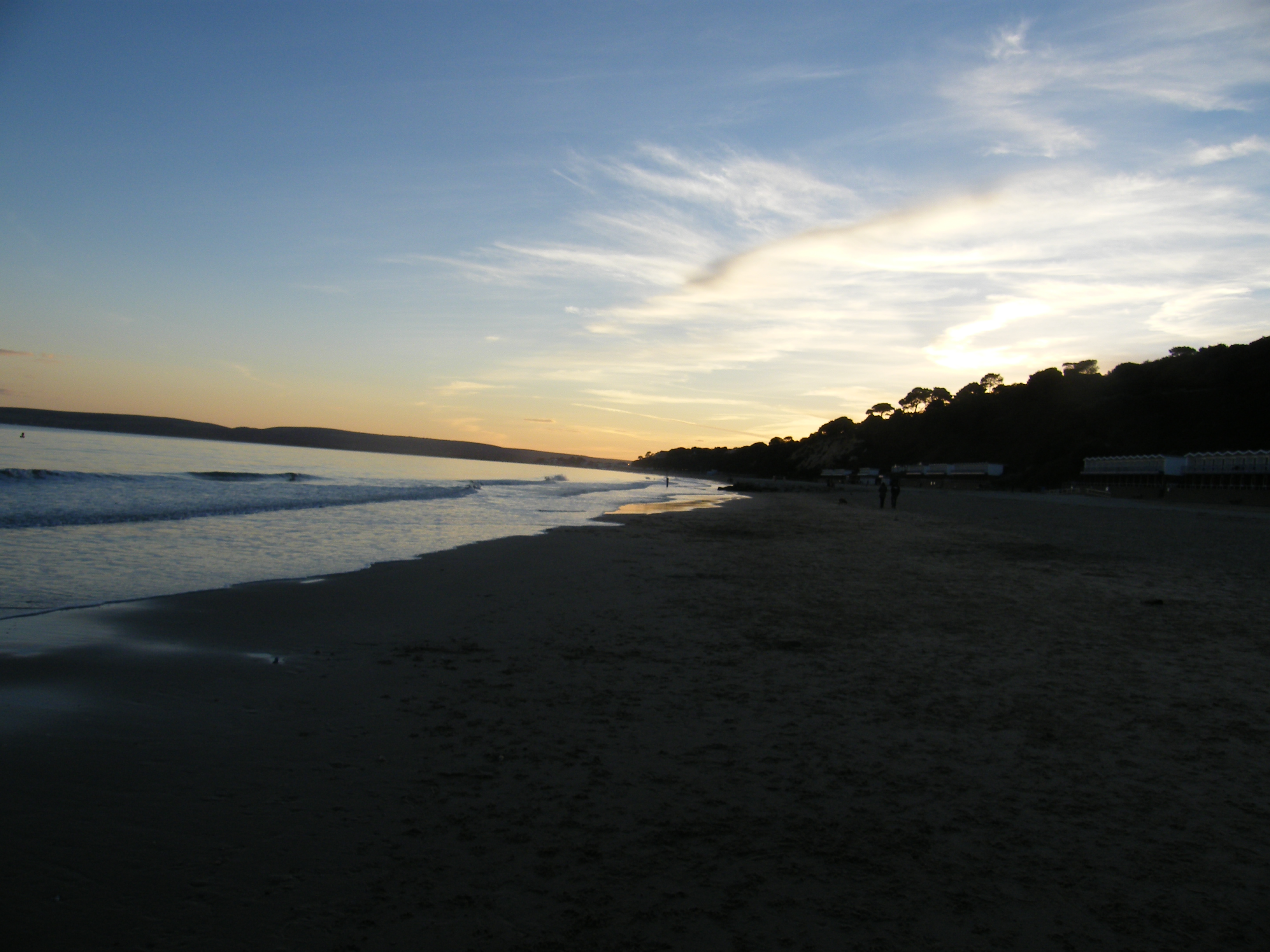
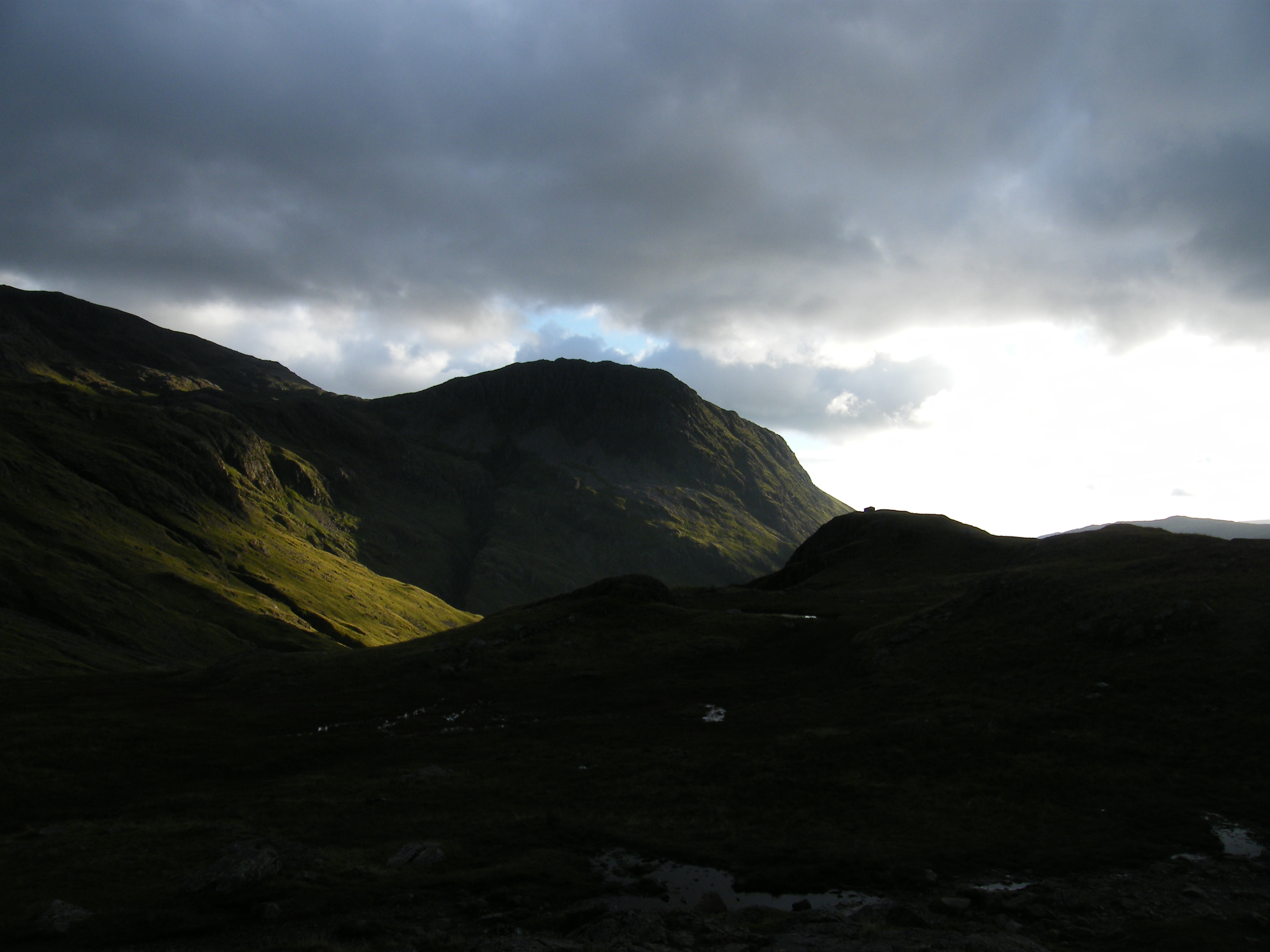
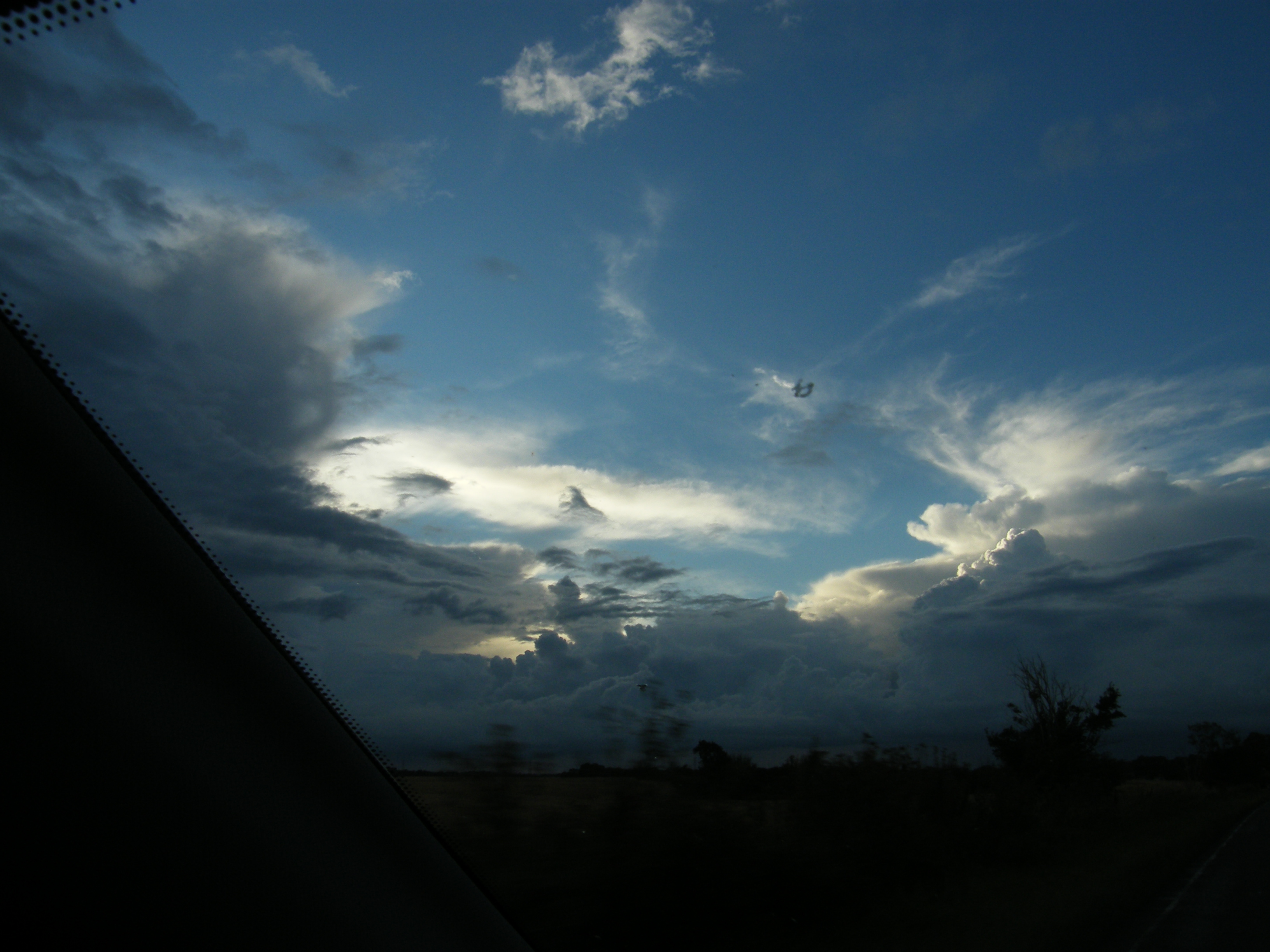
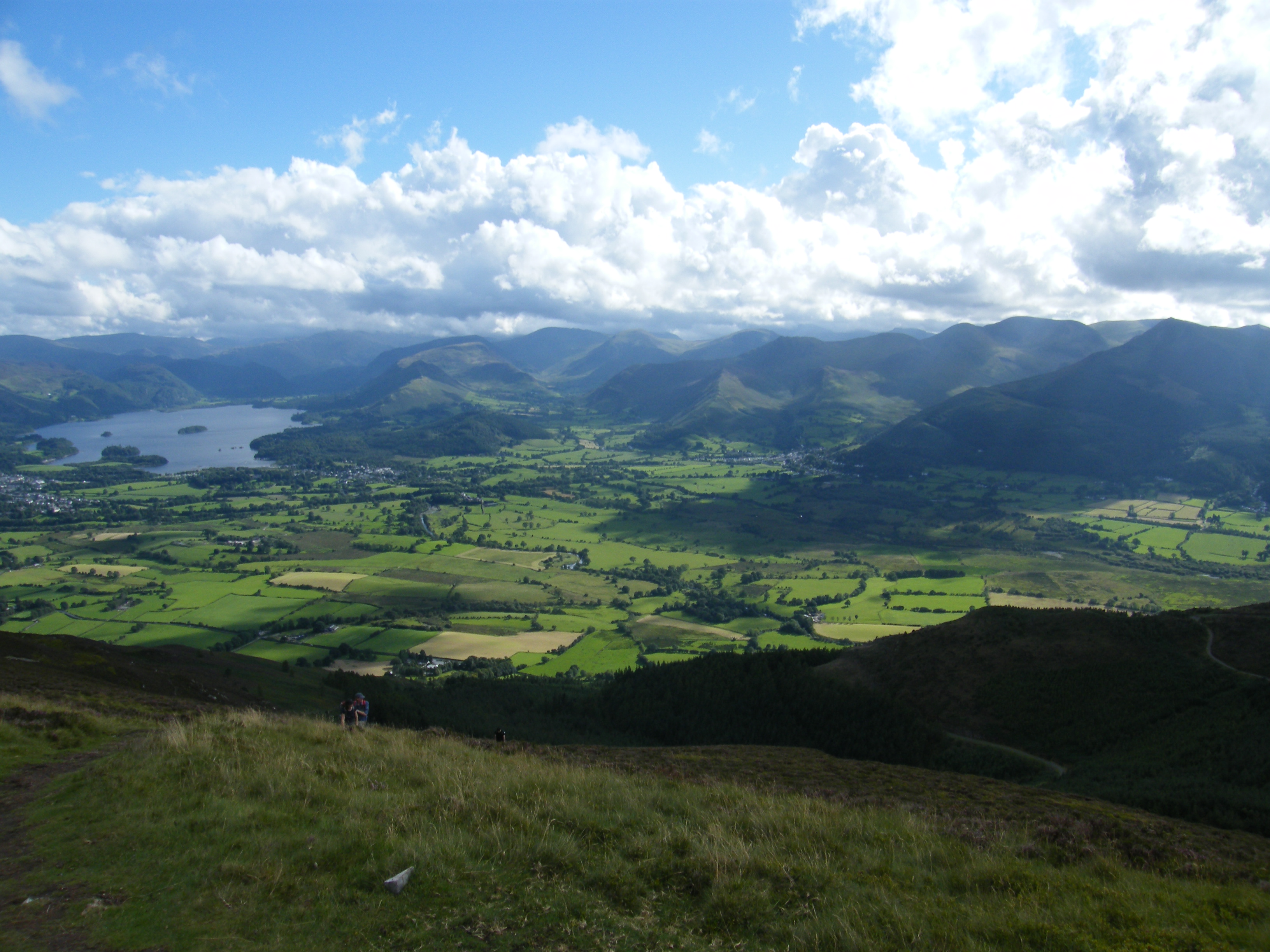







By Arran Wilkins © 2021


Blue and Gold Clouds
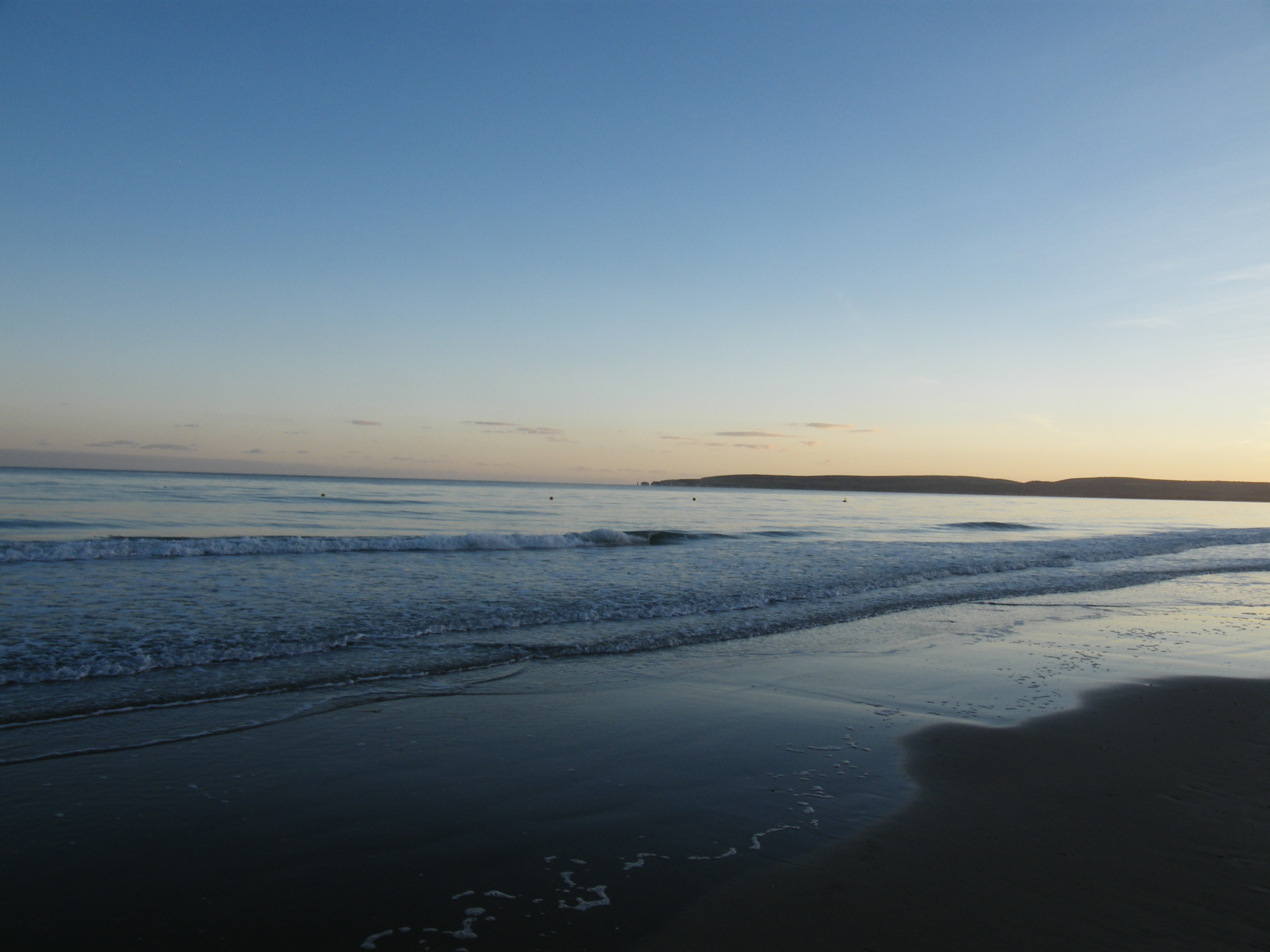
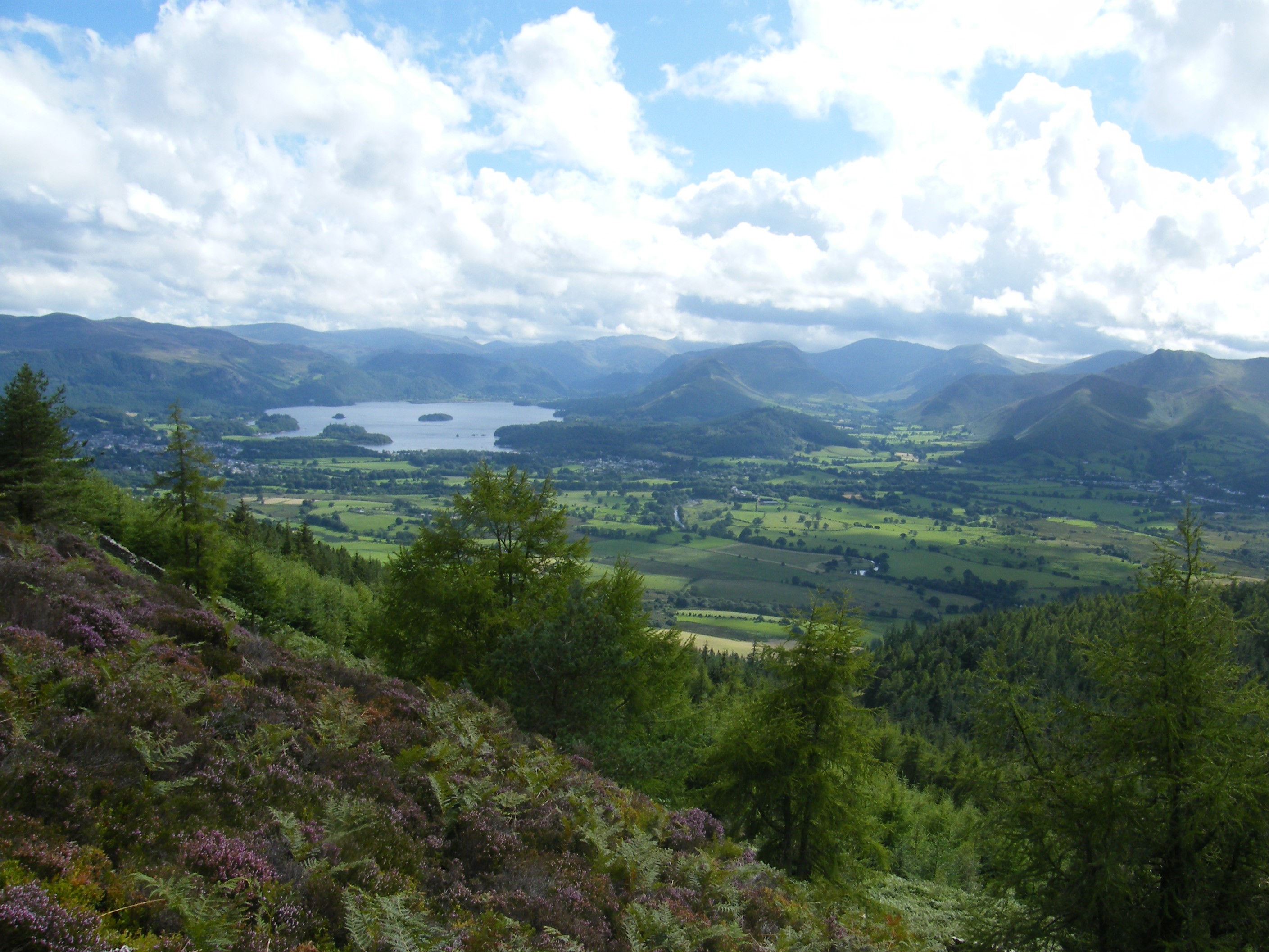
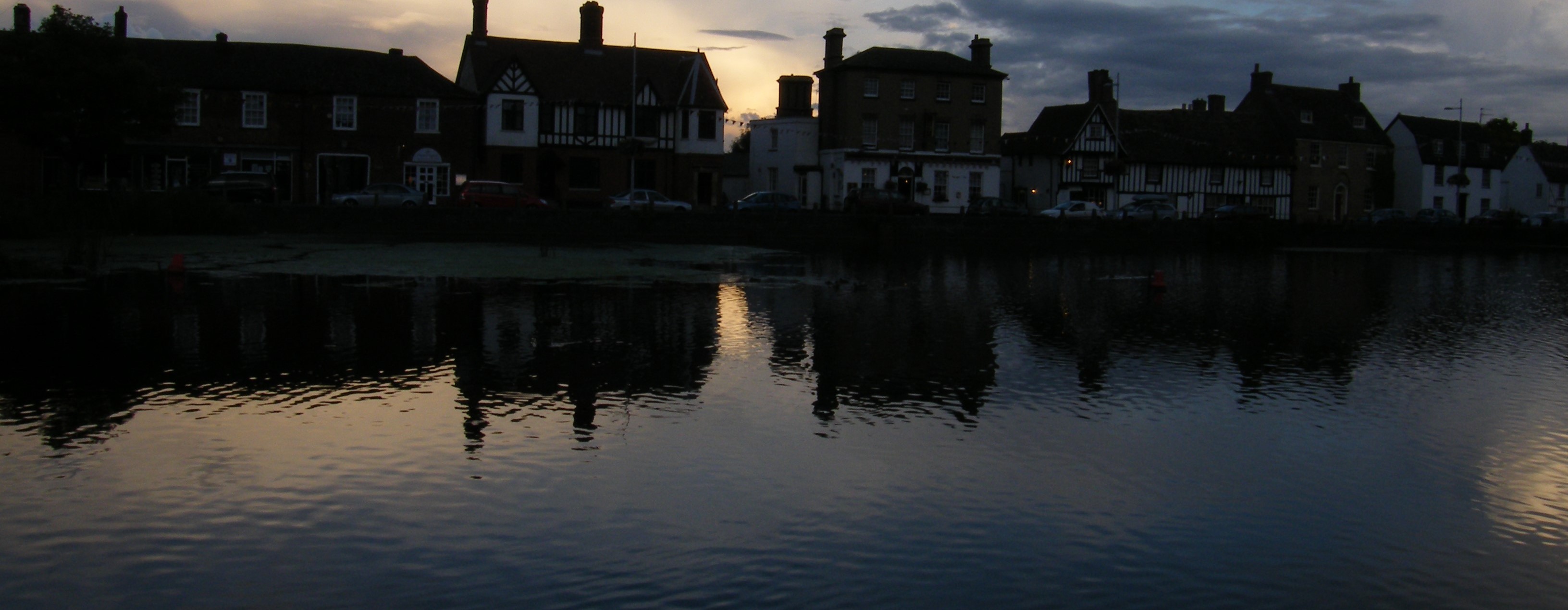
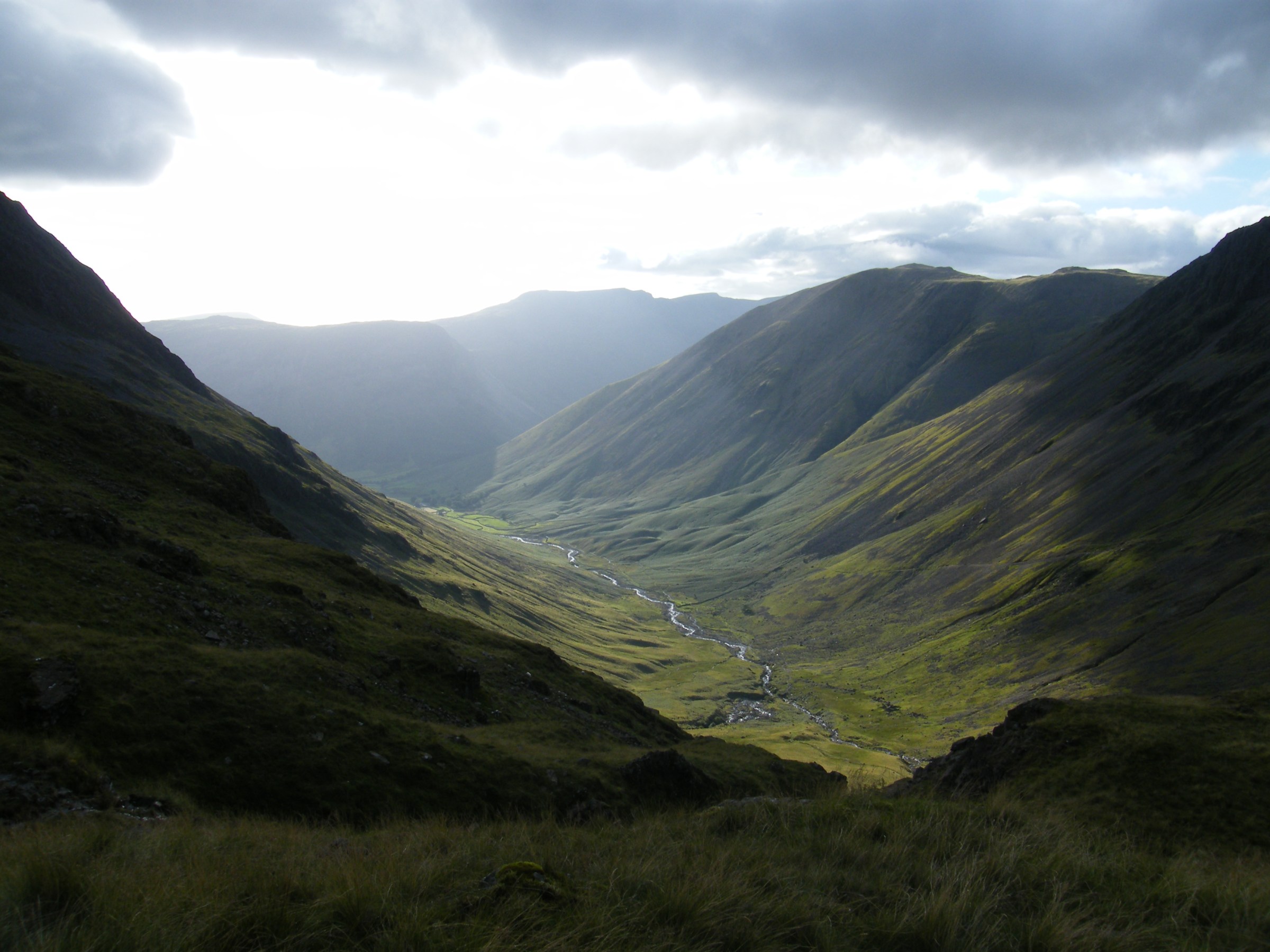
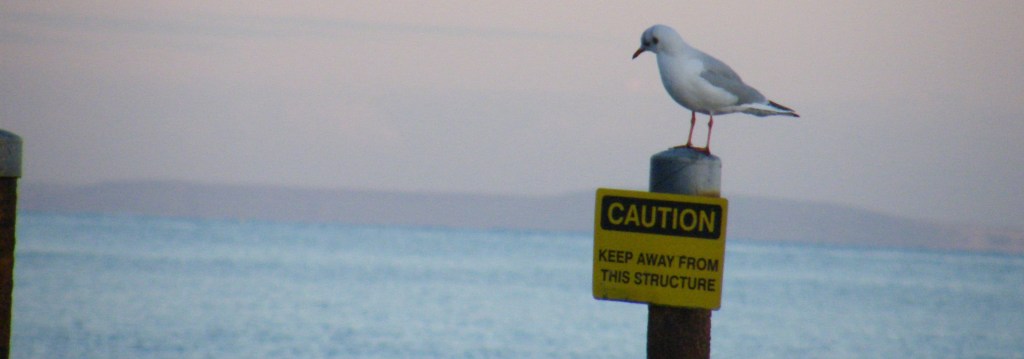
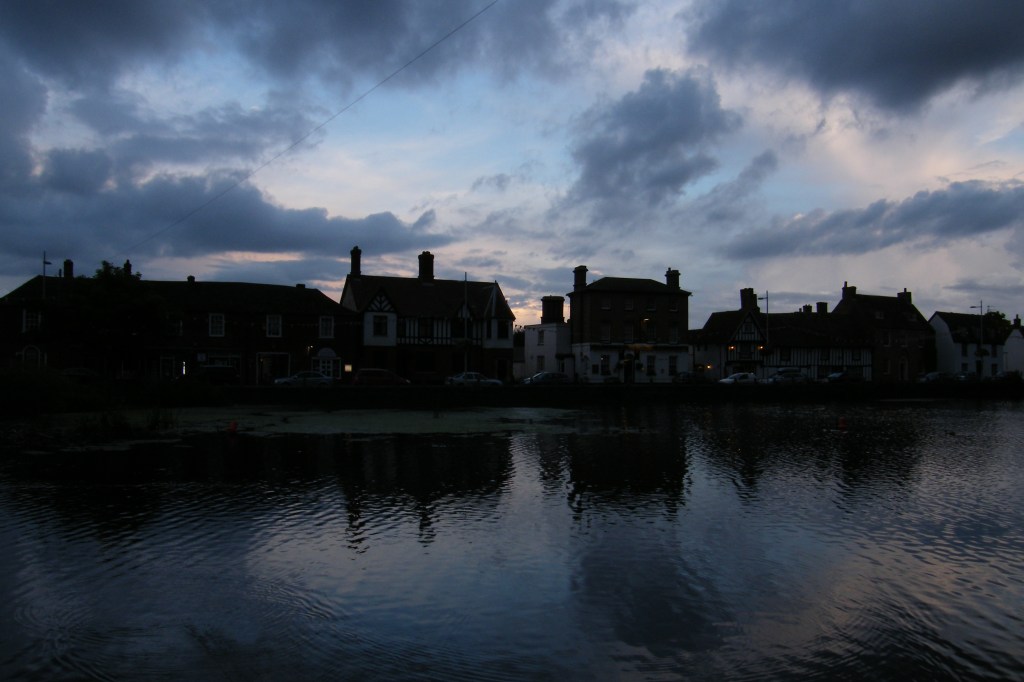
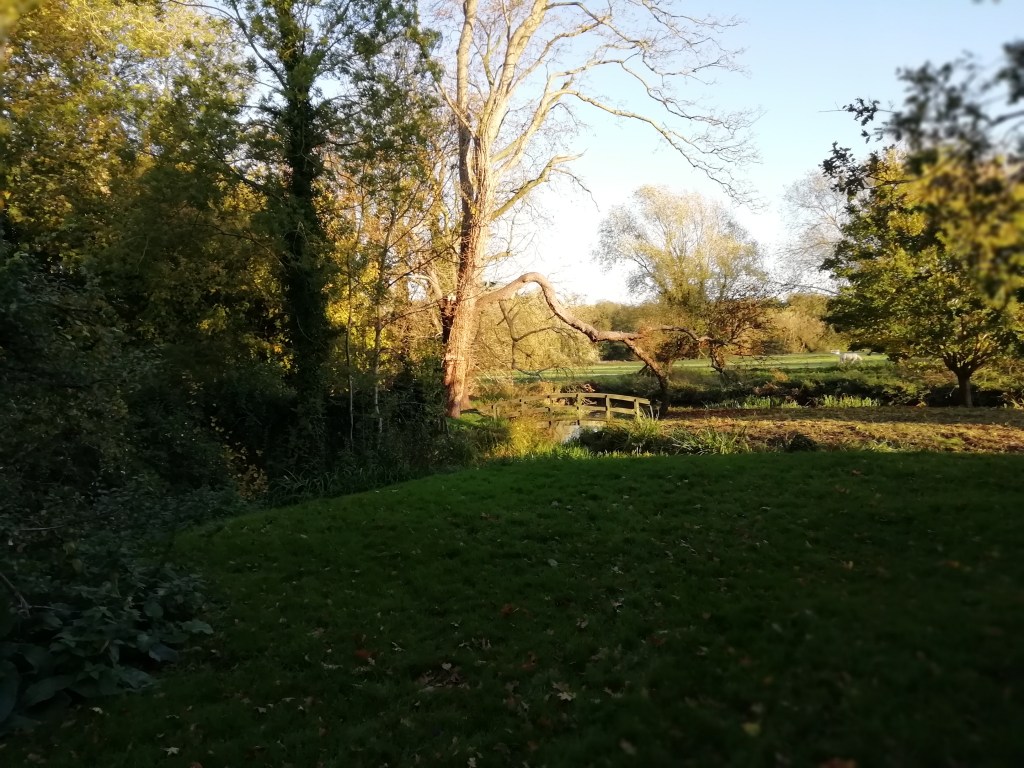
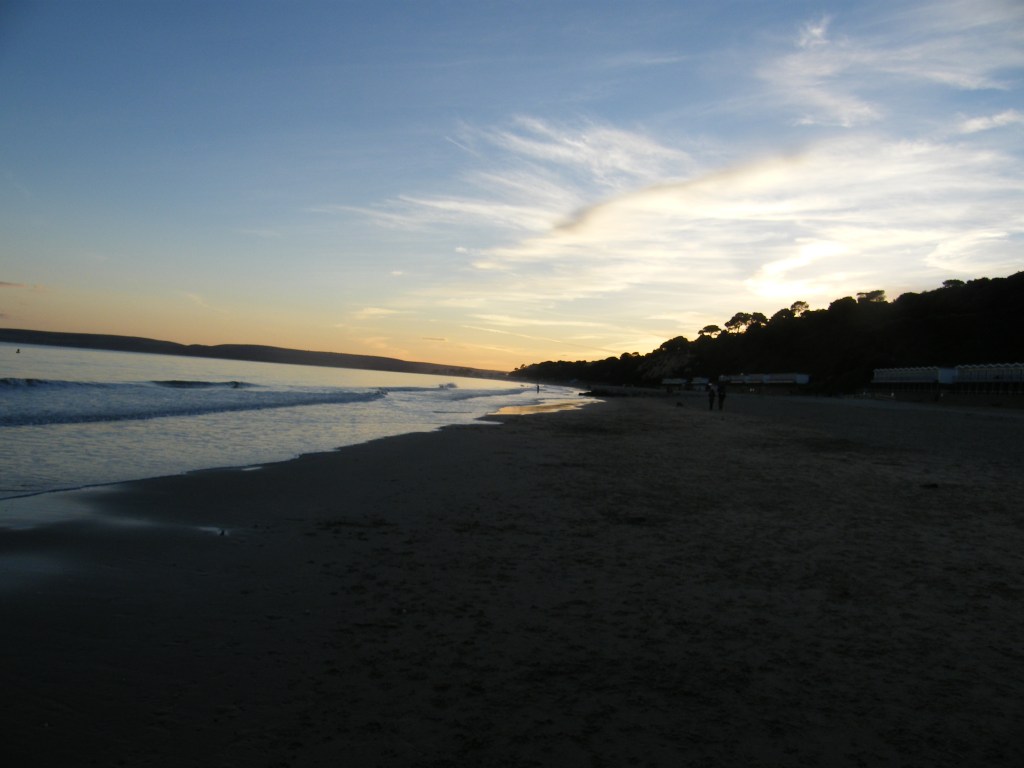
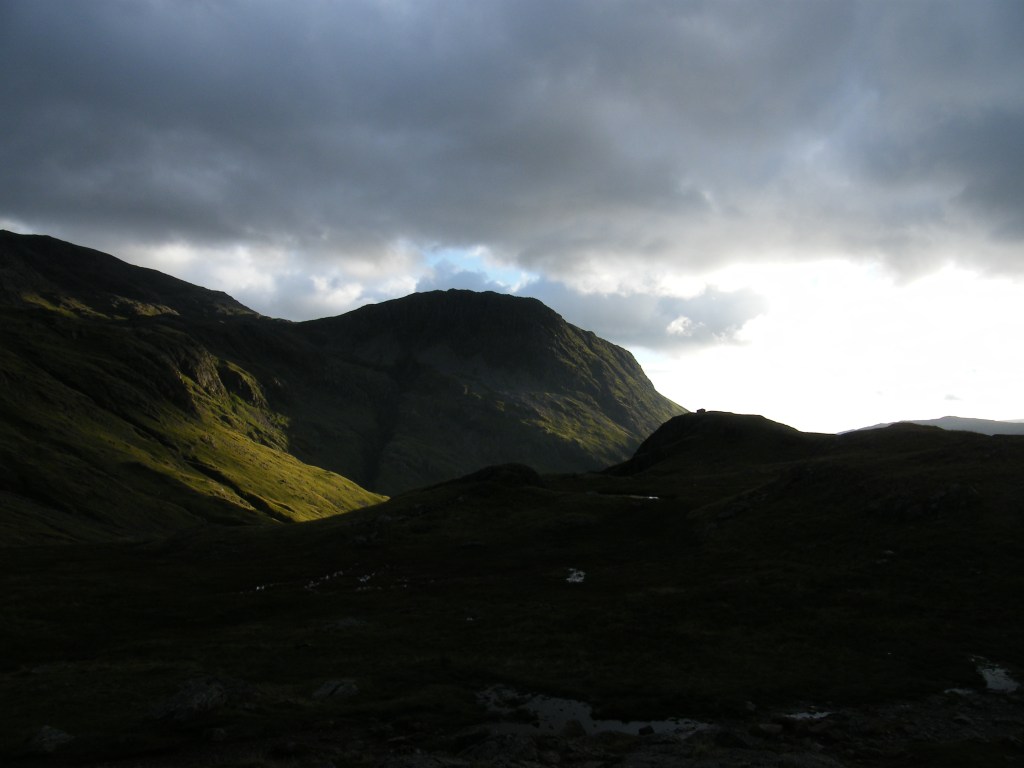
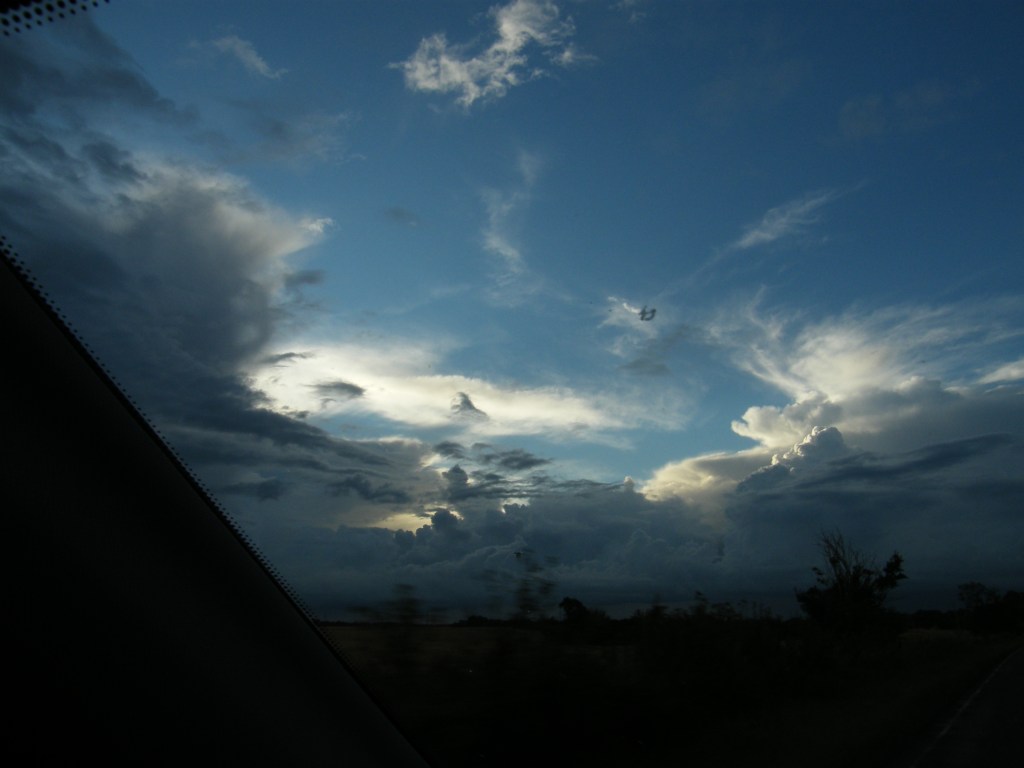
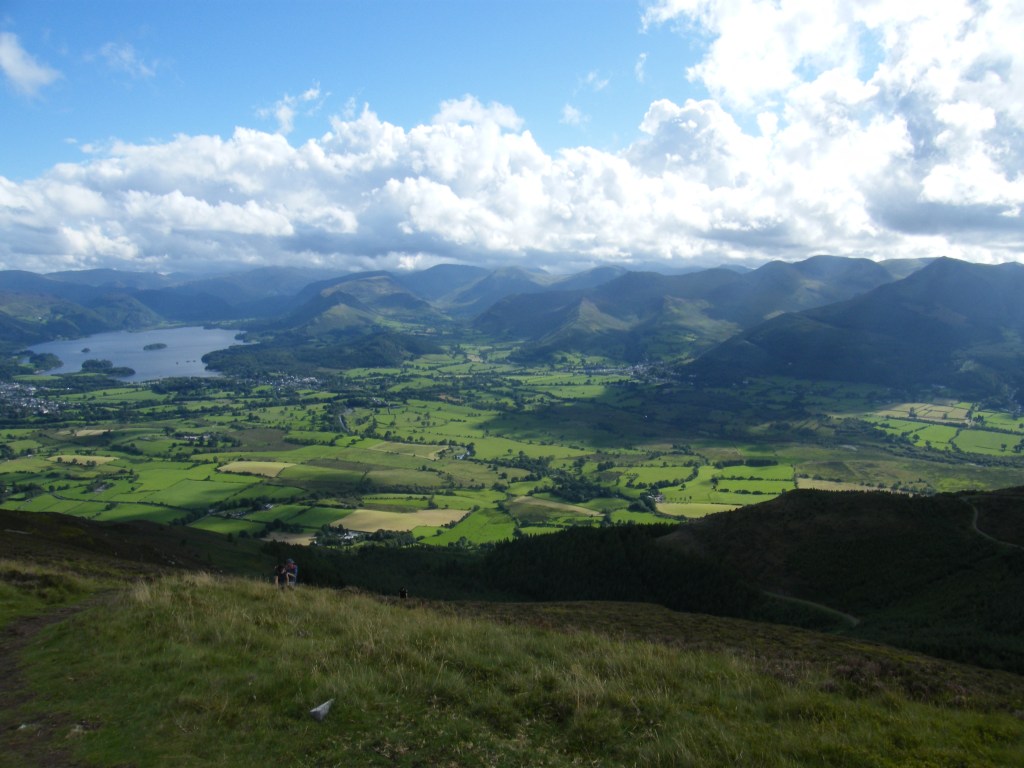
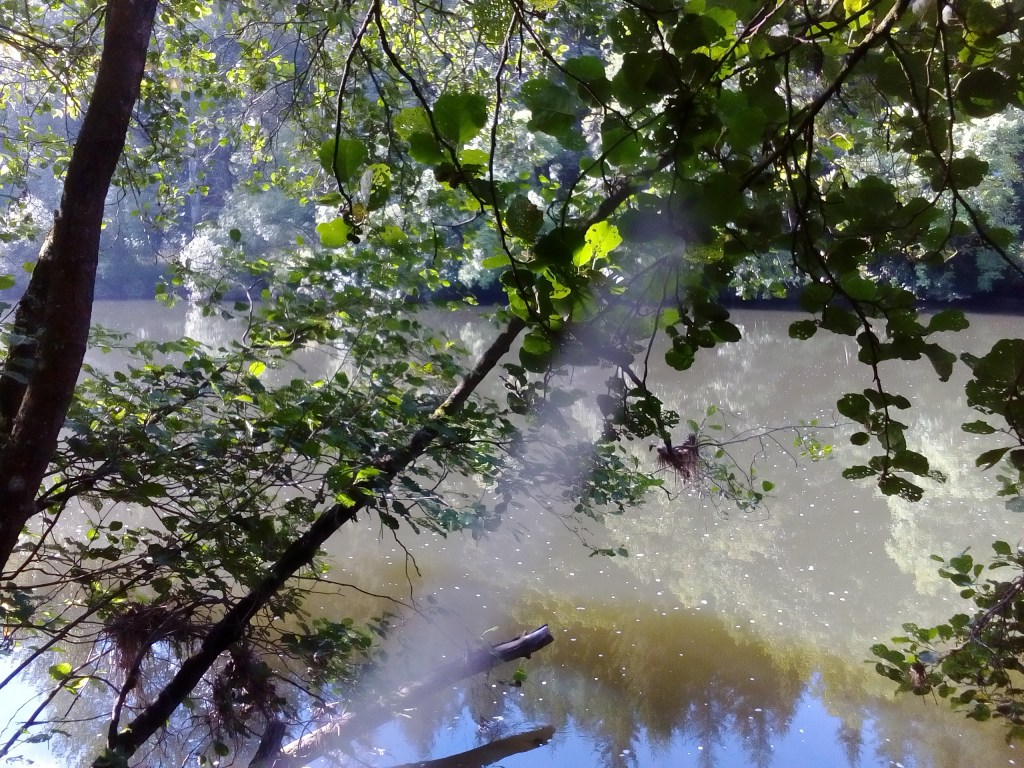
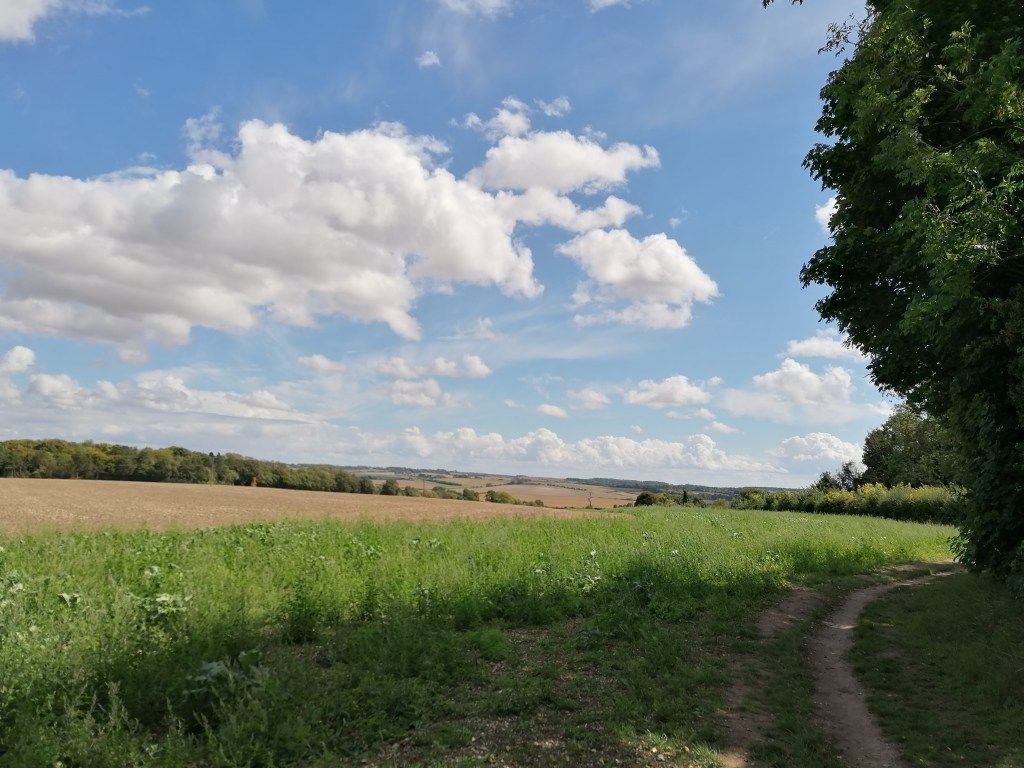
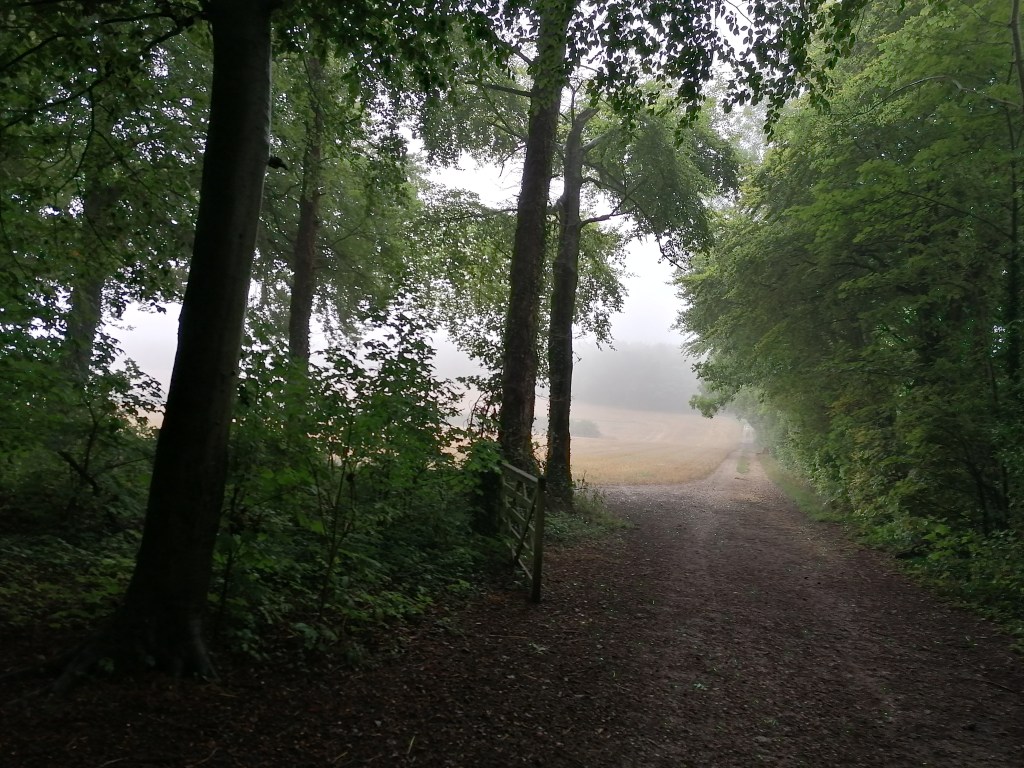
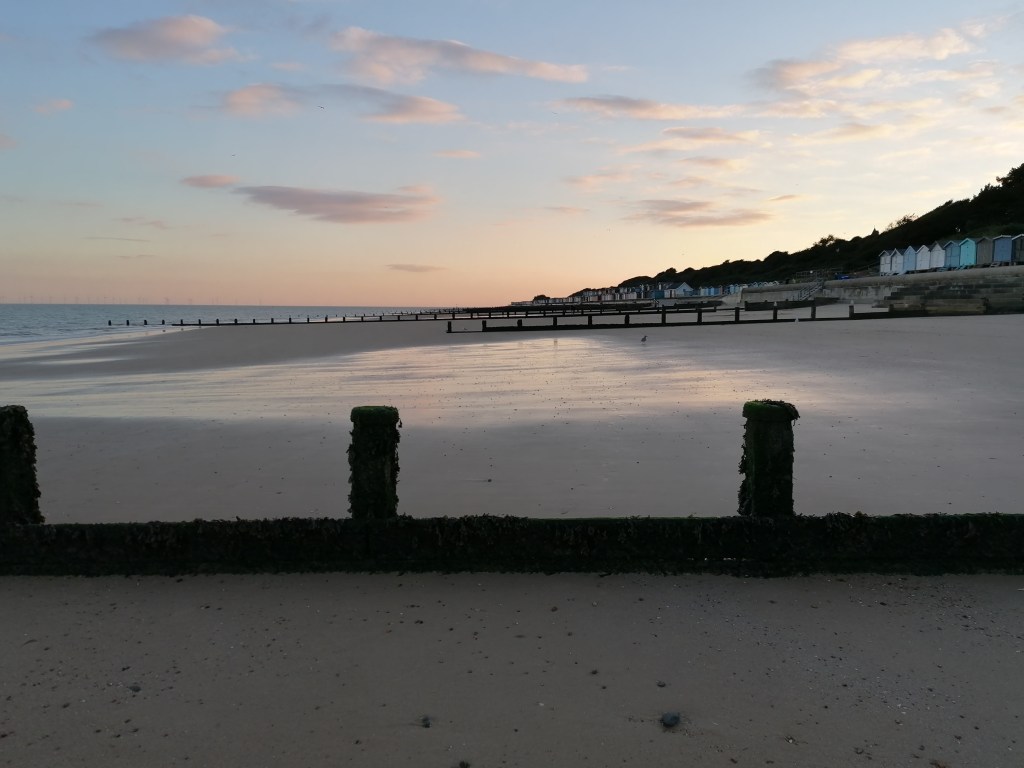
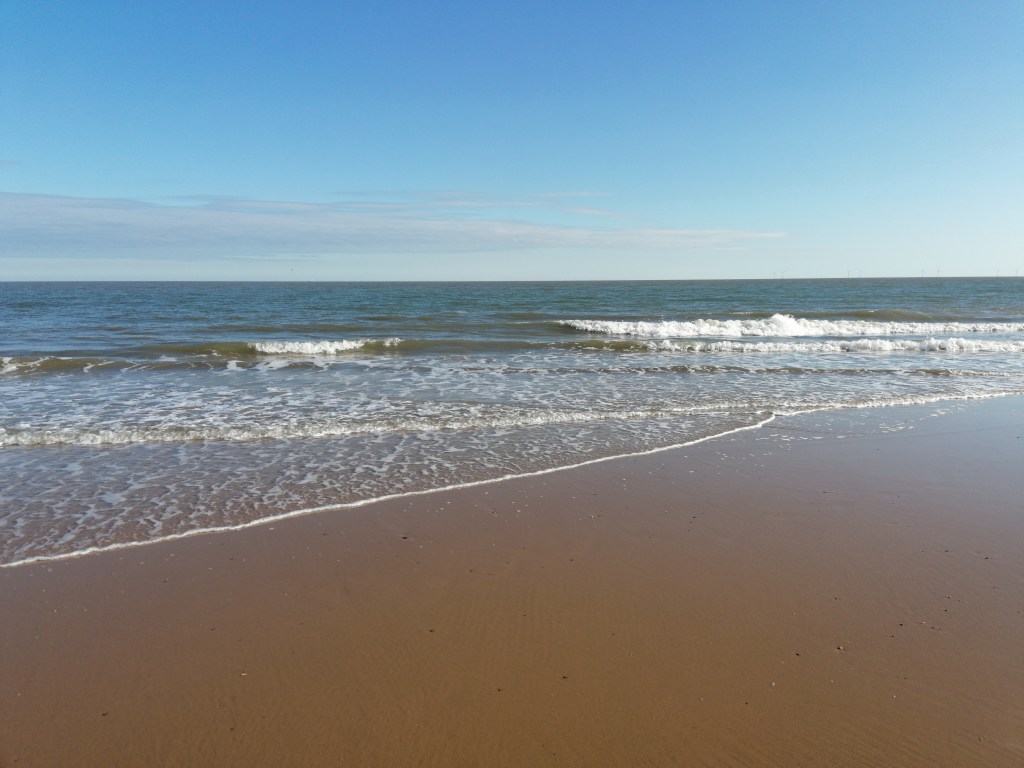
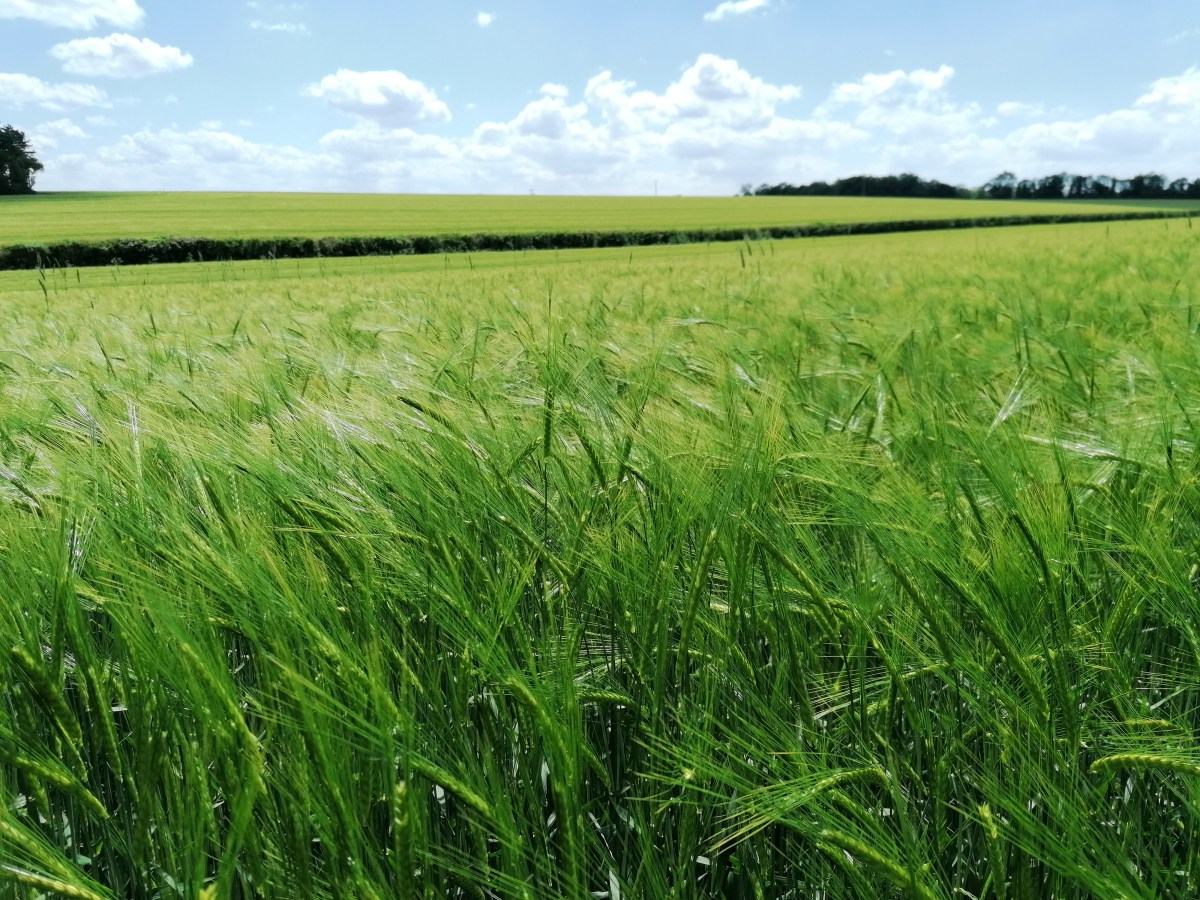
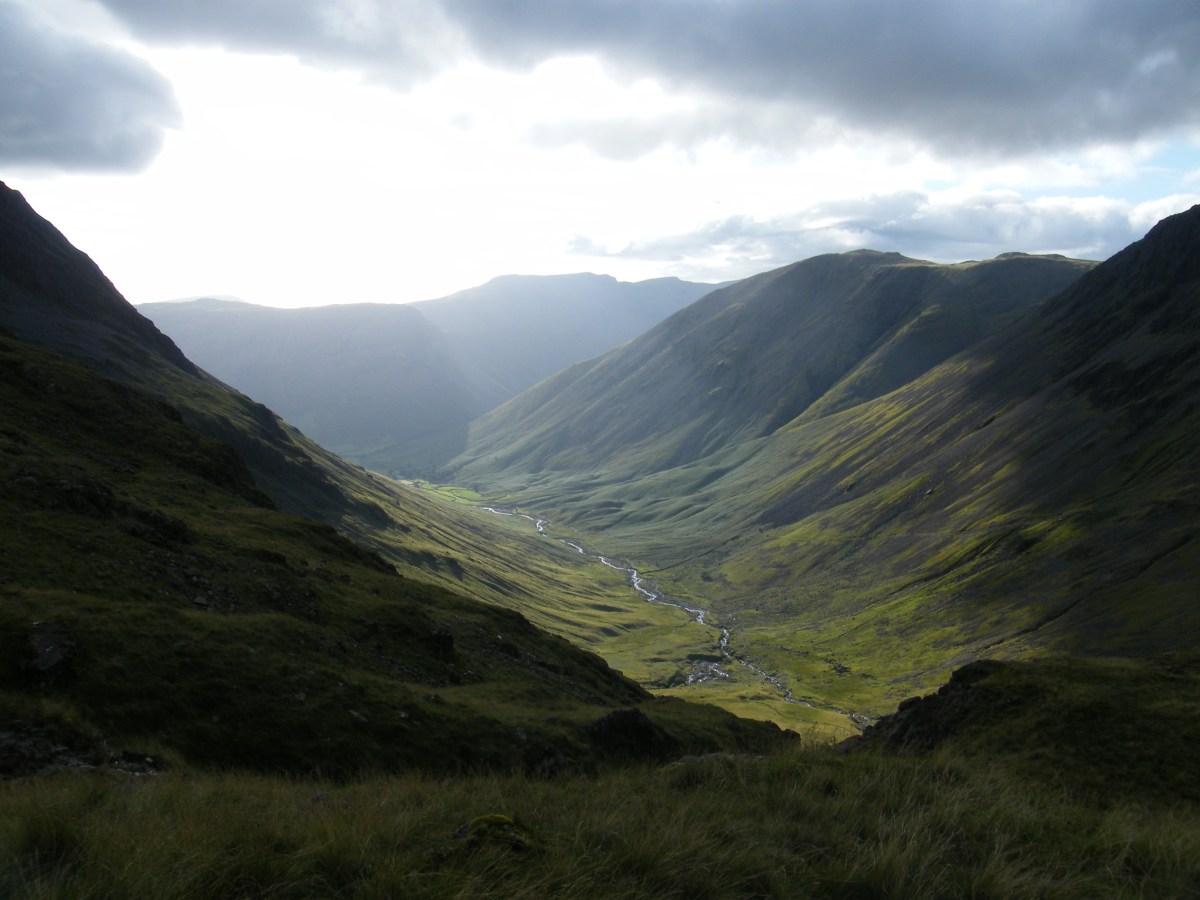
There is a field that I walk around and occasionally I notice a scene of great beauty.



Something went wrong. Please refresh the page and/or try again.
By Arran Wilkins © 2021
There is a field that I walk around and occasionally I notice a scene of great beauty.
Something went wrong. Please refresh the page and/or try again.







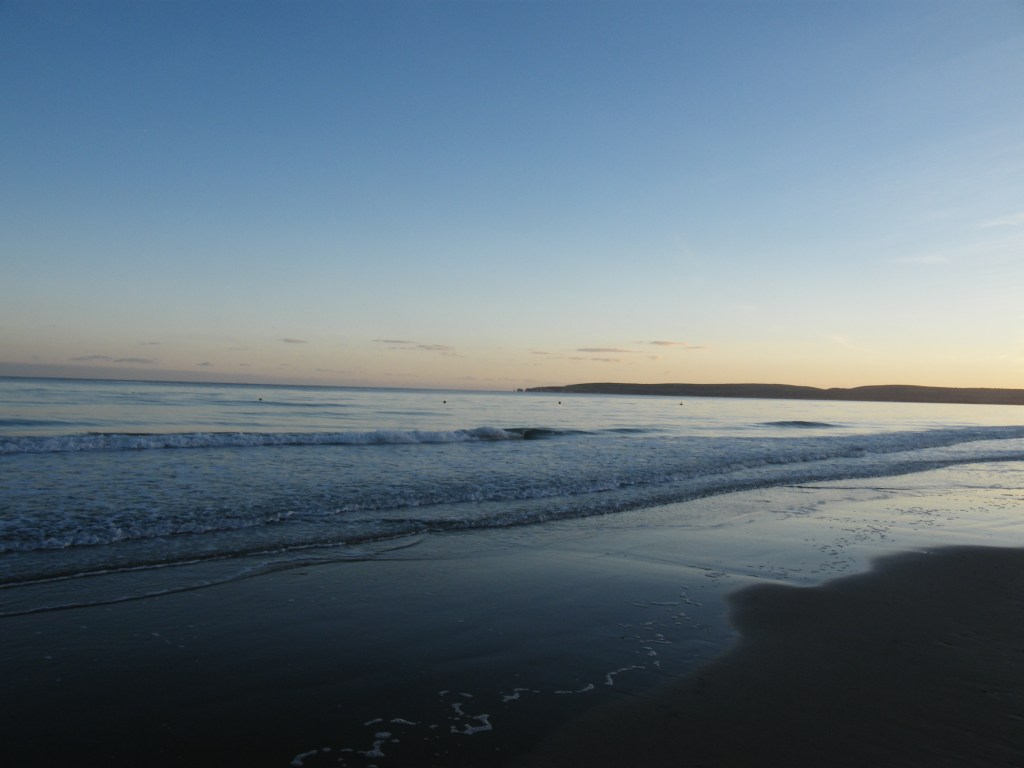
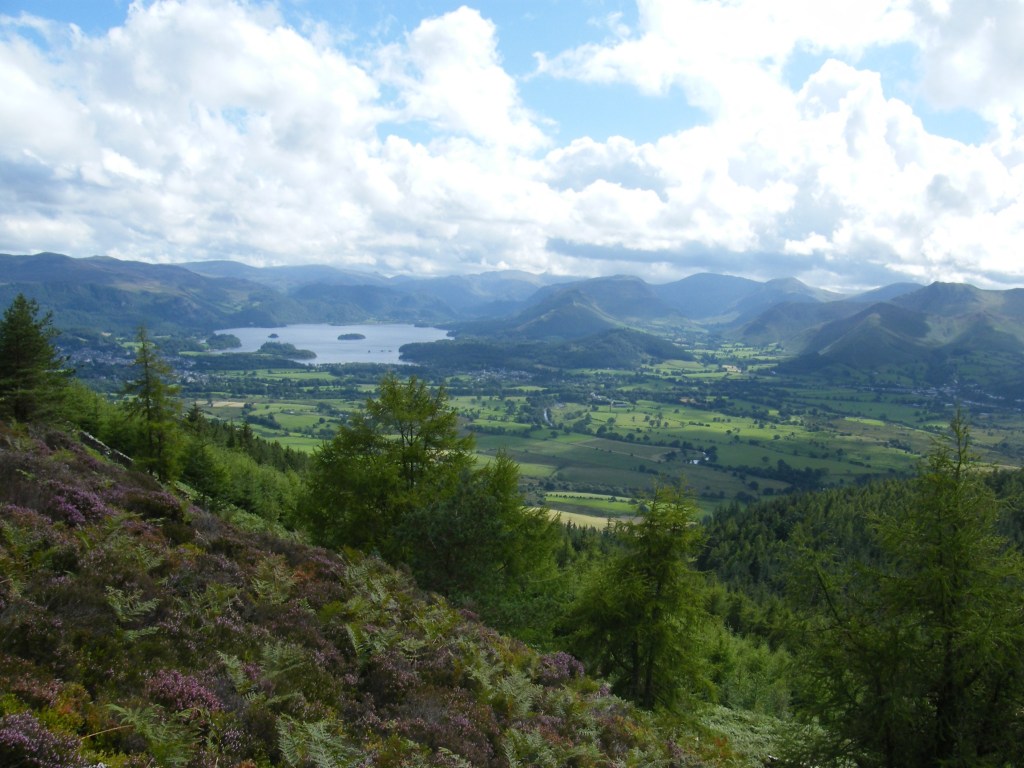


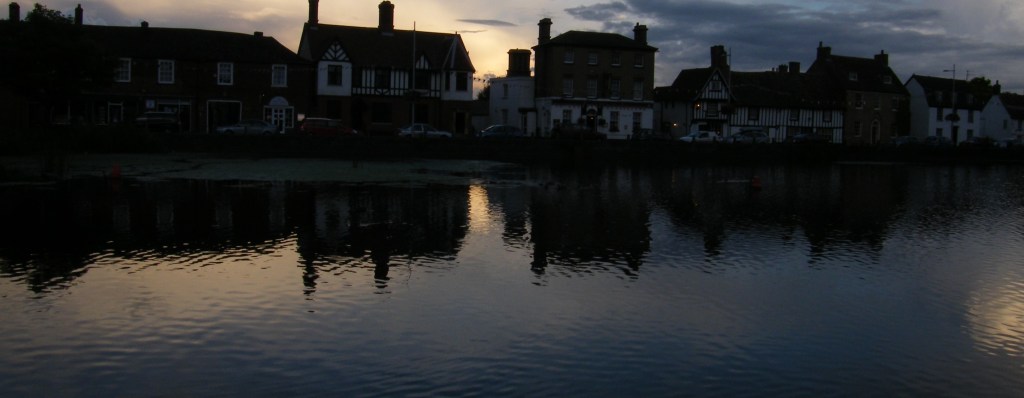

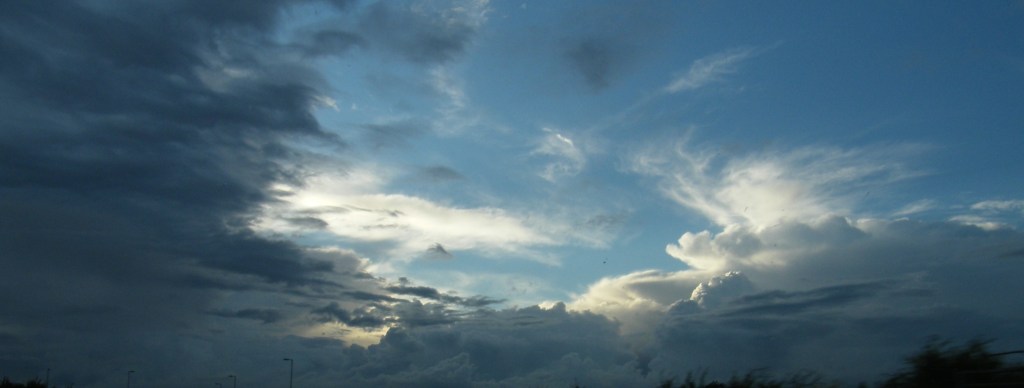






























































By Arran Wilkins © 2022
by Abwilkins
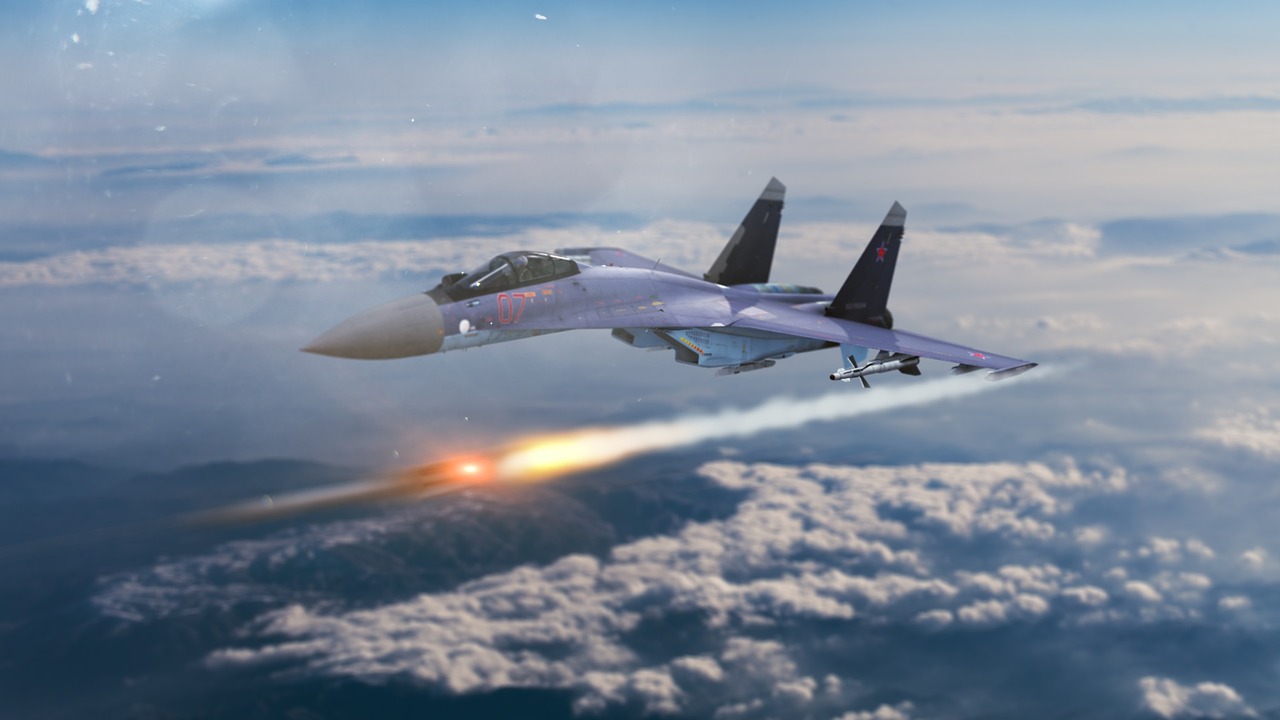
The West should send soldiers covertly to Ukraine to stop the Russian invasion. To avoid a nuclear war we should follow the Russian and Soviet examples of pretending they are nothing to do with us.
Russia has waged an undeclared war against Ukraine ever since their illegal annexation of Crimea in 2014. During the annexation, Russian forces simply removed all insignia to prevent themselves from being identified, becoming known as the little green men. To avoid armed conflict with Russia, Ukraine simply handed over Crimea without a fight. However, this just embolden President Putin.
Russian soon invaded eastern Ukraine, aiming to create a land bridge from Russia to Crimea. They manufactured a popular uprising of the Ukrainian people in eastern Ukraine to prevent Western intervention. Russia soldiers pretended to be Ukraine’s Separatists fighting against Kiev.
As a result of the manufactured uprising, Western Media were soon fooled into thinking that two tiny Ukraine provinces could fight off the entire Ukrainian army. They believed that a few thousand armed separatists could go head to head in open combat with Ukrainian tanks and aircraft. That somehow a highly trained and equipped army just appeared? With the ability to shoot down modern airlines? Who else other than the Russian military had such equipment and training?
It is therefore not hard to see how the Russians believed that Western media would be deceived into thinking the recent full-scale invasion of Ukraine was a peacekeeping mission. It would be more accurate to call it an escalation of the war that started back in 2014.
This would not be the first time that Moscow has used this method. In the Korean War, Soviet fighter pilots secretly shot down Western aircraft over the skies of North Korea. They were disguised as Chinese or North Korean aircraft to avoid a war breaking out between the nuclear powers.
This makes a complete mockery of President Biden’s refusal to send military aircraft to Ukraine. If the Americans acted just like the Russians, they would send American fighter aircraft, with American pilots pretending to be Ukrainians.
The danger of letting Putin conquer any part of Ukraine is far worse than any of his empty threats of nuclear war. Putin’s sole aim in threatening nuclear war is to deter the West from intervening. At the same time, he does not intend to destroy Russia in a nuclear war. Putin is a cold war warrior who wants to leave a legacy.
Putin’s grand aim is to restore Russian glory, by reincorporating the former territories of the Soviet Union, such as Ukraine. As such, he has called the collapse of the Soviet Union the greatest geopolitical catastrophe. 1 He might even go as far as believing that the former territories of the Warsaw Pact should come back under Russian influence.
If Putin succeeds in Ukraine, what’s to stop him from attempting further expansion? He could even attack one of the Baltic States, who were once a part of the Soviet Union and are currently NATO members. Will the West launch World War Three in their defence or just let them go? Which would mirror how Ukraine handed over Crimea to avoid war with Russia.
Alternatively, if Russia finds Western forces in Ukraine, would they launch World War Three? Putin would be at an impasse, he does not want nuclear war, but he cannot win if western forces remain in Ukraine. So what should he do? Easily, negotiate a face saving peace deal with Ukraine. After all, he is the only one who wants the war in the first place.
There is a common misconception that Putin has simply gone mad, since no rational person would ever want war. However, from the western viewpoint have Russian and Soviet leaders ever been sane? Soviet leaders were perfectly willing to invade allies in the Warsaw Pact that slightly deviated from Moscow’s line, such as Hungary and Czechoslovakia. Could you even imagine America invading France for similar reasons?
This is not the only historical precedent, as Russia ever since Tsarist times has tried to gain access to Ukraine’s warm water ports. Britain and France had to halt Russia’s expansion in the same area during the Crimean War of 1853-6. Who says history does not repeat itself! Although, can we avoid repeating the Charge of the Light Brigade?
1) Putin’s aim of reconstituting the Soviet Union is very similar to Hitler’s aim of reversing the Versailles Treaty. Germany was forced to sign the Versailles Treaty after its defeat in World War One. The Treaty forced Germany to handover territory to its next-door neighbours, pay reparations, demilitarise the Rhineland, accept war guilt and restricted the German military. The treaty was clearly too harsh on Germany, leading to popular resentment in Germany aiding Hitler’s rise to power.
2) Both Germans in the interwar period and Russians following the collapse of the Soviet Union had bad experiences with democracy and wished to return to traditional authoritarian rule.
The end of communism in Russia resulted in mass unemployment from uncompetitive industries going bust. Leading to a longing for the “good old days” of the Soviet Union.
Likewise, Germany went from being largely ruled by the Kaiser to a fully-fledged liberal democracy after World War One. Unfortunately, German democracy proved unable to keep Germany out of economic hardship, suffering both hyperinflation in 1923 and the Wall Street Crash in 1929. This led Germany to turn away from democracy and towards more extreme forces, such as the Nazis.
3) Both Putin and Hitler were and are willing to use military forces to achieve their territorial aims.
Hitler declared war on:
Putin:
You could argue that the American lead coalition invasion of Afghanistan and Iraq were just as bad.
However, America was acting in self-defence when it invaded Afghanistan following 9/11. The Taliban who were ruling Afghanistan, provided protection for Al Qaeda who had carried out 9/11.
4) War crimes is another similarity.
This includes growing evidence of large-scale atrocities committed by the Russian soldiers in Ukraine. The scale of civilian deaths are encroaching on gendercide, not to mention Russian shelling of residential areas with no military significance.
That said there is no clear evidence of who ordered all of the atrocities. It is possible that Russian soldiers carried out some of the war crimes on their own authority. However, the bombing of civilian areas can be laid squarely at Putin’s feet.
Western sanctions aim to harm Russia’s ability to wage war. However, given the privations people are willing to suffer during wartime, any confidence in sanctions are misplaced. Take the Blitz, where ordinary civilians were willing to risk life and limb to win the war. This is not to mention Russia’s vast quantities of natural resources meaning Russia is energy sufficient and large parts of Europe are dependent on Russian gas.
The difficulty with China is the following:
1) China is a growing economic superpower, on course to challenge US hegemony.
2) China is an authoritarian dictatorship, governed by the Chinese Communist Party.
3) China has two colonies in all but name, Hong Kong and Tibet, neither want to be under Chinese rule.
4) China has been persecuting minorities such as the Falun Gong and Weger Muslims, with little regard for human rights.
5) China has laid claim to the island of Taiwan and the South China Sea. Taiwan is technically a part of China, but is in fact a fully independent nation. If the Chinese Communist Party gets their way, Taiwan’s democracy will follow that of Hong Kong.
If China sees Russia getting away with using military force, they will be tempted to do the same against Taiwan. On the other hand, if they see Russia’s invasion failing they may think twice.
China therefore wants Russia to win, as it suits their own expansionist aspirations. As such, Chinese state run media has been following Russia’s line on the War being a special military operation.2 Even more worrying is the signing of a partnership with no limits between Russia and China.2 Let us hope this is not like the Molotov–Ribbentrop Pact of 1939, that divided Eastern Europe into Soviet and Nazis spheres of conquest.
We are heading for a new Cold War irrespective of whether our leaders like it or not. The West will soon have to contain Russian and Chinese expansion, just as we did during the Cold War. We can do it in either Ukraine or Taiwan, but the sooner the better.
By Arran Wilkins © 2022 (text only)
Landscapes
Russia has waged an undeclared war against Ukraine ever since their illegal annexation of Crimea in 2014.
The majority of students will be luckily if they earn anywhere near enough to pay back their loans.
Having a degree in the UK no longer means that you have opportunities denied to the bulk of the population.
Clarkson’s Farm is a blast of fresh air compared to The Grand Tour. There was no use of the same old jokes, with the same old set up.
I predict that we will reach 420 Covid deaths a day on average in the UK by winter.
Something went wrong. Please refresh the page and/or try again.
(1) Osborn, Andrew. And Ostroukh, Andrey. Reuters, Putin rues Soviet collapse as demise of ‘historical Russia’. Available at: https://www.reuters.com/world/europe/putin-rues-soviet-collapse-demise-historical-russia-2021-12-12/ [Accessed 8th April 2022].
(2) YouTube, CNN, Chinese state media pushes Putin’s lies about Ukraine invasion. (10th March 2022) Available at: https://www.youtube.com/watch?v=zCcpMOvoTWs [Accessed on 16th April 2022].
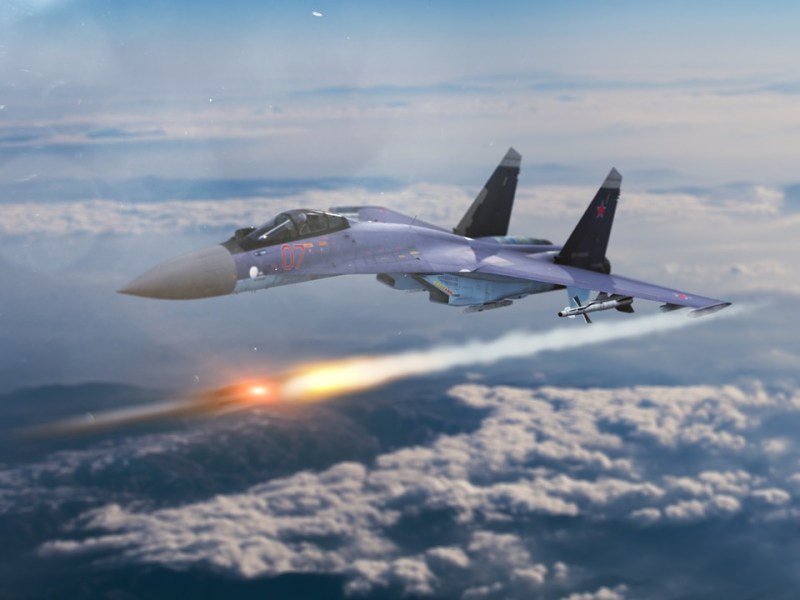
(Image) Netsyscom. Pixabay. Pixabay License. Available at: https://pixabay.com/photos/sukhoi-35-aircraft-russian-1880484/ [Accessed on 10th April 2022].

(Original published as part of “University is no longer a privilege, but the minimum qualification!“)
(Disclaimer: The information below may not be accurate, but is the best I could do.)
Tuition fees for UK students studying in the UK can cost anything up to £9,250 a year.7 This does not include paying for accommodation, living experiences and textbooks.7 It is estimated by Statista that students graduating in England in 2021 will have on averaged more than £45,000 worth of debt.2
Even if you only paid the tuition fees for a three-year degree course, you could be in debt by £27,750.
Some of these fees can be covered by loans from Student Finance England.8
If you are an English student starting university in the UK in 2021, you will be on repayment plan 2.4 You will pay 9% of your income, when you earn over £27,295 a year, £2,274 a month, or £524 a week.5 This loan is more akin to a tax than a traditional debt. The debt will be written off after 30 years from the April you were first due to repay.6
Therefore, with some simple math you can work out roughly what repayments you are likely to make: (Assuming the amount paid was never enough to pay back the loan.)
| Yearly earnings: | You would be over the repayment fresh hold by: | You would pay back per year: | Over 30 years you would pay back: |
| £25,000 | £0 | £0 | £0 |
| £30,000 | £2,705 | £243.45 | £7,303.50 * |
| £35,000 | £7,705 | £693.45 | £20,803.50 |
| £40,000 | £12,705 | £1,143.45 | £34,303.50 |
| £45,000 | £17,705 | £1,593.45 | £47,803.50 |
| £50,000 | £22,705 | £2,043.45 | £61,303.50 |
For larger figures, simply add:
| £5,000+ | £5,000+ | £450+ | £13,500 |
| £10,000+ | £10,000+ | £900+ | £17,000 |
Just to stand still you would have to earn enough to repay the interest on the loan.
Currently the interest on repayment plan 2 is calculated by combining the Retail Price Index and up to 3% interest. From the 1st September 2012 to the 30th September 2021, the interest applied for each year ranged from a low of 3.9% to a high of 6.6%.9
Assuming you only owned £27,295 in debt, you would have to make to stand still:
| If you take the interest to be: | You would have to repay per year to stand still: | You would therefore have to earn to stand still: |
| 3% (no Retail Price Index added) | £818.85 | £36,393.1/3 |
| 3.9% | £1,064.505 | £39,122.5/6 ** |
| 6.6% | £1,801.47 | £47,311.1/3 |
Whereas if you take the Statista estimated of £45,000 worth of debt you would have to pay back:2
| If you take the interest to be: | You would have to repay per year to stand still: | You would therefore have to earn to stand still: |
| 3% | £1,350 | £42,295 |
| 3.9% | £1,755 | £46,795 |
| 6.6% | £2,970 | £60,295 |
(These calculations assume the same yearly earrings over the 30-year period.)
If your debt is £27,295:
| If you take the interest to be: | You would have to earn per year over the next 30 years to pay off your student debt is: |
| 3% | £41,953.23/54 |
| 3.9% | £43,318.19/108 *** |
| 6.6% | £47412.23/54 |
If your debt is £45,000:2
| If you take the interest to be: | You would have to earn per year over the next 30 years to pay off your student debt is: |
| 3% | £51,461.2/3 |
| 3.9% | £53,711.2/3 |
| 6.6% | £60,446.2/3 |
The simple answer is for most students is no.
The majority of students will consider themselves luckily if they earn anywhere near enough to pay back their loans. Since according to the UK government’s own figures for 2019, the median salary for graduates was only a round £35,000.10 This would leave the median student somewhere between £8,318 and £25,446 short per year of repaying their student loans.
This before you take into effect that this figure is an average over entire lifetime and that graduates from the 1980s should earn more. According to government’s Graduate outcomes for 2018-9, Median graduate earnings was only £24,500 three years after graduating rising to £31,100 after 10 years.11 It pretty clear that the majority of graduates will fail to pay off their student loans.
I think the government will come to regret this deal when student debt is written off. The authors of this agreement are probably hoping to be long dead by the time this come to light.
By Arran Wilkins © 2021 (text only)
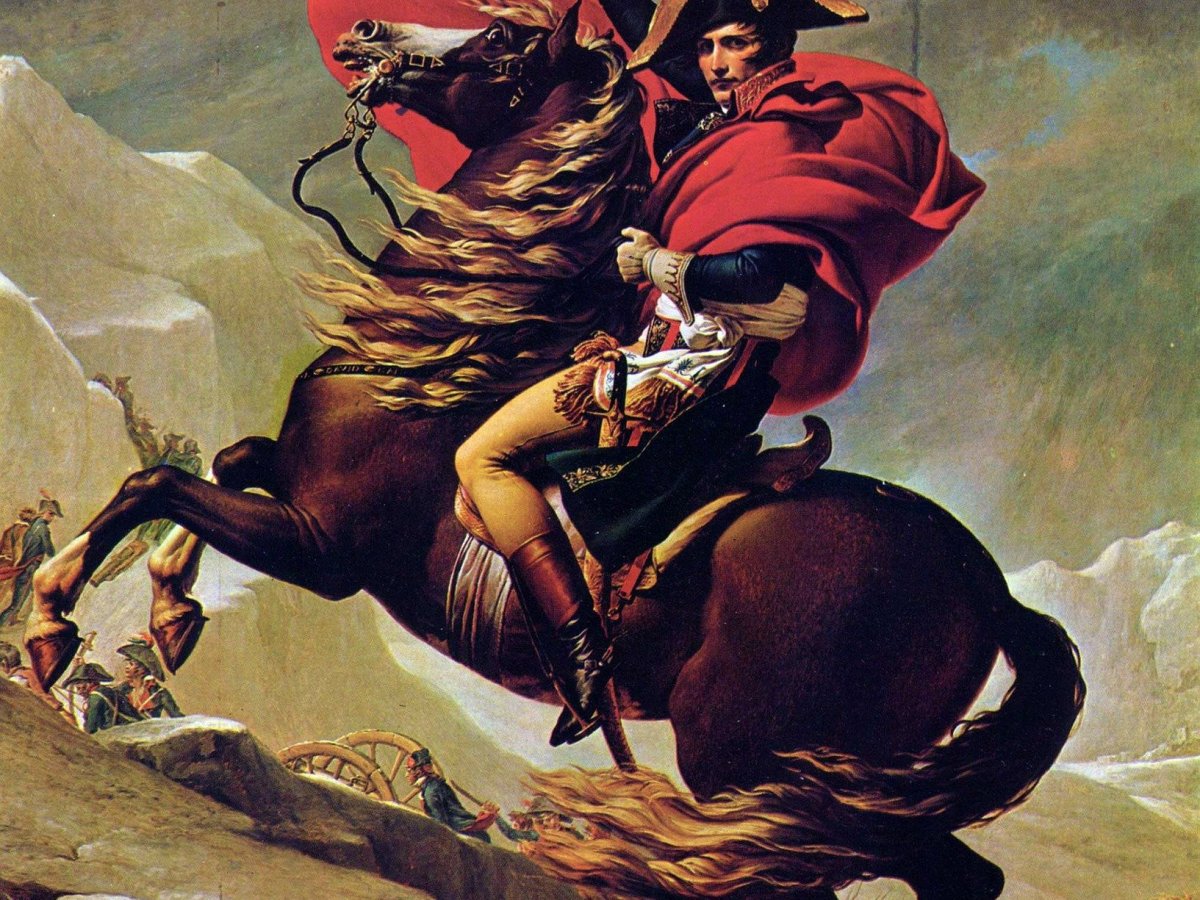
I have been looking for an audiobook that explains the Napoleonic period. So I tried Andrew Roberts’s epic, Napoleon the Great.
When you search for anything to do with social media marketing, you will notice the abundance of three-hour audiobooks.
The pandemic has proven that many types of office work can be done from anywhere. However many companies are now demanding people to return to the office.
Since Astrophage is so similar to earth life, being made largely of water. Especially with so many scientists working on the Astrophage problem.
They follow a main character on a space adventurer battling against the odds to save themselves or the human race, after becoming lone survivors.
Follow Hornblower, as he rises through the ranks of the Royal Navy, with many perilous encounters along the way.
Something went wrong. Please refresh the page and/or try again.
* Equation: £30,000 (earning) – £27,295 (repayment fresh hold) = £2,705 (taxable amount) divided by 100 times by 9= £243.45 (amount repaid) times by 30 (years) = £7,303.50 (repayment over 30 years)
** Equation: £27,295 (debt) divided by a 100 times by 3.9 (interest) = £1,064.505 (repayment) divided by 9 times by 100= £11,827.5/6 (amount need) + £27,295 (repayment fresh hold) = £39,122.5/6 (earning)
*** Equation: £27,295 (debt) divided by 30 (years) = £909.5/6 (yearly repayments) divided by 9 time 100 = £10,109.7/27 + £27,295 (repayment fresh hold) + £5,913.11/12 (£11,827.5/6 interest (see interest answer) divided by 2 (interest reduction over time)) = £43,318.19/108 (earnings to repay student loan per year)
(2) Clark, D. statista, Higher education in the UK – statistics & facts. Available at: https://www.statista.com/topics/6938/higher-education-in-the-uk/#dossierKeyfigures [Accessed on 14th November 2021].
(4) GOV.UK, Repaying your student loan. Which repayment plan you’re on. Available at: https://www.gov.uk/repaying-your-student-loan/which-repayment-plan-you-are-on [Accessed on 15th November 2021].
(5) GOV.UK, Repaying your student loan. When you start repaying. Available at: https://www.gov.uk/repaying-your-student-loan/when-you-start-repaying [Accessed on 15th November 2021].
GOV.UK, Repaying your student loan. How much you repay. Available at: https://www.gov.uk/repaying-your-student-loan/what-you-pay [Accessed on 15th November 2021].
(6) GOV.UK, Repaying your student loan. When your student loan gets written off or cancelled. Available at: https://www.gov.uk/repaying-your-student-loan/when-your-student-loan-gets-written-off-or-cancelled [Accessed on 15th November 2021].
(7) UCAS, UNDERGRADUATE TUITION FEES AND STUDENT LOANS. Available at: https://www.ucas.com/finance/undergraduate-tuition-fees-and-student-loans#how-to-apply-for-a-student-loan [Accessed on 15th to 16th November 2021].
(8) GOV.UK, Student finance. New full-time students. Available at: https://www.gov.uk/student-finance/new-fulltime-students [Accessed on 15th November 2021].
GOV.UK, Student finance. Eligibility. Available at: https://www.gov.uk/student-finance/who-qualifies [Accessed on 15th November 2021].
(9) GOV.UK, How interest is calculated – Plan 2. Available at: https://www.gov.uk/guidance/how-interest-is-calculated-plan-2 [Accessed on 17th November 2021].
(10) GOV.UK, Reporting Year 2020: Graduate labour market statistics. (Explore education statistics, 2021) Available at: https://explore-education-statistics.service.gov.uk/find-statistics/graduate-labour-markets [Accessed on 14th January 2022].
(11) GOV.UK, Tax Year 2018-19: Graduate outcomes (LEO). (Explore education statistics, 2021) Available at:
https://explore-education-statistics.service.gov.uk/find-statistics/graduate-outcomes-leo/2018-19#releaseHeadlines-tables [Accessed on 14th January 2022].
(Image) IdaT. Pixabay. Pixabay License. Available at: https://pixabay.com/photos/library-books-bookshelves-bookcases-5612441/ [Accessed on 15th November 2021].

+ debt, learning, politics, student, university
by Abwilkins
Having a degree in the UK no longer means that you have opportunities denied to the bulk of the population. With many graduates finding themselves shelf staking, long after they have graduated.
Conversely, unless your dream job is to work for minimum wage, you will still need a degree. Since many jobs will simply reject your job application out of hand, as you do not have a degree.
This does not apply to you if you are an entrepreneur, since you are not competing in the jobs market.
In the past, going to university was a good bet, but everything has changed.
In the 1980s, only 15% of young people where in education or training after turning 18.1 Simply by being in this group you would have stood out from the crowed at any job interview. Just image answering the common interview question of:
“Why should we hire you?“
And answering with the following:
“I have a Degree“
And landing the job, simply because you have a degree, any degree.
Nowadays thing are completely different. As according to the Office for National Statics in 2017, 42% of those aged 21 to 64 and not in education had a degree.12 With degrees no longer being that scares, you can no longer stand out from the crowed for having a degree. Even when it comes to applying for shop jobs, some of your competitors will have degrees. Therefore, the correct answer to the question should be:
I have a Degree and [insert something to make you standout]
This still might not be enough to land you the job. The degree has really become a lottery ticket.
This phonon is call Degree Inflation. Since if everyone has a degree, then no one stands out for having a degree.
Many of them are from older generation who climb the career ladder before Degree Inflation took hold. They passed their A levels in the 1980s, back when qualifications really meant something, and never looked back.
Others have just gotten lucky and found a career route that does not require a degree. Alternatively, they have found ways of standing out that even the lack of a degree cannot demolish. If you one of these people please let me know your secret in the comments!
The rising number of graduates has resulted in a vicious cycle, which I like to call the graduate trap:
Very soon, if not already, all reasonable jobs will be requiring degree level qualifications.
To make use of your degree you will need to have relevant work experience or good connections. This has resulted in tough competition for work experience, let alone the job itself. With many companies’ offering low wage internships and unpaid volunteering instead of well-paying jobs. As why should they pay decent wages when they can have unpaid volunteers do it? That said, not all internship are like this, with many generally trying help people into a comparative career.
In some sectors, competition is so tough you cannot even volunteer for free!
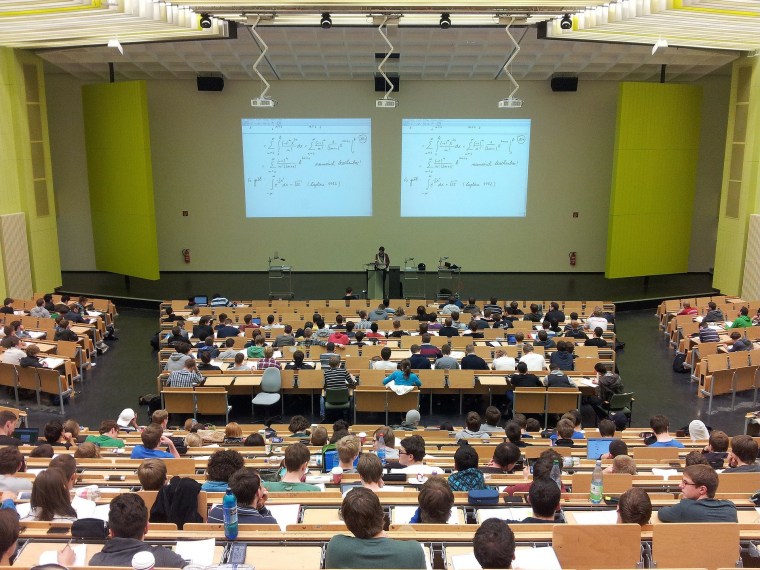
(Disclaimer: The information below may not be accurate, but is the best I could do.)
Tuition fees for UK students studying in the UK can cost anything up to £9,250 a year.7 This does not include paying for accommodation, living experiences and textbooks.7 It is estimated by Statista that students graduating in England in 2021 will have on averaged more than £45,000 worth of debt.2
Even if you only paid the tuition fees for a three-year degree course, you could be in debt by £27,750.
Some of these fees can be covered by loans from Student Finance England.8
If you are an English student starting university in the UK in 2021, you will be on repayment plan 2. 4 You will pay 9% of your income, when you earn over £27,295 a year, £2,274 a month, or £524 a week. 5 This loan is more akin to a tax than a traditional debt. The debt will be written off after 30 years from the April you were first due to repay. 6
Therefore, with some simple math you can work out roughly what repayments you are likely to make: (Assuming the amount paid was never enough to pay back the loan.)
| Yearly earnings: | You would be over the repayment fresh hold by: | You would pay back per year: | Over 30 years you would pay back: |
| £25,000 | £0 | £0 | £0 |
| £30,000 | £2,705 | £243.45 | £7,303.50 ** |
| £35,000 | £7,705 | £693.45 | £20,803.50 |
| £40,000 | £12,705 | £1,143.45 | £34,303.50 |
| £45,000 | £17,705 | £1,593.45 | £47,803.50 |
| £50,000 | £22,705 | £2,043.45 | £61,303.50 |
For larger figures, simply add:
| £5,000+ | £5,000+ | £450+ | £13,500 |
| £10,000+ | £10,000+ | £900+ | £17,000 |

Just to stand still you would have to earn enough to repay the interest on the loan.
Currently the interest on repayment plan 2 is calculated by combining the Retail Price Index and up to 3% interest. From the 1st September 2012 to the 30th September 2021, the interest applied for each year ranged from a low of 3.9% to a high of 6.6%.9
Assuming you only owned £27,295 in debt, you would have to make to stand still:
| If you take the interest to be: | You would have to repay per year to stand still: | You would therefore have to earn to stand still: |
| 3% (no Retail Price Index added) | £818.85 | £36,393.1/3 |
| 3.9% | £1,064.505 | £39,122.5/6 *** |
| 6.6% | £1,801.47 | £47,311.1/3 |
Whereas if you take the Statista estimated of £45,000 worth of debt you would have to pay back:2
| If you take the interest to be: | You would have to repay per year to stand still: | You would therefore have to earn to stand still: |
| 3% | £1,350 | £42,295 |
| 3.9% | £1,755 | £46,795 |
| 6.6% | £2,970 | £60,295 |
(These calculations assume the same yearly earrings over the 30-year period.)
If your debt is £27,295:
| If you take the interest to be: | You would have to earn per year over the next 30 years to pay off your student debt is: |
| 3% | £41,953.23/54 |
| 3.9% | £43,318.19/108 ***** |
| 6.6% | £47412.23/54 |
If your debt is £45,000:2
| If you take the interest to be: | You would have to earn per year over the next 30 years to pay off your student debt is: |
| 3% | £51,461.2/3 |
| 3.9% | £53,711.2/3 |
| 6.6% | £60,446.2/3 |
The simple answer is for most students is no.
The majority of students will consider themselves luckily if they earn anywhere near enough to pay back their loans. Since according to the UK government’s own figures for 2019, the median salary for graduates was only a round £35,000.10 This would leave the median student somewhere between £8,318 and £25,446 short per year of repaying their student loans.
This before you take into effect that this figure is an average over entire lifetime and that graduates from the 1980s should earn more. According to government’s Graduate outcomes for 2018-9, Median graduate earnings was only £24,500 three years after graduating rising to £31,100 after 10 years.11 It pretty clear that the majority of graduates will fail to pay off their student loans.
I think the government will come to regret this deal when student debt is written off. The authors of this agreement are probably hoping to be long dead by the time this come to light.

Just image it, a world without the university system, no student debt or university’s graduate taking non-graduates jobs. Instead, people going straight from college (or high school if you are an American) strait into the workforce. Colleges are varsity cheaper in time and money, especially since most people have to go to college to enter university. No longer would employers judged people on whether or not they have a degree.
Image what we could do with all those saving and three more years of tax revenue. We could pay off the national debt, instead of growing it. We could increase spending on the wealthier state, or introduce a four-day working week. Why not fund renewable to replace fusel fuels that are running out. Or just maybe we could fund industry and the like so that young people could have decent paying jobs.
Nevertheless, some fields of work would still require more specialised qualifications such as nursing. However, these qualifications would have only be valuable for a particular profession. This would be done by making it clear that the qualification has no transferable skills. Ironically, this is exactly how UK nursing degrees work since they are not seen as proper degrees.
As things stand, you could need a one-year conversion course or a three-year degree course to retrain. However, without the university system, college qualification would suffice.
Furthermore, colleges provide you with a much wider range of qualifications compared to your standard university’s degrees. You could for example take a mixture of science and humanity qualifications. Whereas at university you most choose wisely as they specialise in one or two subjects.
One obvious solution would be to limit the numbers of people going to university. However, this would lead to a generation being unfairly disadvantage when it came to employment. As they would have to go head to head with graduates from older generations.3 The reduction in revue would in many universities going bust, putting many professors out of work. However, given student debt this may be unavoidable.
Getting rid of the university system entirely suffers from the same problems as the one above, but be more server. However, in the long run we would be better off as a nation.
This would force the British government to face up to the cost of university, and what the country can actually afford. No more pretending that most student will be able to prepay their student loans.
A better alternative would be to restructure the qualification gained at college into degrees. If these new degrees where made as hard as any current degree to pass, then employers would have no reason to disguise between the old and new degrees. The student would demonstrate an equal ability to pass.
This would allow us to get rid of the university system without putting future generations at a disadvantage.
If you are not convinced or want to learn more about the topic, I would highly recommend trying The Case against Education by Bryan Caplan. Such as how relevant is a history or psychology degree to your career prospects?3
By Arran Wilkins © 2021 (text only)
“Forgotten Voice of the Great War” is a collection of fascinating real life stories. Coming from a time of great upheaval, so different from our own.
Prime Minister William Pitt ‘the Younger’ led Britain to war with Revolutionary France following the French Revolution.
The book is a very basic guide to filmmaking. Gaining in the process a vastly better understanding of how professional films are made.
“How to Drive” aims to help people to learn to drive safely. With a mixture of first-hand accounts and know how, in an upbeat fashion.
Something went wrong. Please refresh the page and/or try again.
* Or your country’s equivalent college/high school qualification.
** Equation: £30,000 (earning) – £27,295 (repayment fresh hold) = £2,705 (taxable amount) divided by 100 times by 9= £243.45 (amount repaid) times by 30 (years) = £7,303.50 (repayment over 30 years)
*** Equation: £27,295 (debt) divided by a 100 times by 3.9 (interest) = £1,064.505 (repayment) divided by 9 times by 100= £11,827.5/6 (amount need) + £27,295 (repayment fresh hold) = £39,122.5/6 (earning)
***** Equation: £27,295 (debt) divided by 30 (years) = £909.5/6 (yearly repayments) divided by 9 time 100 = £10,109.7/27 + £27,295 (repayment fresh hold) + £5,913.11/12 (£11,827.5/6 interest (see interest answer) divided by 2 (interest reduction over time)) = £43,318.19/108 (earnings to repay student loan per year)
**** Normally I just see austerity as the government trying to get something for nothing. Such as not maintaining roads, to save tax money, leading to many potholes and higher car maintenance cost. Something you just have to pay for.
(1) BBC News, The symbolic target of 50% at university reached. Available at: https://www.bbc.co.uk/news/education-49841620 [Accessed on 2nd November 2021].
(2) Clark, D. statista, Higher education in the UK – statistics & facts. Available at: https://www.statista.com/topics/6938/higher-education-in-the-uk/#dossierKeyfigures [Accessed on 14th November 2021].
(3) Caplan, Bryan. (Author) Robertson, Allan. (Narrator) The Case against Education: Why the Education System Is a Waste of Time and Money (Audible Studios, 2018) Amazon Audible, Available at: https://www.audible.co.uk/pd/The-Case-Against-Education-Audiobook/B07BH3X6XJ [Accessed on 14th November 2021].
(4) GOV.UK, Repaying your student loan. Which repayment plan you’re on. Available at: https://www.gov.uk/repaying-your-student-loan/which-repayment-plan-you-are-on [Accessed on 15th November 2021].
(5) GOV.UK, Repaying your student loan. When you start repaying. Available at: https://www.gov.uk/repaying-your-student-loan/when-you-start-repaying [Accessed on 15th November 2021].
GOV.UK, Repaying your student loan. How much you repay. Available at: https://www.gov.uk/repaying-your-student-loan/what-you-pay [Accessed on 15th November 2021].
(6) GOV.UK, Repaying your student loan. When your student loan gets written off or cancelled. Available at: https://www.gov.uk/repaying-your-student-loan/when-your-student-loan-gets-written-off-or-cancelled [Accessed on 15th November 2021].
(7) UCAS, UNDERGRADUATE TUITION FEES AND STUDENT LOANS. Available at: https://www.ucas.com/finance/undergraduate-tuition-fees-and-student-loans#how-to-apply-for-a-student-loan [Accessed on 15th to 16th November 2021].
(8) GOV.UK, Student finance. New full-time students. Available at: https://www.gov.uk/student-finance/new-fulltime-students [Accessed on 15th November 2021].
GOV.UK, Student finance. Eligibility. Available at: https://www.gov.uk/student-finance/who-qualifies [Accessed on 15th November 2021].
(9) GOV.UK, How interest is calculated – Plan 2. Available at: https://www.gov.uk/guidance/how-interest-is-calculated-plan-2 [Accessed on 17th November 2021].
(10) GOV.UK, Reporting Year 2020: Graduate labour market statistics. (Explore education statistics, 2021) Available at: https://explore-education-statistics.service.gov.uk/find-statistics/graduate-labour-markets [Accessed on 14th January 2022].
(11) GOV.UK, Tax Year 2018-19: Graduate outcomes (LEO). (Explore education statistics, 2021) Available at:
https://explore-education-statistics.service.gov.uk/find-statistics/graduate-outcomes-leo/2018-19#releaseHeadlines-tables [Accessed on 14th January 2022].
(12) Clegg, Richard. Office for National Statics, Graduates in the UK labour market: 2017. Available at: https://www.ons.gov.uk/employmentandlabourmarket/peopleinwork/employmentandemployeetypes/articles/graduatesintheuklabourmarket/2017 [Accessed on 14th January 2022].
(Image one) PublicDomainPictures. Pixabay. Pixabay License. Available at: https://pixabay.com/photos/books-tunnel-fantasy-library-21849/ [Accessed on 15th November 2021].
(Image two) Nikolay Georgiev. Pixabay. Pixabay License. Available at: https://pixabay.com/photos/university-lecture-campus-education-105709/ [Accessed on 15th November 2021].
(Image three) StockSnap. Pixabay. Pixabay License. Available at: https://pixabay.com/photos/people-men-women-graduation-school-2562626/ [Accessed on 15th November 2021].
(Image four) Walter Frehner. Pixabay. Pixabay License. Available at: https://pixabay.com/photos/columns-building-massachusetts-5135499/ [Accessed on 15th November 2021].
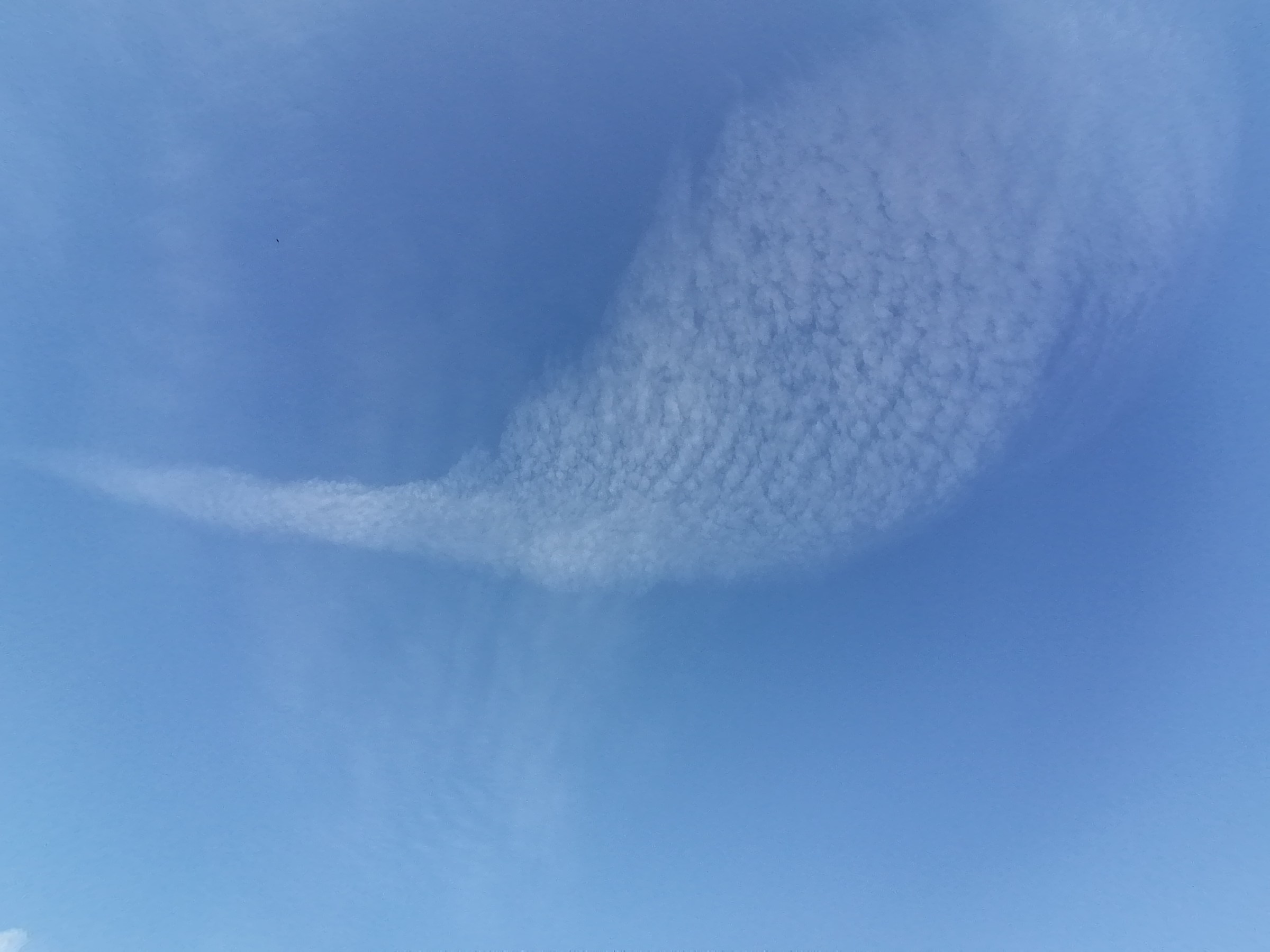
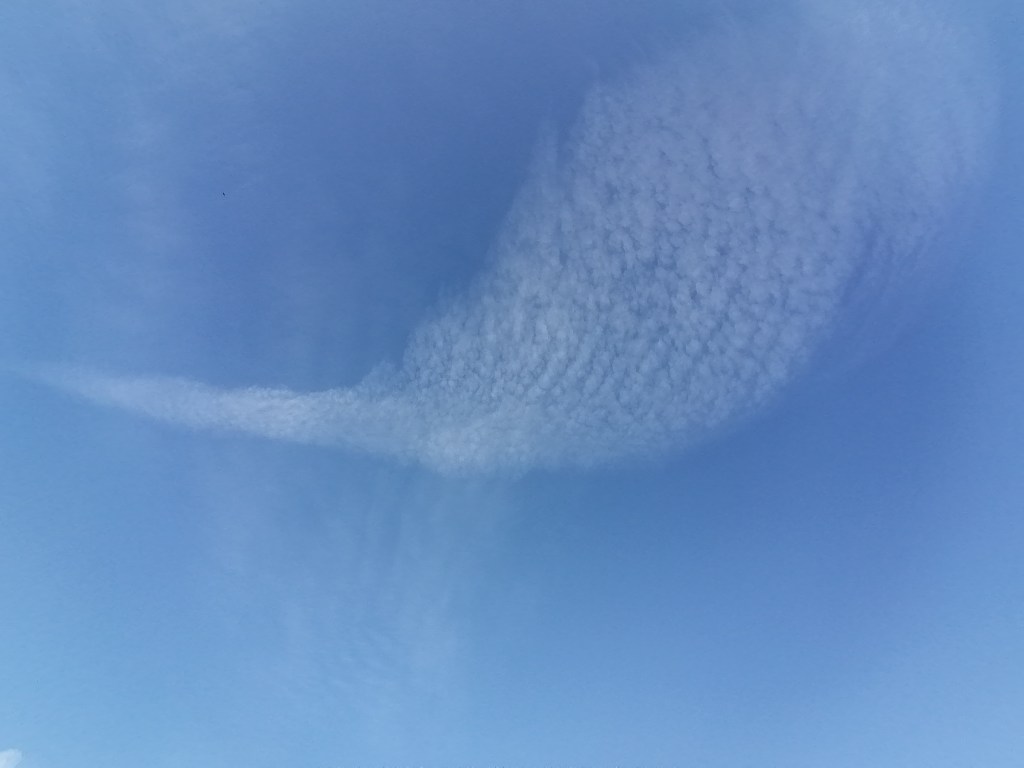
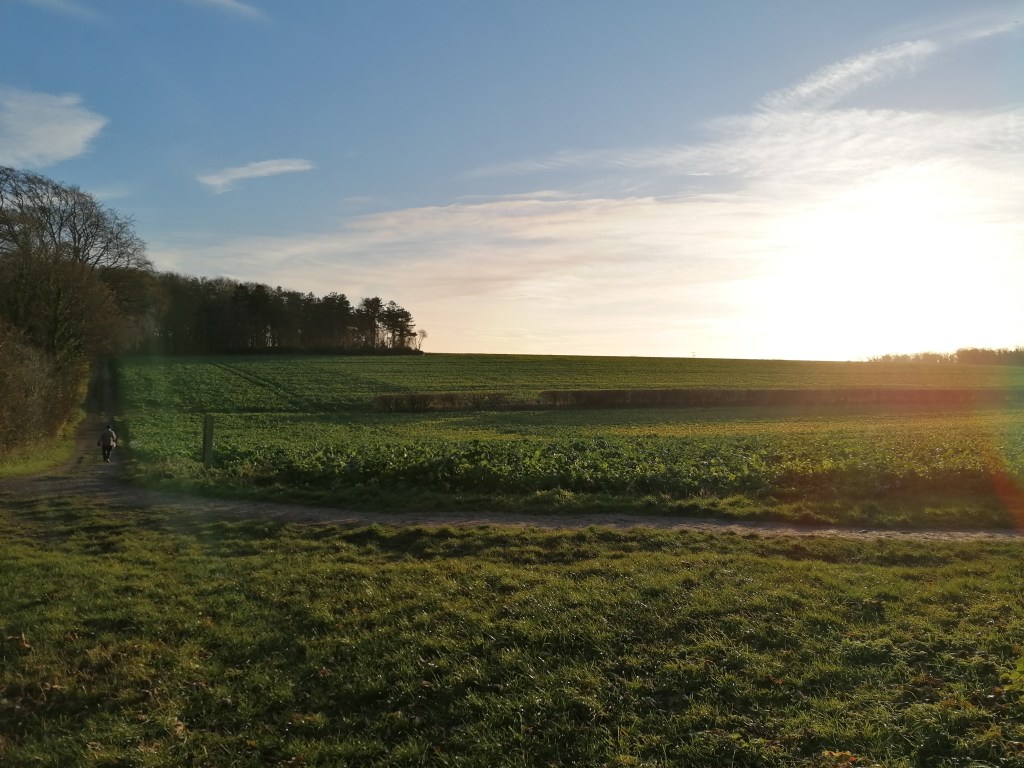
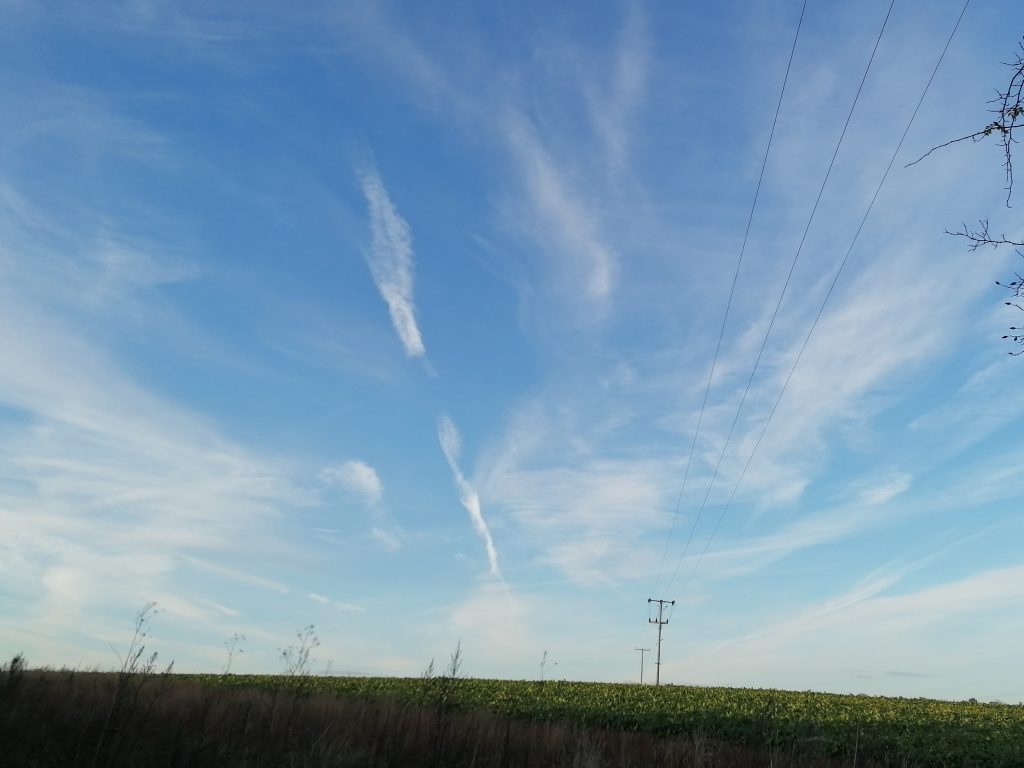
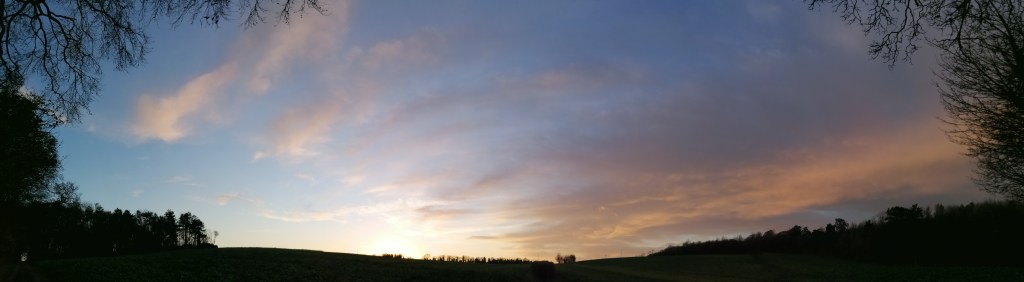
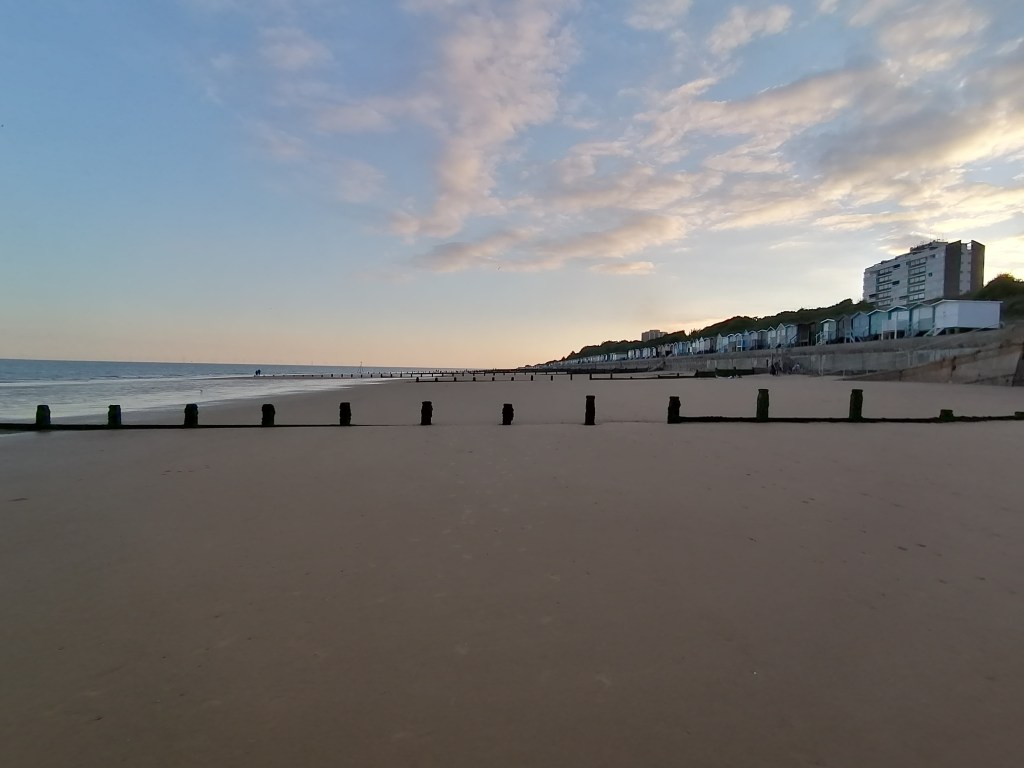
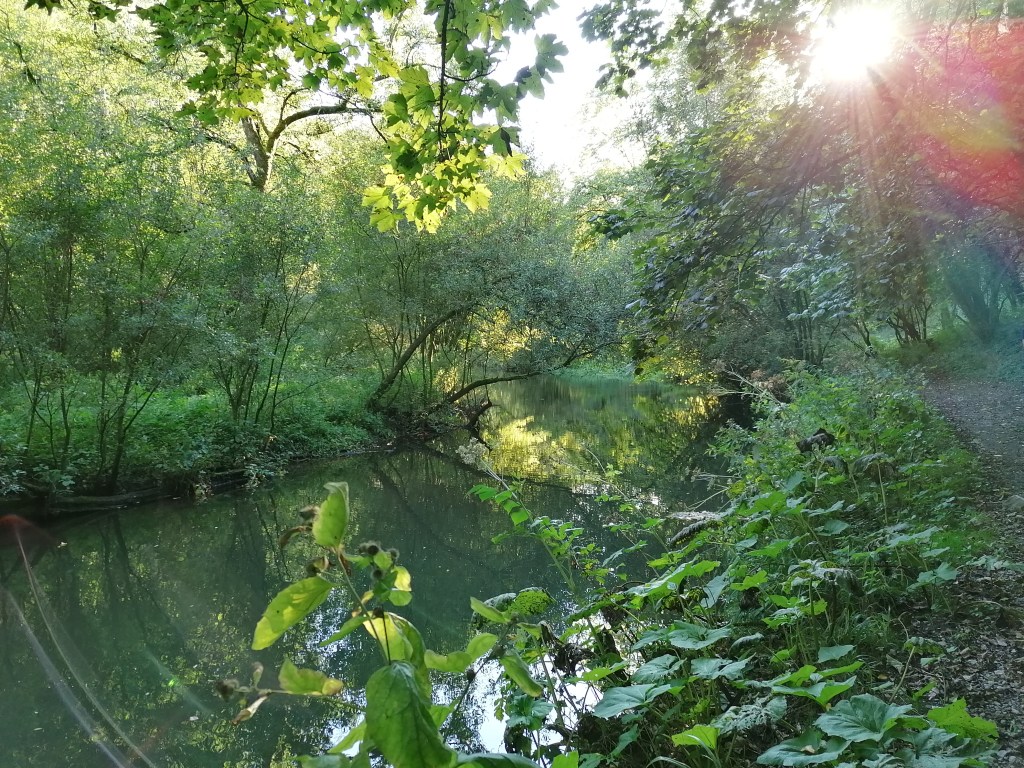
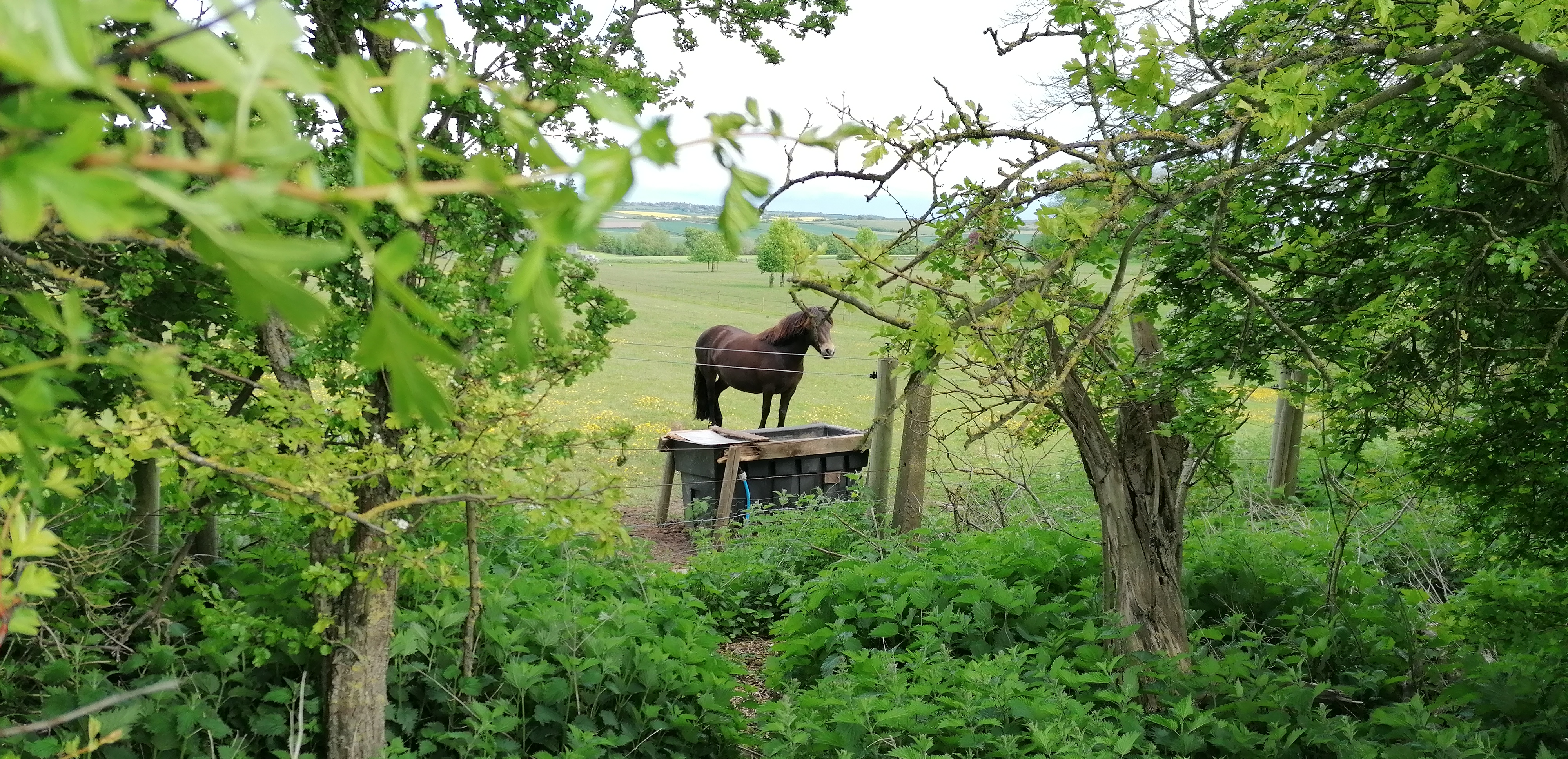
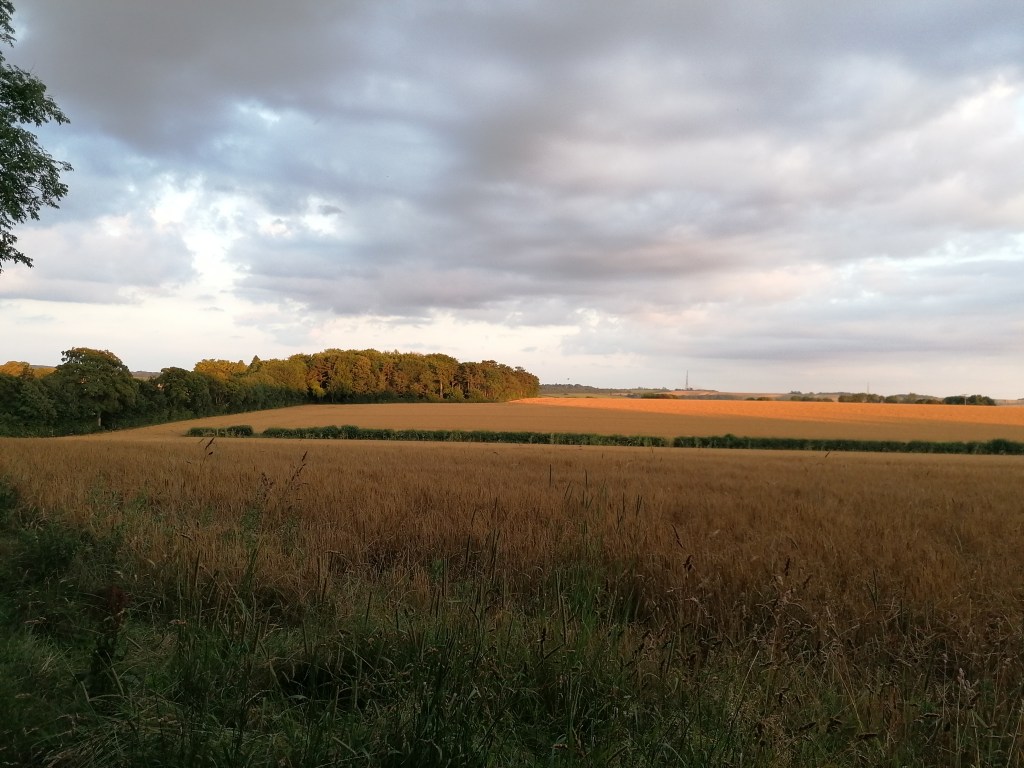
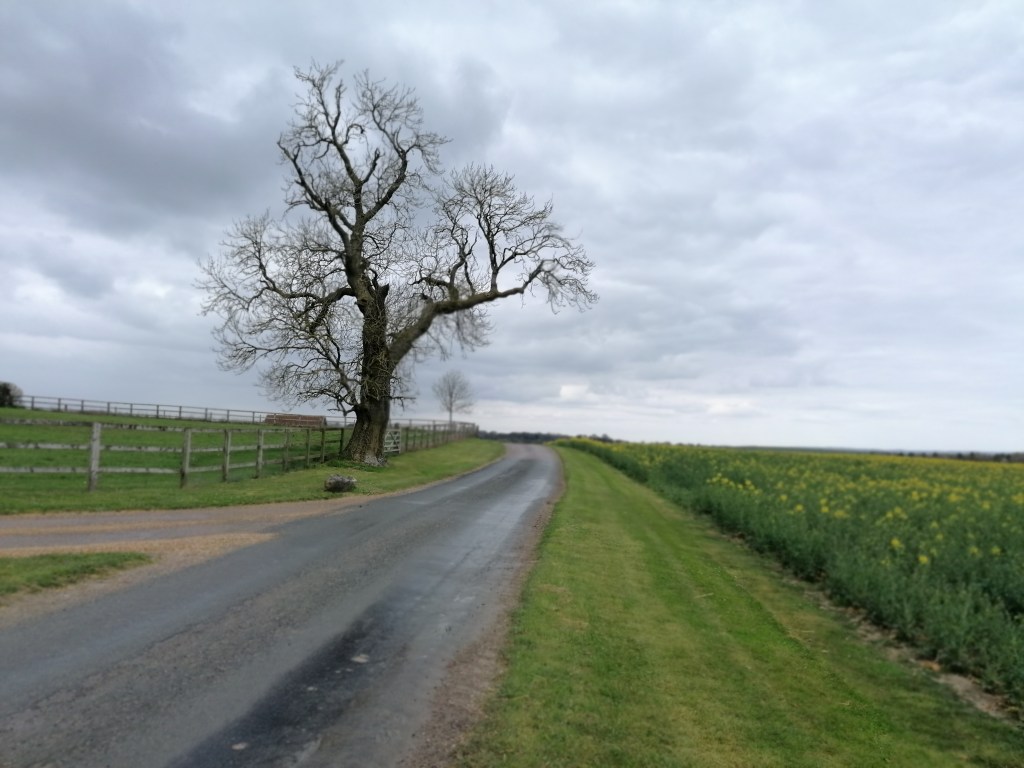
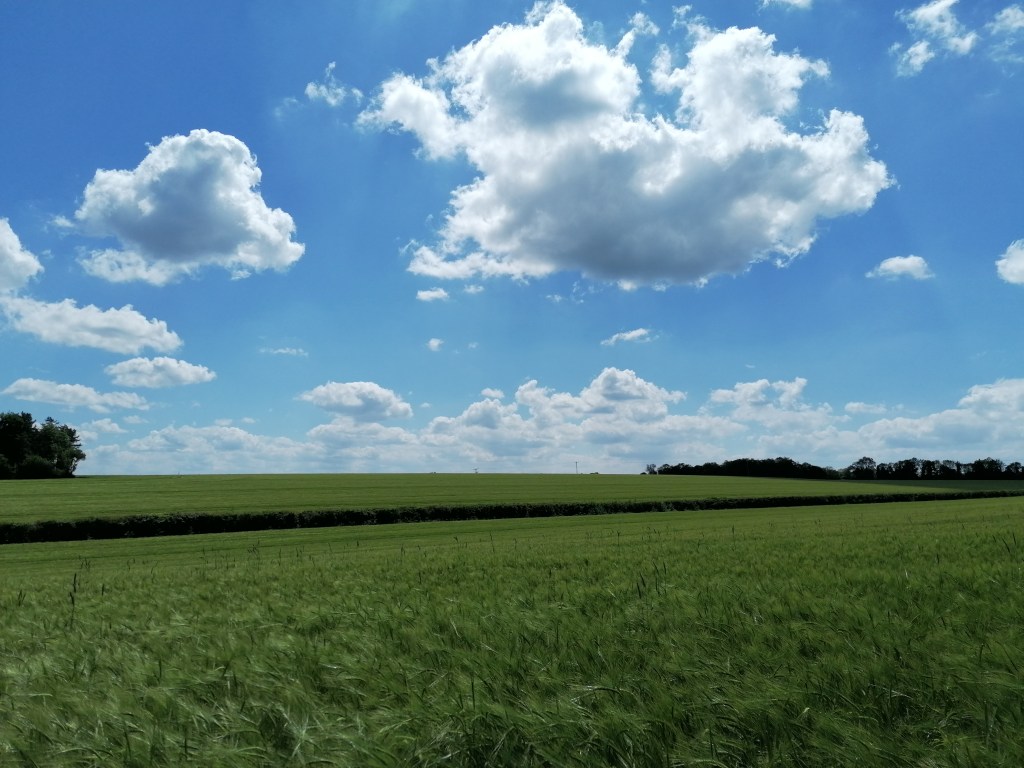
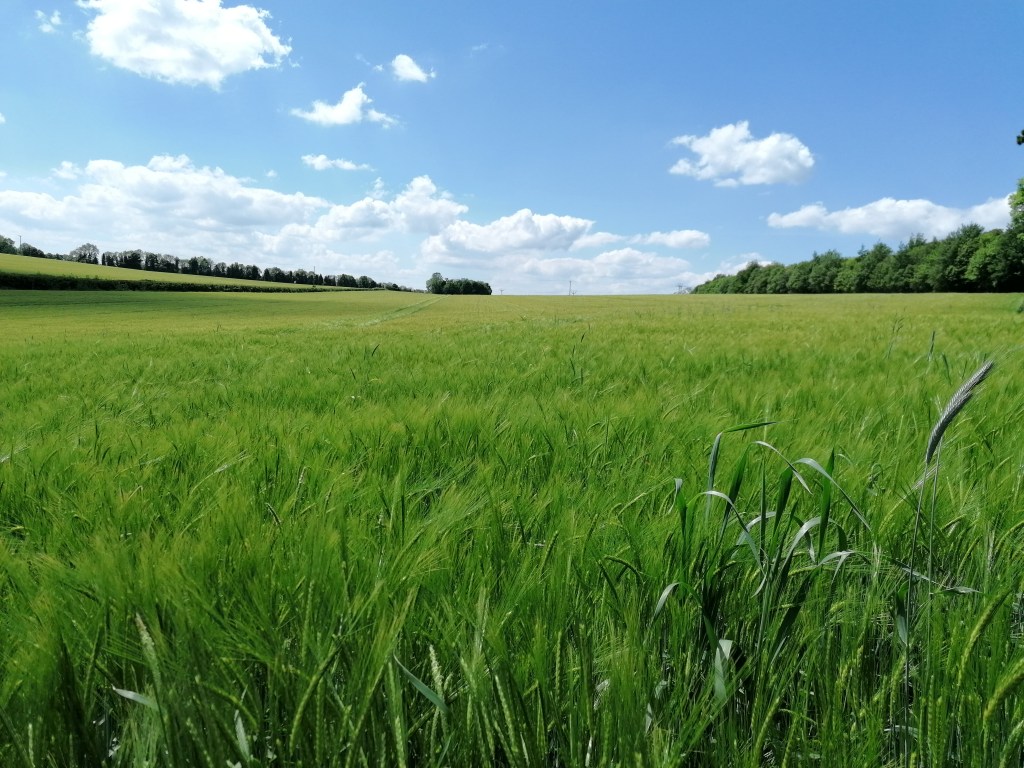
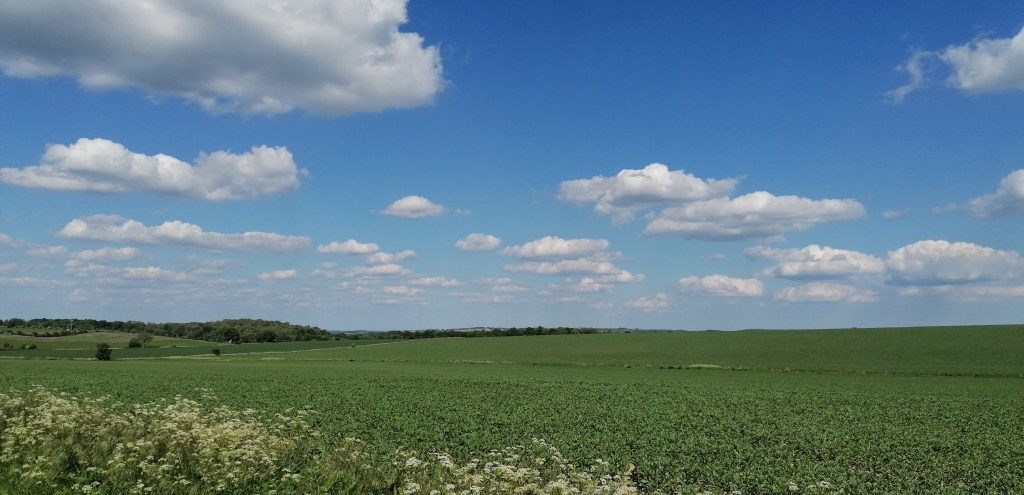
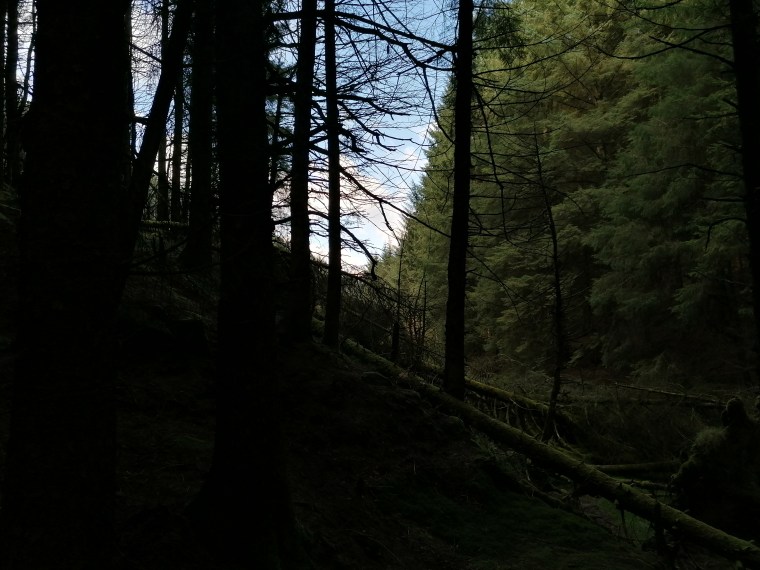
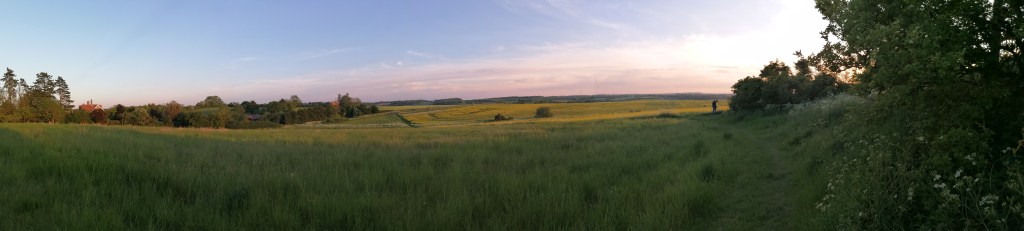
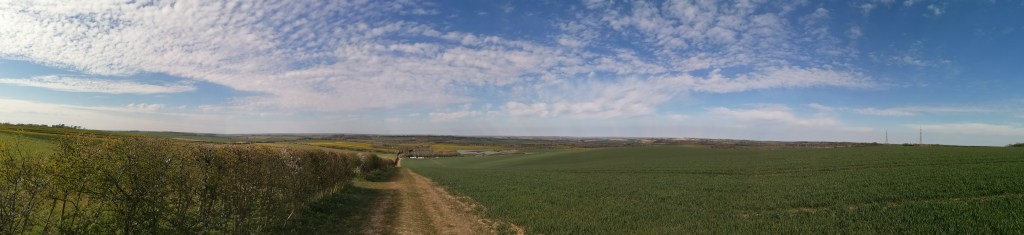
There is a field that I walk around and occasionally I notice a scene of great beauty.


The best time is just before sunset, where the sun plays off the clouds.

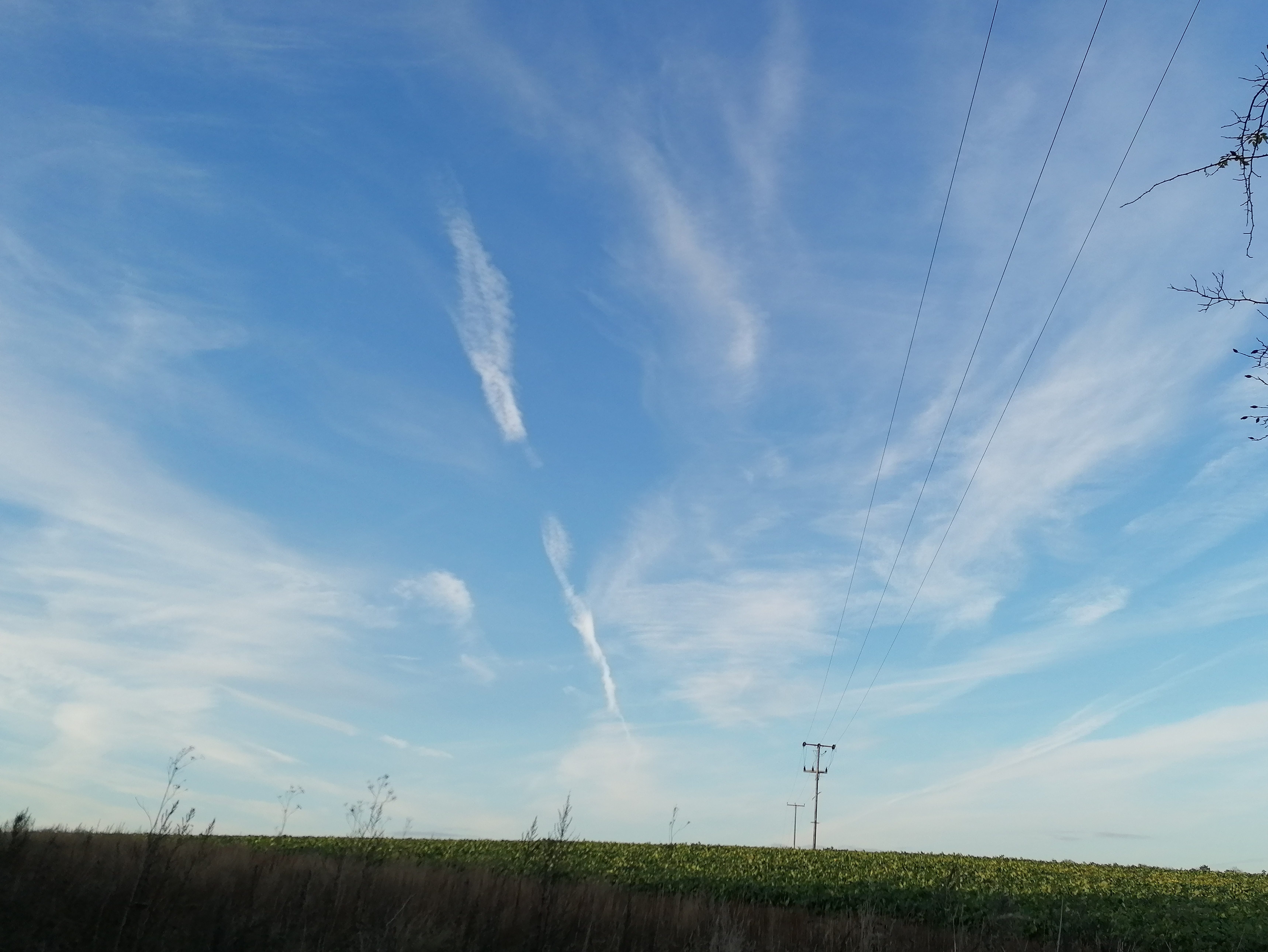
Just by looking around, you will be surprised by the beauty you see around you.


All photos where taken on a phone
By Arran Wilkins © 2021

Clarkson’s Farm is a blast of fresh air compared to The Grand Tour. There was no use of the same old jokes, with the same old set up. As time has gone on The Grand Tour has become more and more predictable and stale. Meanwhile Clarkson’s Farm remind me of the good old days of Top Gear before the trio left, when things where new and unpredictable.1,2
The Grand Tour follows the trio of Jeremy Clarkson, Richard Hammond, and James May racing cars with things going hilariously wrong. Unfortunately, there is only so many times this can work. They seem to have run out of ideas. There are only so many breakdowns, river crossing, and caravans accidents you can make hilarious. 2
Clarkson’s Farm by comparison follows his efforts to run his own farm. Not only is it a good laugh, but also provides for fascinating glimpse into British farming. Exploring multiply issues ranging from harvesting wheat, to fish farming, all on one farm. Clarkson encounters many original mishaps and difficulties along the way, marking a fresh start. 1
There is no reason why The Grand Tour cannot do the same thing. All it has to do is to dich the cars in favour for some other focus: 1,2
Please comment below, if you have any better ideas?
By Arran Wilkins © 2021 (text only)
Have you ever tried to get your head around early modern English history? Yes, I know it is a next to impossible, but with the right material, it can be done.
A blended of do’s and don’ts for cooking, restrain guide, and personal stories from Anthony Bourdain’s time as chief.
It combines a brilliant comedy duo with the story of the Appalachian Trial. I must stress before we go any further, that I would not recommend watching the film
Firstly, maps and diagrams are a simple must for showing where the soldiers were and to whom they were facing.
Arkham County is such a mixed bag, that if someone turned it into a movie, it would be either an instant classic or a stunning flop.
“Emperors of Rome” by Garrett G Fagan covers the history of Roman Emperors, with a brief overview of each Emperor’s rises and fall.
Something went wrong. Please refresh the page and/or try again.
(1) Clarkson, Jeremy (Presenter). Whitehead, Gavin (Director). Clarkson Farm (Expectation Entertainment, Condao Productions, 2021) Amazon Prime Video, Available at: https://www.amazon.co.uk/Clarksons-Farm-Season-1/dp/B095RNXQDY [Accessed on 29th October 2021].
(2) Clarkson, Jeremy. Hammond, Richard. May, James. Stig. Dawe, Jason (Presenters). Top Gear Series 1-22 (BBC, 2002-15) BBC IPlayer, Available at: https://www.bbc.co.uk/iplayer/episodes/b006mj59/top-gear?seriesId=p03jvn83 [Accessed on 29th October 2021].
Clarkson, Jeremy. Hammond, Richard. And May, James (Presenters). Wilman, Andyetal (Producer). Churchward, Phil (Director) The Grand Tour (Amazon Studios, 2017-21) Amazon Prime Video, Available at: https://www.amazon.co.uk/The-Grand-Tour-Season-1/dp/B01J93ZB6Q [Accessed on 29th October 2021].
(3) Booking.com, Find deals on hotels, homes, and much more… Available at: https://www.booking.com/ [Accessed on 29th October 2021].
(Image) makunin. Pixabay. Pixabay License. Available at: https://pixabay.com/photos/desert-sand-rally-dunes-landscape-123978/ [Accessed 4th August 2021].




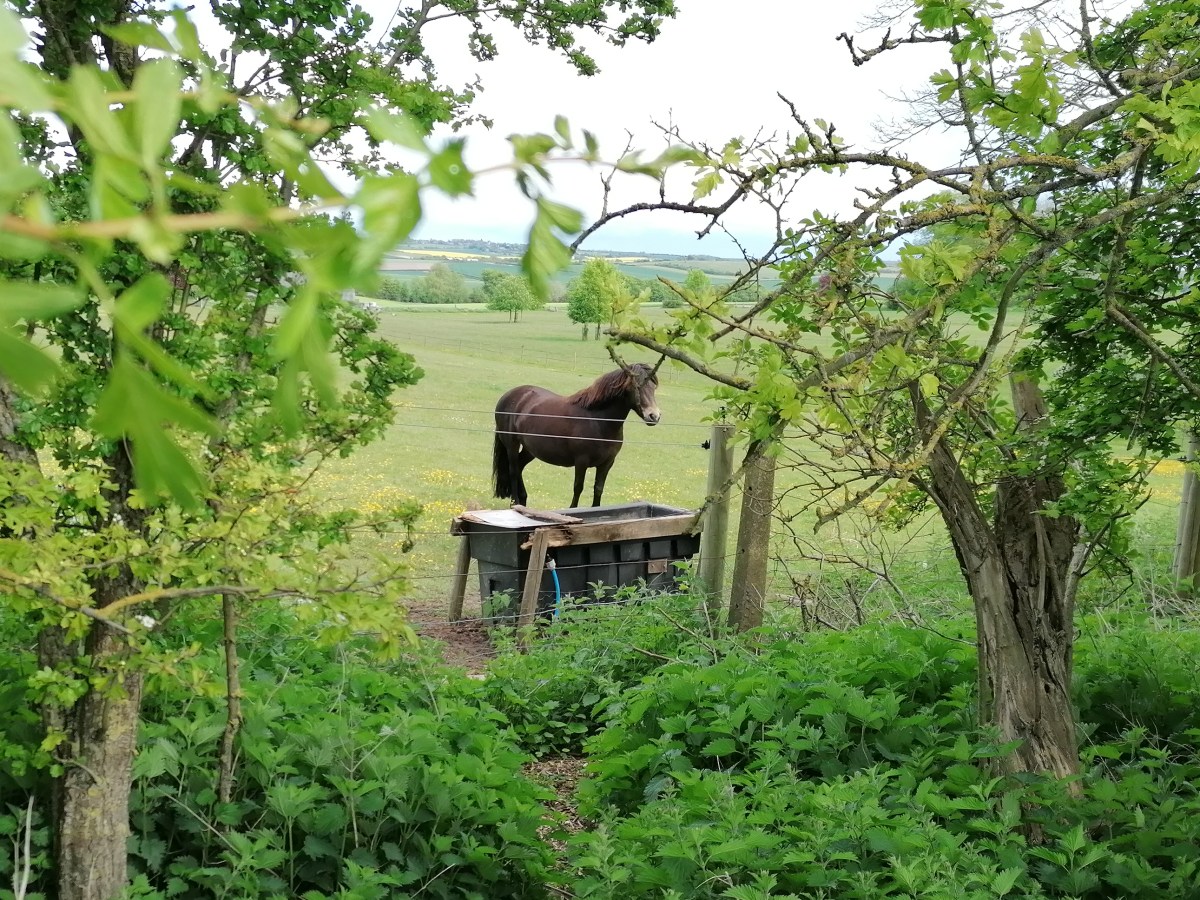



















 A.W. Book Reviews